-

Who Owns Your Digital Life When a Platform Disappears?
Your files may belong to you. Your ability to access them may depend on someone else. Imagine opening the app where you have stored years of work. Instead of your documents, you see a shutdown notice. Or a message saying your account has been suspended. Your folders, photographs, contracts, and conversations are suddenly out…
-
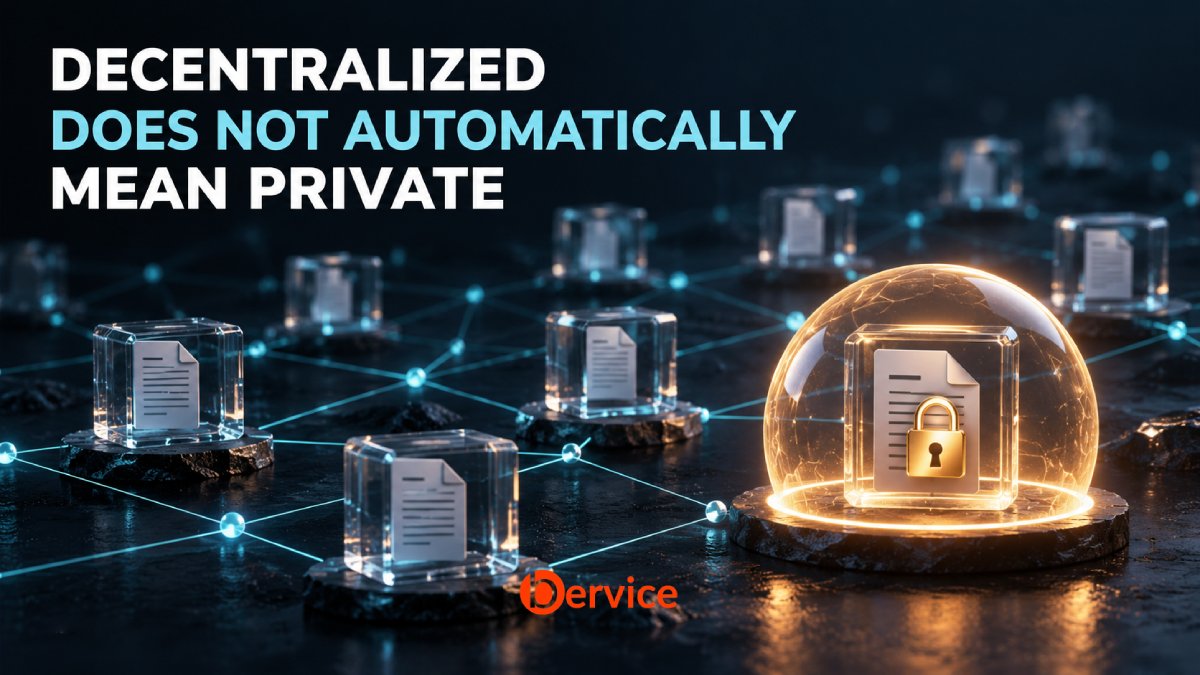
Decentralized Does Not Automatically Mean Private
Distributing data changes where it lives. Protecting privacy requires deliberate decisions about who can read it, what others can observe, and how access is controlled. A company uploads a confidential contract to a decentralized storage network. The file is distributed across independent infrastructure. It no longer depends entirely on one server or one storage…
-
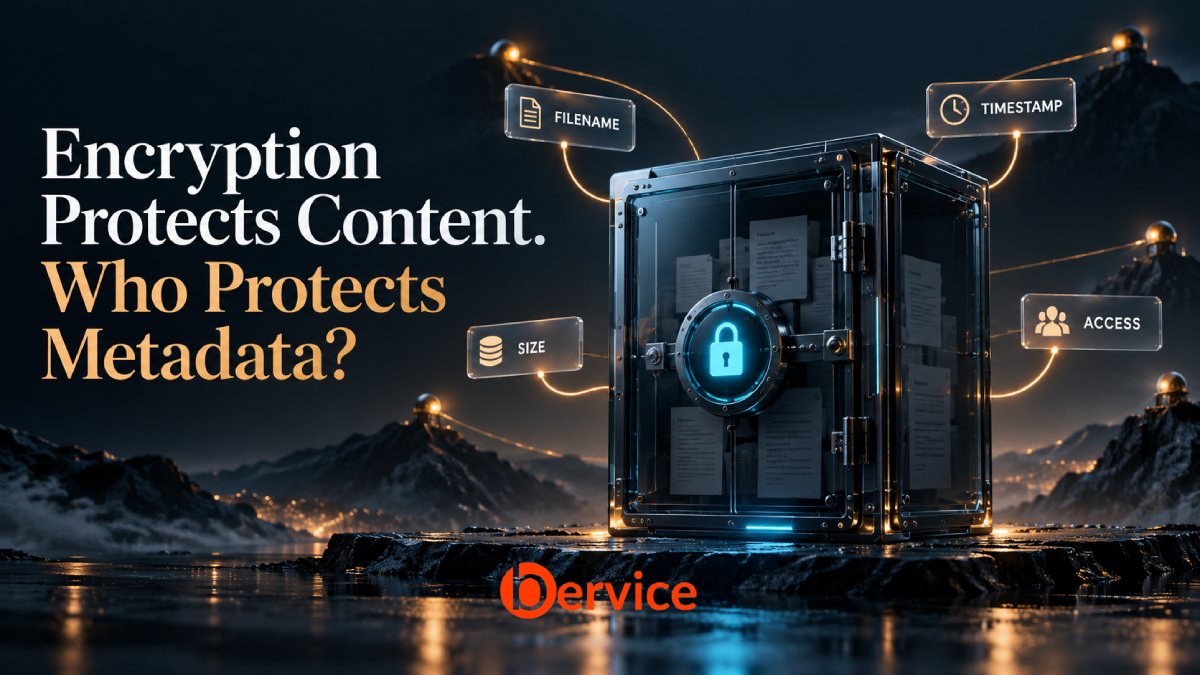
Encryption Protects Content. Who Protects Metadata?
An encrypted file can hide its contents while still revealing clues about your work, relationships, and decisions. Privacy depends on what surrounds the file as well as what is inside it. Imagine a company preparing for a confidential acquisition. Its financial documents are encrypted. Access is restricted. The decryption keys remain with authorized users.…
-

Your Company’s Next Data Leak Could Start with a Helpful AI
An employee uploads a confidential contract to get a quick summary. The answer arrives in seconds. Understanding where the information went may take much longer. A supplier contract lands in an employee’s inbox shortly before a meeting. It is long, technical, and full of clauses that need explaining. The employee opens an AI assistant,…
-
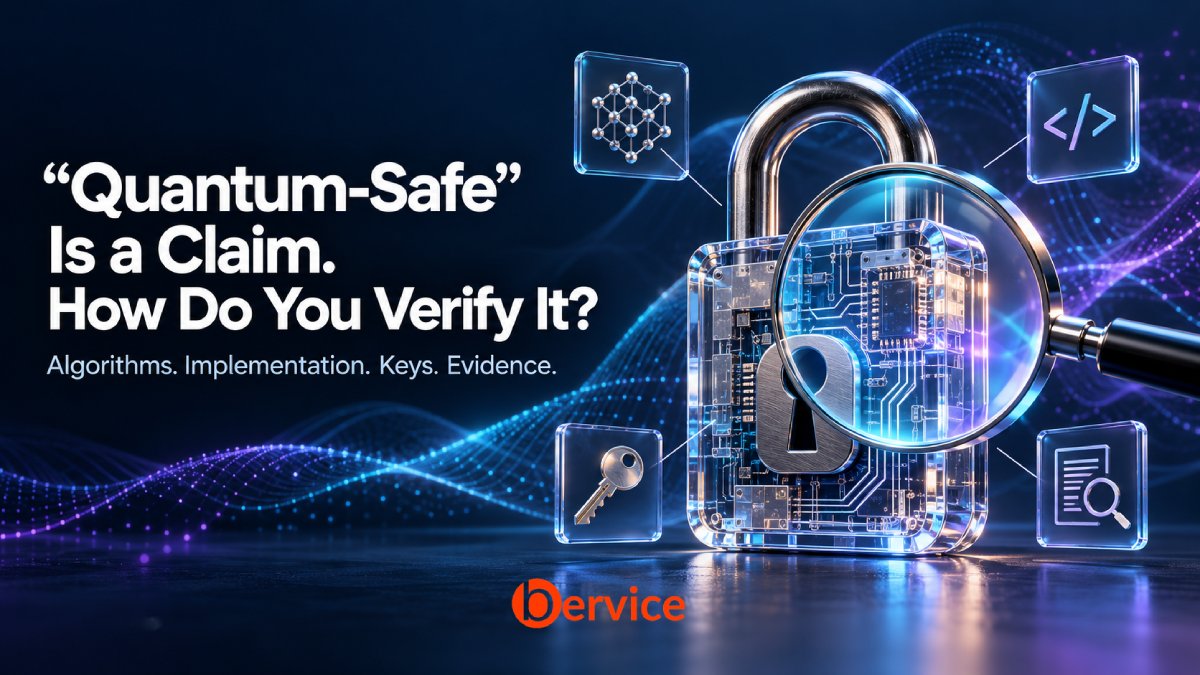
Quantum-Safe Is a Claim. How Do You Verify It?
The algorithm matters. So do the implementation, the keys, and the evidence behind the promise. A file-storage platform promises “quantum-safe encryption.” A messaging service advertises “post-quantum protection.” A security vendor describes its infrastructure as “ready for the quantum era.” These phrases sound reassuring. But what, exactly, do they establish? Does the protection cover stored…