-
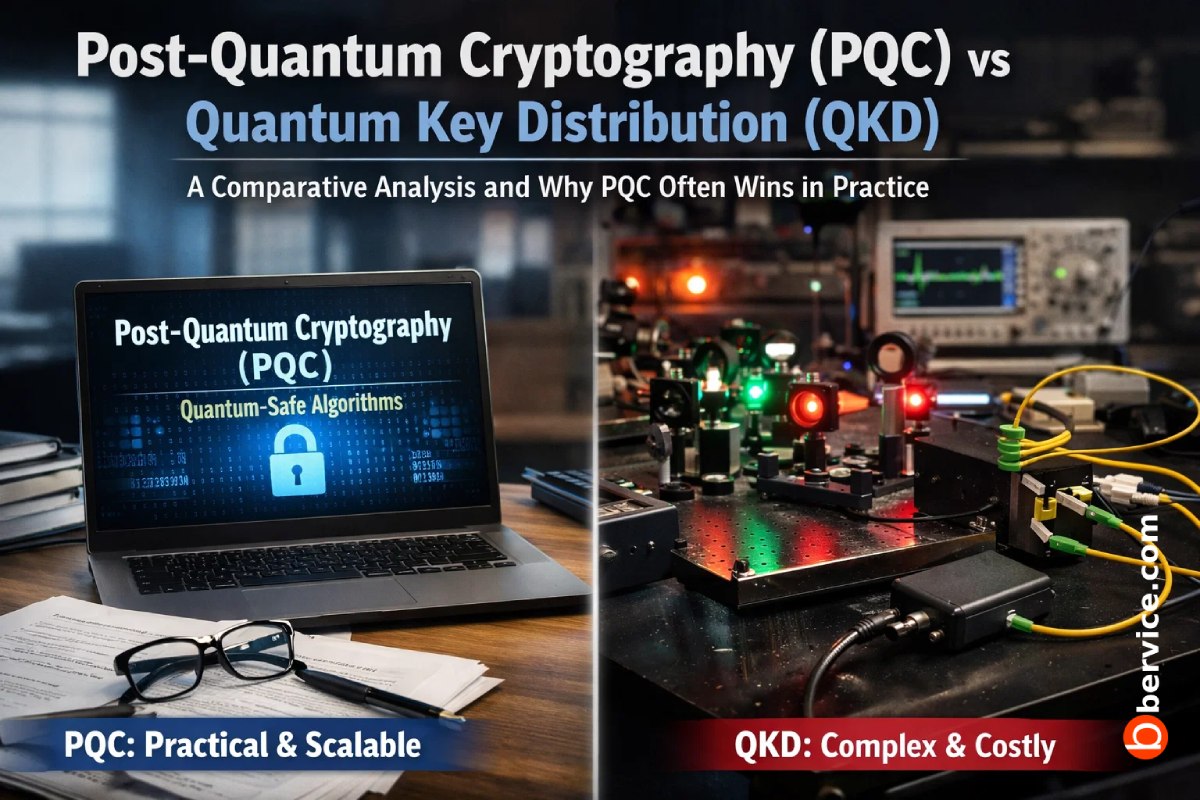
Post-Quantum Cryptography (PQC) vs Quantum Key Distribution (QKD) A Comparative Analysis and Why PQC Often Wins in Practice
1. Introduction: The Quantum Threat to Modern Cryptography Modern digital security relies heavily on cryptographic systems such as RSA and ECC. These systems are considered secure today but are fundamentally vulnerable to future quantum computers due to algorithms like Shor’s algorithm, which can efficiently break them. To address this existential threat, two primary paradigms…
-

Local AI as the Most Secure Path to Trust for Companies Especially Startups
In an era where data is the most valuable asset a company holds, trust has become the defining currency of modern business. For startups in particular, this trust is fragile. A single data breach, a misused API, or an unclear data policy can permanently damage credibility. Against this backdrop, local artificial intelligence (local AI)…
-
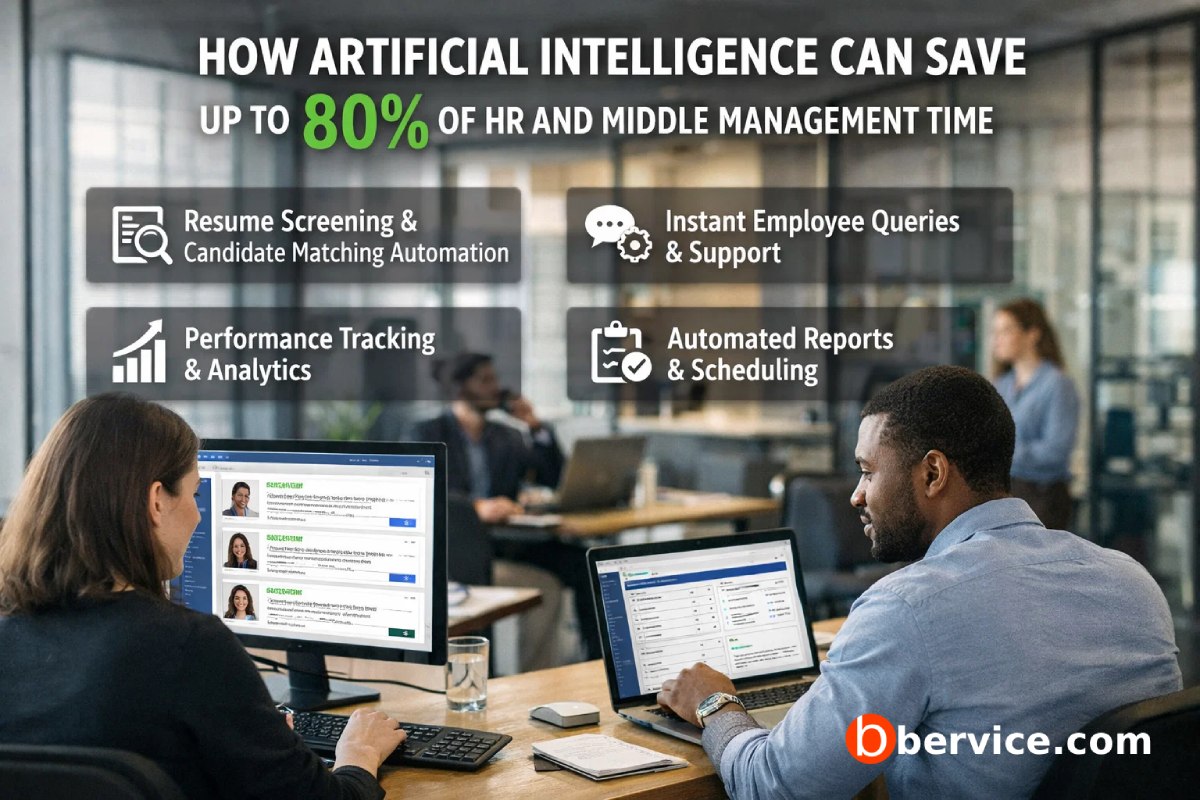
How Artificial Intelligence Can Save Up to 80% of HR and Middle Management Time
Introduction Organizations today are under constant pressure to operate faster, leaner, and more efficiently while still maintaining high-quality decision-making and employee experience. Human Resources teams and middle managers often sit at the center of this tension. They are responsible for coordination, evaluation, communication, and execution, yet much of their time is consumed by repetitive,…
-
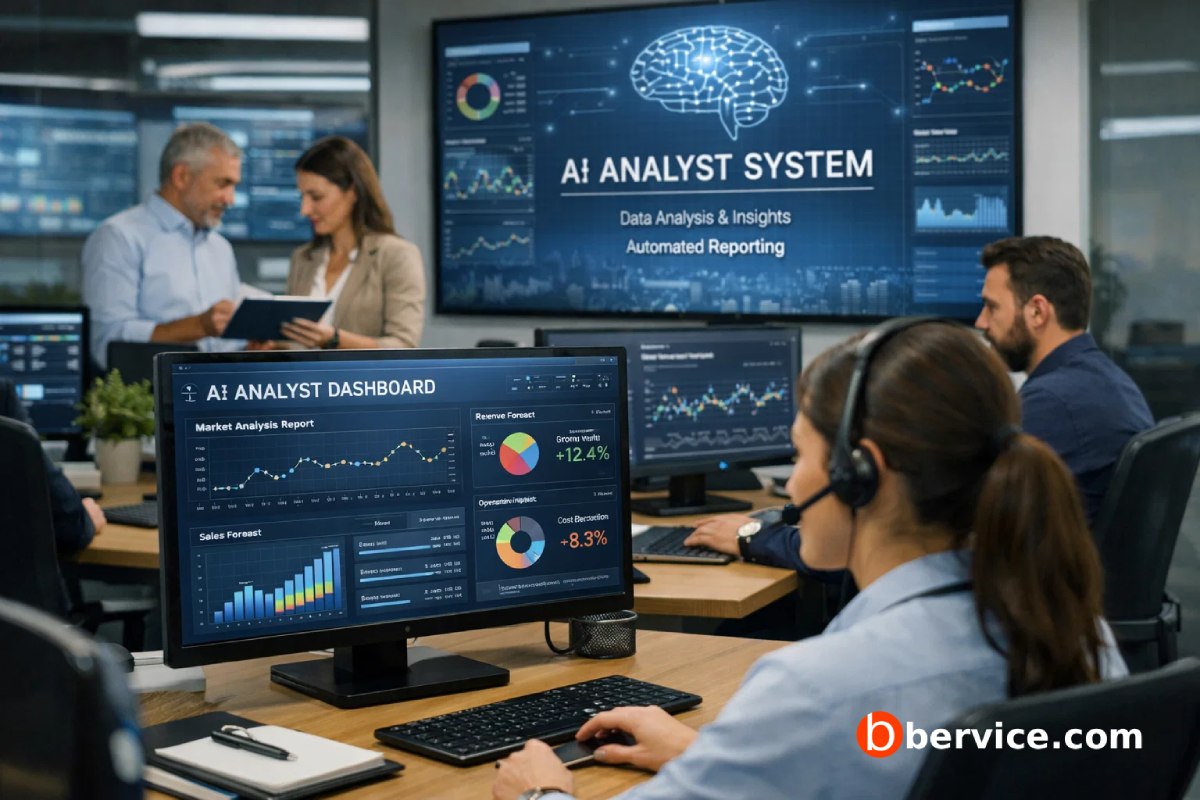
The Rise of Internal AI Analyst Systems: A New Era for Companies
1. A New Kind of Product is Emerging Companies are on the edge of encountering a fundamentally different type of product, not another SaaS dashboard or analytics tool, but an internal analytical brain. This system is powered by locally trained artificial intelligence and operates directly inside the organization’s infrastructure. Instead of relying on external…
-
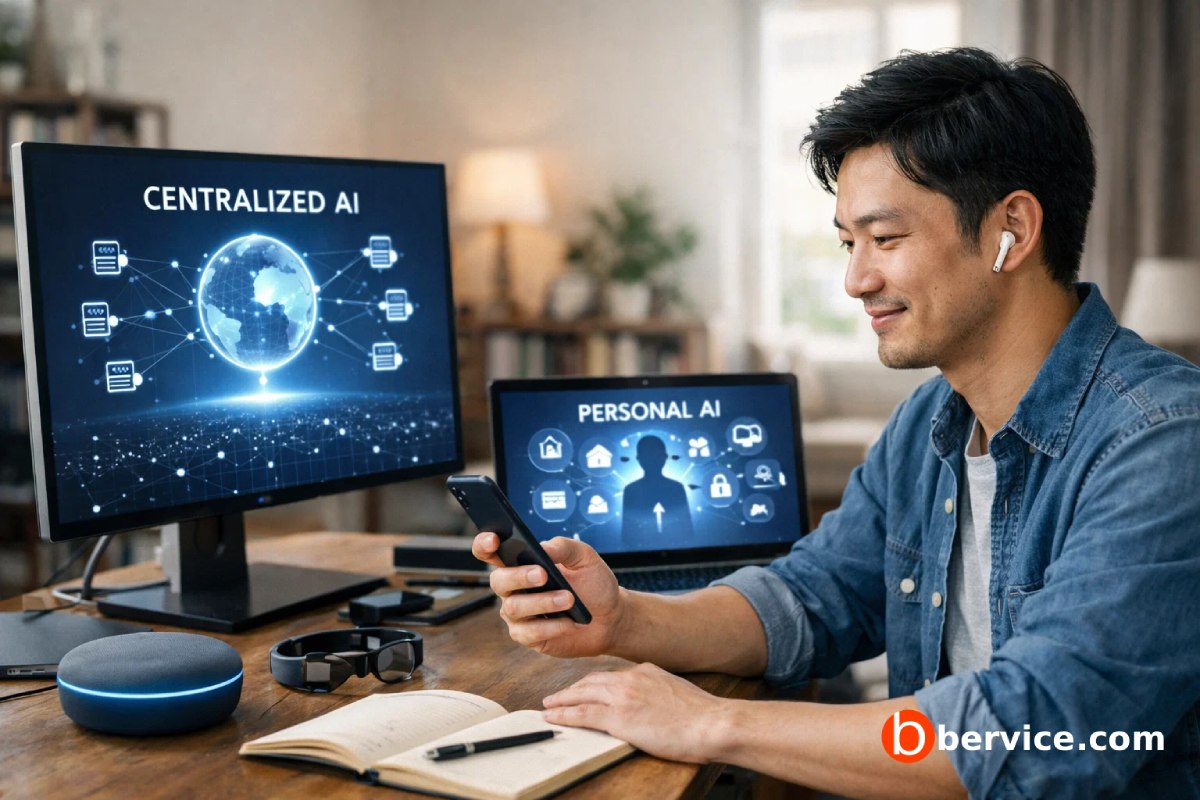
The Shift from Centralized AI to Personal AI: Why the Landscape Is Changing
Introduction: A Structural Transition, Not a Trend Artificial intelligence is not disappearing from the cloud, but its center of gravity is shifting. What we are observing is not the decline of online AI systems, but a redistribution of where intelligence lives and how it is accessed. Increasingly, AI is moving from centralized, company-controlled infrastructure…