-

Quantum-Safe API Architecture Designing APIs Resistant to Quantum Computing Threats
Introduction: Why Quantum-Safe APIs Matter The rapid progress of quantum computing represents a structural threat to today’s digital security. Most modern APIs rely directly or indirectly on classical public-key cryptography such as RSA and Elliptic Curve Cryptography (ECC). These systems are secure against classical computers but become fundamentally vulnerable once sufficiently powerful quantum computers…
-
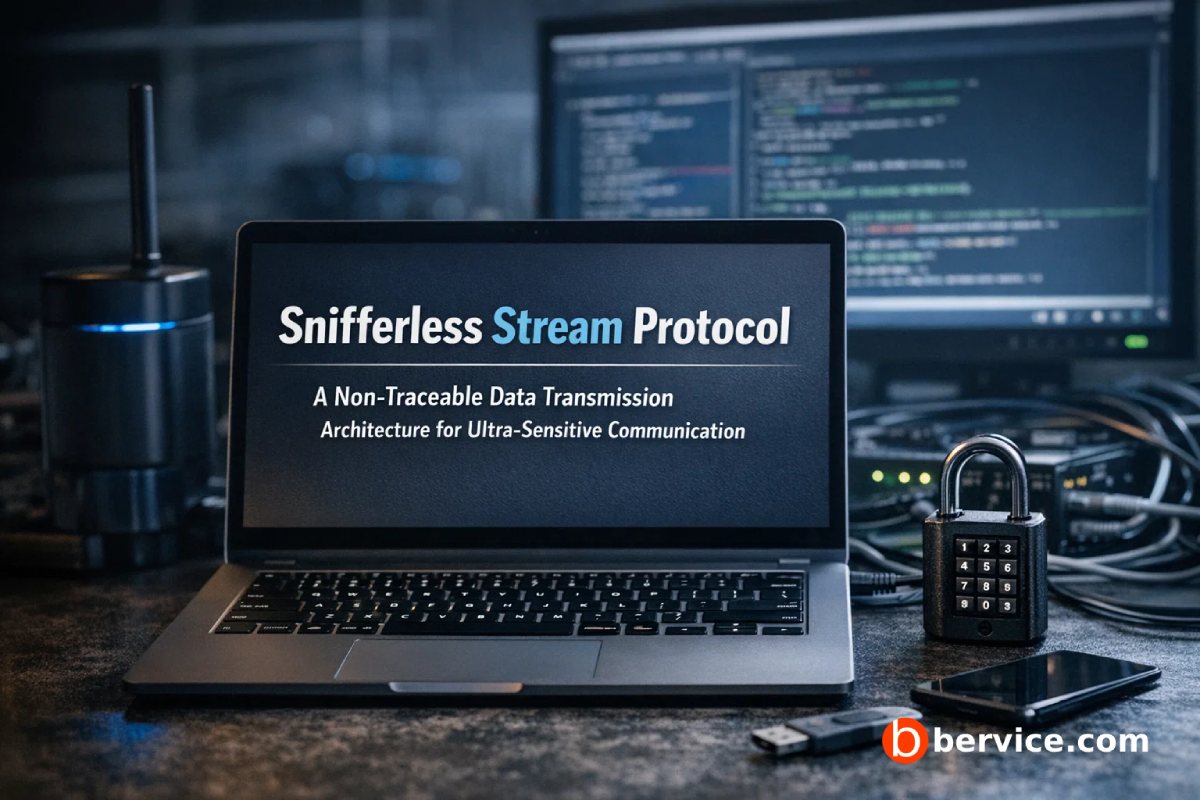
Snifferless Stream Protocol A Non-Traceable Data Transmission Architecture for Ultra-Sensitive Communication
In a world where deep packet inspection (DPI), traffic fingerprinting, and behavioral analytics continuously evolve, traditional encryption is no longer sufficient to guarantee operational secrecy. Encryption protects content but it does not necessarily conceal metadata, structure, or transmission patterns. The Snifferless Stream Protocol introduces a different paradigm: not merely encrypting data, but eliminating recognizable…
-
Ghost Code Processes That No Longer Exist Yet Still Run
Introduction In operating systems, death is not always final. A process may terminate its execution, release most of its resources, and yet continue to “exist” in a suspended, ghost-like state. These so-called zombie processes are not active in the traditional sense they do not consume CPU cycles or execute instructions but they remain recorded…
-
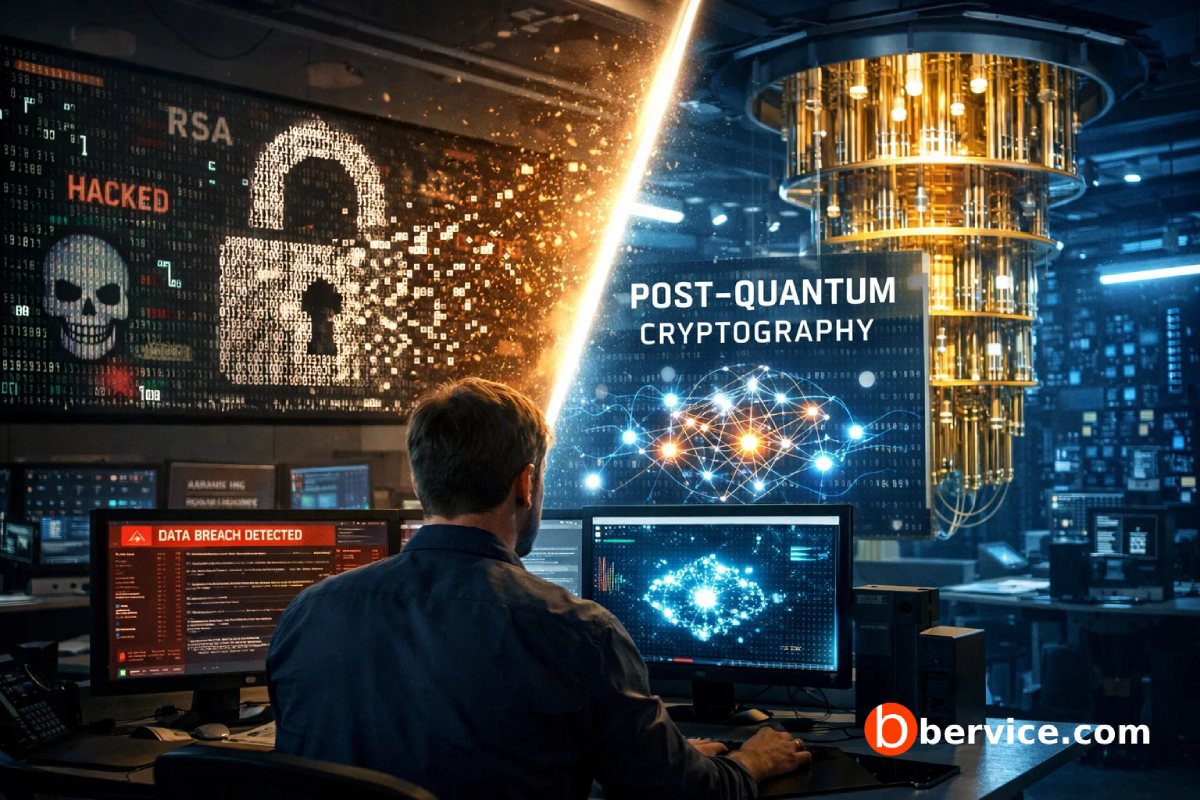
A Major Transformation in Cybersecurity Post Quantum Cryptography
Introduction The rapid advancement of quantum computing is reshaping the landscape of cybersecurity. While large-scale, fault-tolerant quantum computers are not yet widely available, their eventual emergence poses a serious threat to many of today’s cryptographic systems. Algorithms such as RSA, ECC, and Diffie–Hellman, which underpin global digital security, are vulnerable to quantum attacks most…
-
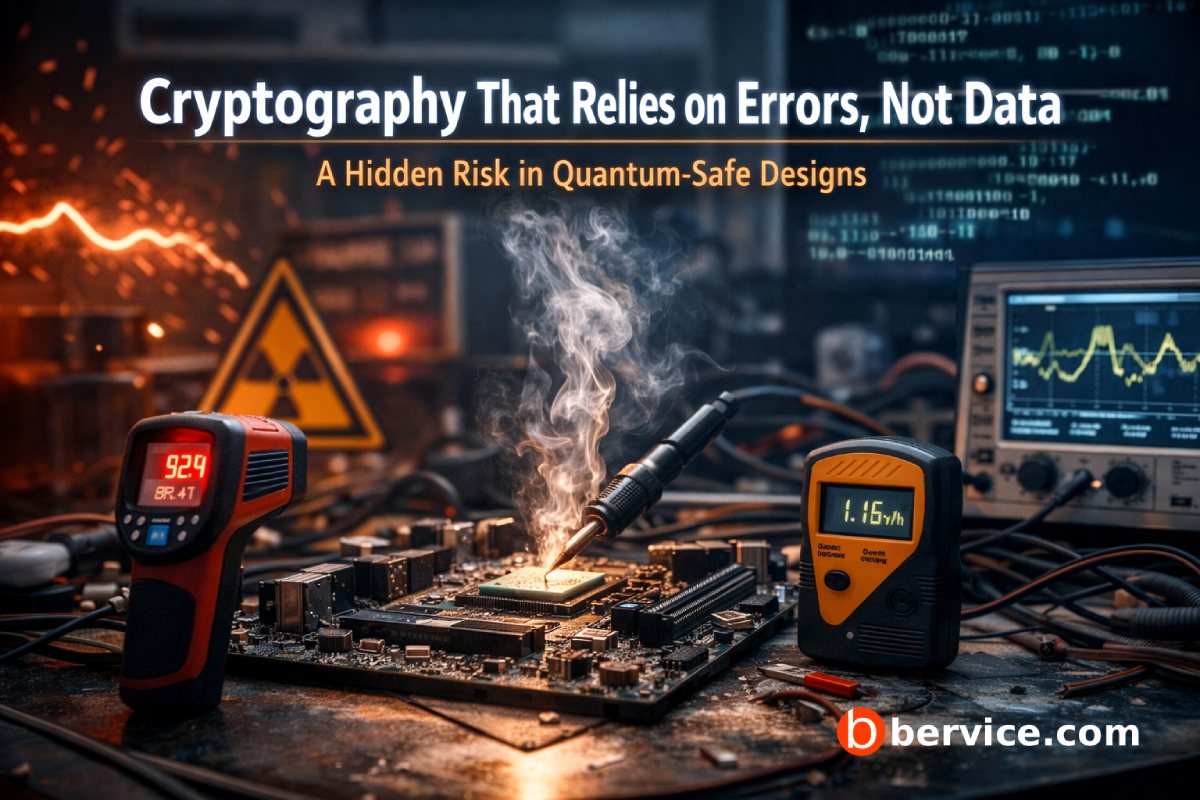
Cryptography That Relies on Errors, Not Data
A Hidden Risk in Quantum-Safe Designs As the cryptographic world prepares for the post-quantum era, much of the focus has shifted toward algorithms believed to be resistant to quantum attacks. Among the most prominent of these are noise-based constructions, particularly lattice-based cryptography. These systems promise security not from secrecy of data, but from mathematical…