-
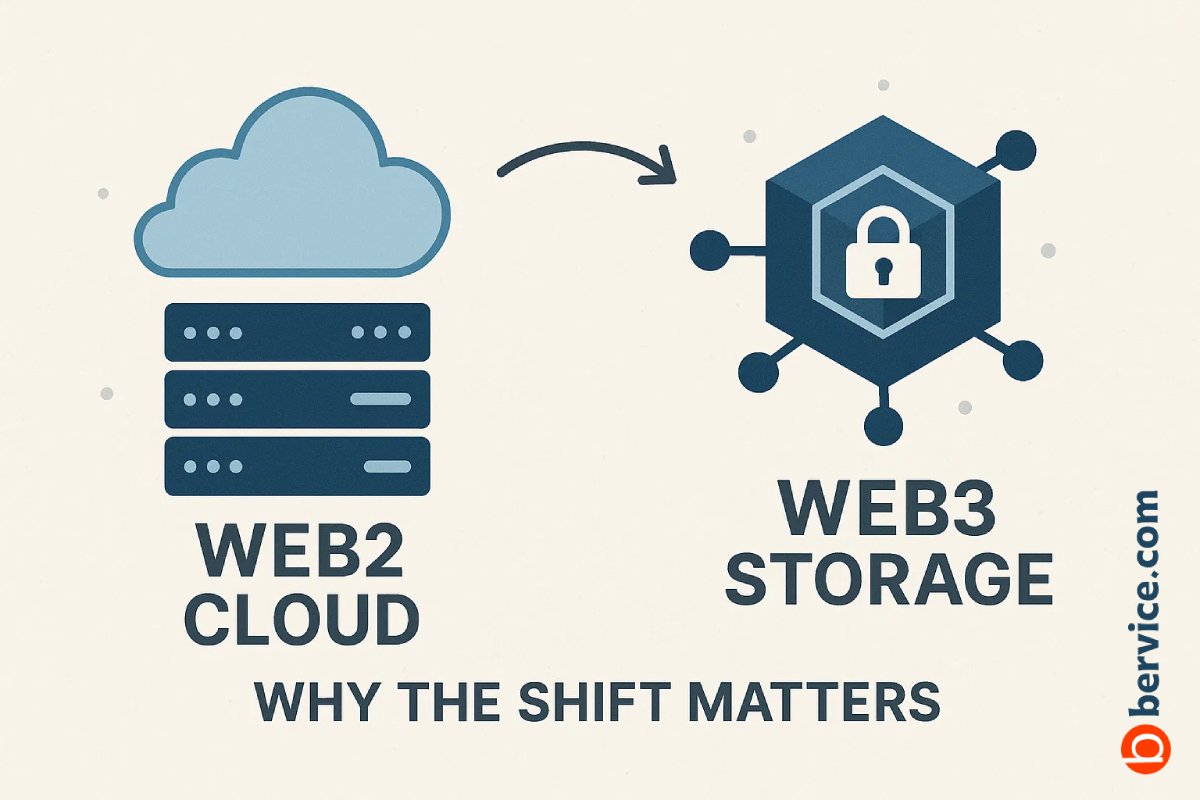
From Web2 Cloud to Web3 Storage: Why the Shift Matters
Introduction: A Paradigm Shift in Data Ownership For more than a decade, cloud storage providers like Google Drive, Dropbox, and AWS have dominated the digital landscape, making file management seamless and scalable. However, this dominance comes at a cost: users often give up control over their data in exchange for convenience. In contrast, Web3…
-
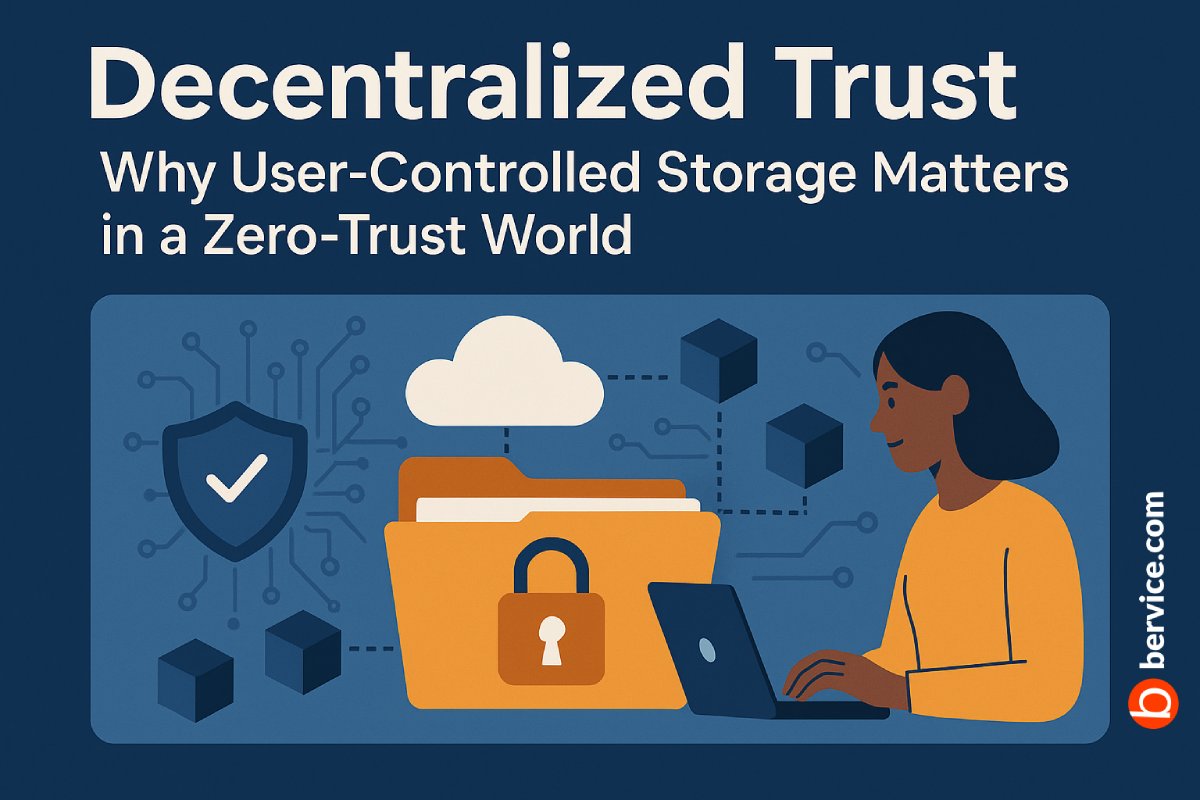
Decentralized Trust: Why User-Controlled Storage Matters in a Zero-Trust World
Introduction: The End of Implicit Trust The digital world is undergoing a fundamental shift in how security is perceived. For decades, centralized platforms have acted as guardians of data, requiring users to place blind trust in corporate servers and opaque security models. However, repeated data breaches, surveillance scandals, and the looming threat of quantum…
-

Quantum-Safe Storage: Preparing for the Post-Quantum Internet Era
Introduction: The Coming Quantum Threat The digital world as we know it is secured by cryptography algorithms like RSA and elliptic curve cryptography (ECC) that protect our files, passwords, and financial transactions. But with the rise of quantum computing, these once-unbreakable systems are nearing obsolescence. A sufficiently powerful quantum computer could crack traditional encryption…
-

From Hack to Hardened: Learning from Web3 Security Breaches
Introduction: The Fragile State of Web3 Security The rapid growth of Web3 has introduced groundbreaking opportunities for decentralization, transparency, and user empowerment. Yet with this progress comes a darker reality: security breaches remain one of the most critical threats to adoption and trust. From exchange hacks to smart contract exploits, billions of dollars have…
-

Decentralized Vaults: Why the Future of Password & File Storage Must Be Trustless
Introduction: The End of Blind Trust In today’s digital economy, the majority of sensitive data—whether personal passwords or corporate files—resides on centralized servers controlled by large providers. While these systems are convenient, they rely on a fragile assumption: that users can and should trust the organizations storing their most valuable information. From high-profile data…