-

Why Grover and Shor Didn’t “Change Everything” Yet
Realities, limitations, and common misconceptions about quantum algorithms Introduction Grover’s search algorithm and Shor’s factoring algorithm are often presented as the two “killer apps” of quantum computing. They are elegant, mathematically powerful, and genuinely important milestones in the history of computation. Yet many people notice something confusing: decades after these algorithms were discovered, the…
-
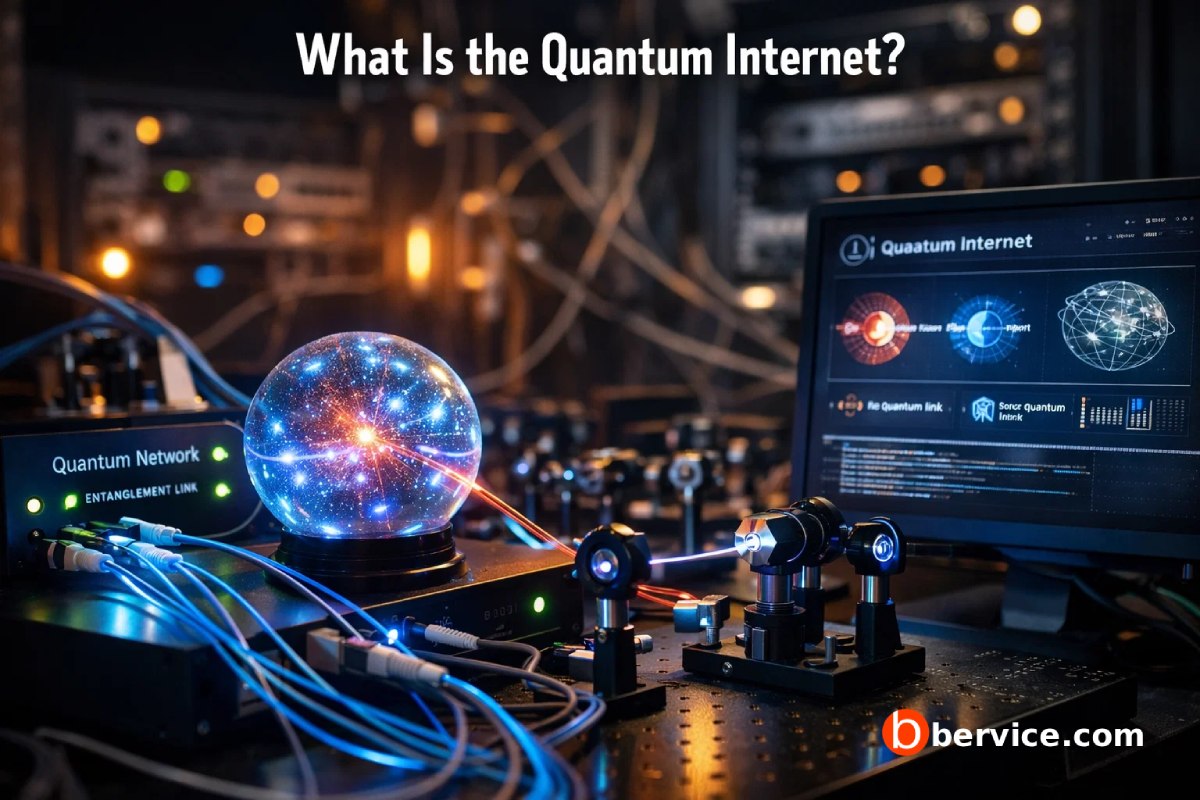
What Is the Quantum Internet?
The Quantum Internet is a next generation communication network that uses the laws of quantum physics to transmit information in fundamentally new ways. Unlike the classical internet, which sends bits as 0s and 1s, the quantum internet relies on quantum bits or qubits, which can exist in superposition and can be linked through quantum…
-
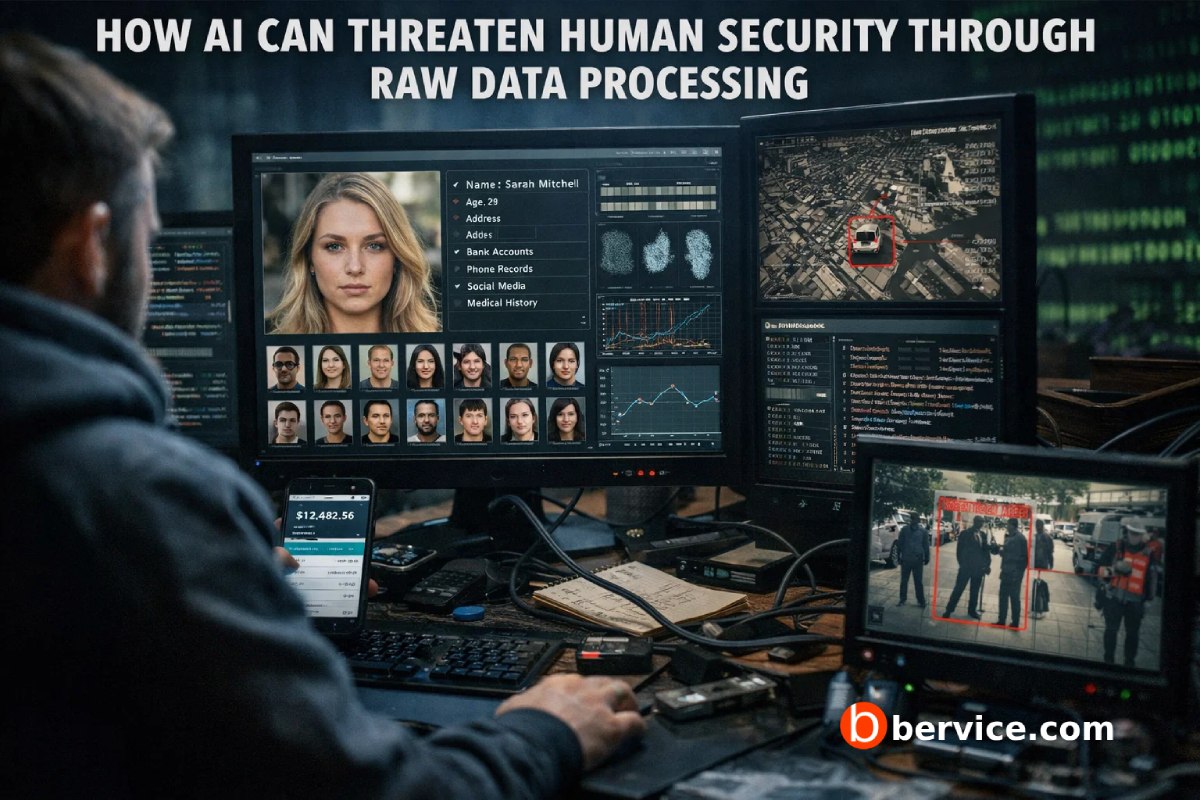
How Artificial Intelligence Can Threaten Human Security Through Raw Data Processing
And Why Local AI Is Becoming Critically Important Introduction Artificial Intelligence is increasingly powered not by curated knowledge, but by vast volumes of raw data. Logs, sensor outputs, biometric traces, communications, behavioral patterns, and environmental signals are continuously collected and processed at unprecedented scale. While this capability enables innovation, it also introduces a new…
-

Why Everyone Must Improve Their Knowledge of Data and Cyber Security in the Digital Age
Introduction: Security Is No Longer Optional The digital age has transformed how people work, communicate, learn, and manage their personal lives. Nearly every aspect of modern life now depends on digital systems, online platforms, and connected devices. As a result, personal data has become one of the most valuable assets in the world. Despite…
-
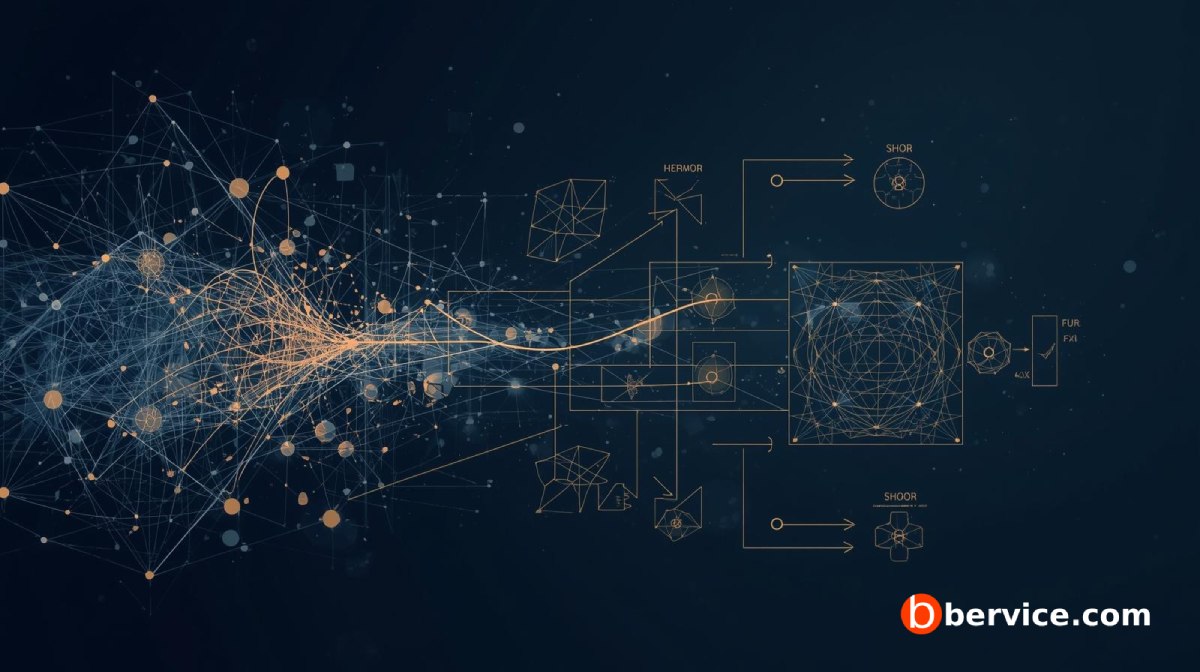
Understanding Shor’s and Grover’s Algorithms in Simple Terms
Power in Quantum Computing Quantum computing often sounds abstract and intimidating, but at its core, it introduces new ways of solving problems that classical computers struggle with. Two of the most famous examples are Shor’s Algorithm and Grover’s Algorithm. These algorithms clearly demonstrate why quantum computers are considered disruptive, especially for security, data search,…