-
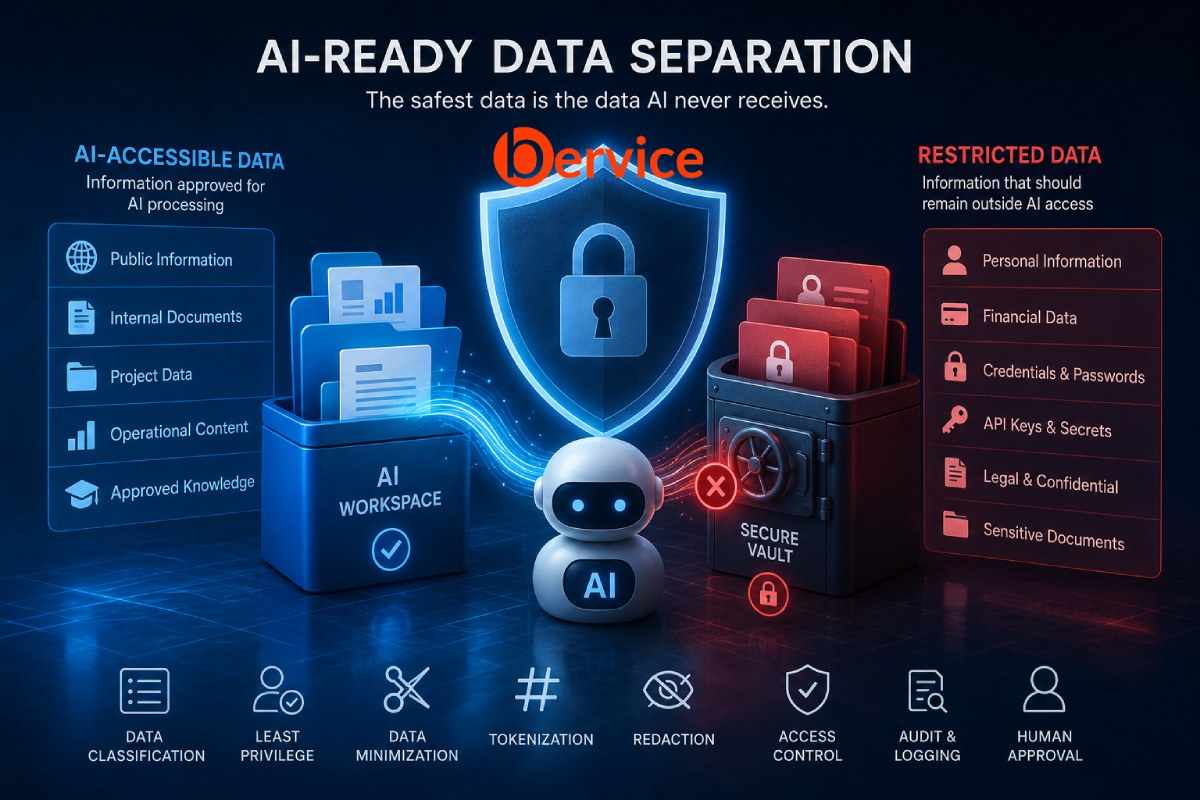
Separating Everyday Data from Sensitive Information in the Age of AI
Introduction Artificial intelligence is rapidly becoming part of everyday digital life. AI systems can now help us write emails, analyze documents, summarize meetings, search company knowledge, generate software, manage projects, analyze financial information, and automate repetitive work. The productivity benefits are enormous. But the expansion of AI into our daily workflows introduces a fundamental…
-
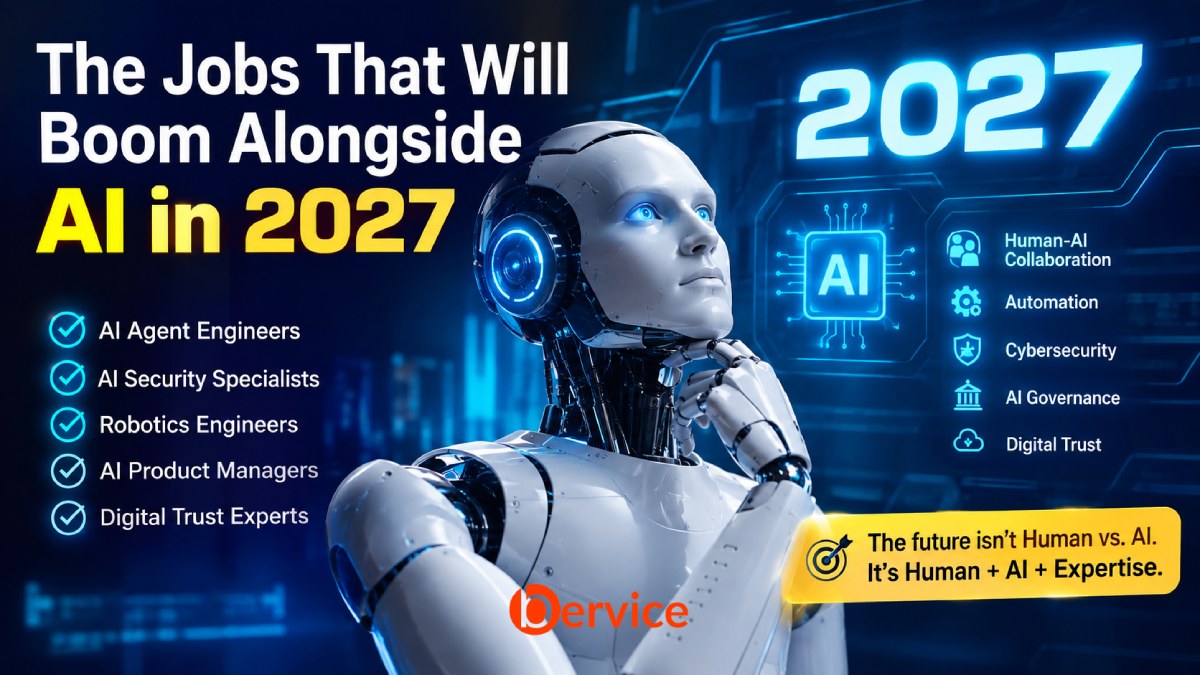
The Jobs That Will Boom Alongside AI in 2027
The Future of Work Is Not Human vs. AI. It Is Human + AI. For years, the conversation around artificial intelligence has been dominated by one question: Which jobs will AI replace? But as we move toward 2027, a more useful question is emerging: Which jobs will become more valuable because AI exists? Artificial…
-
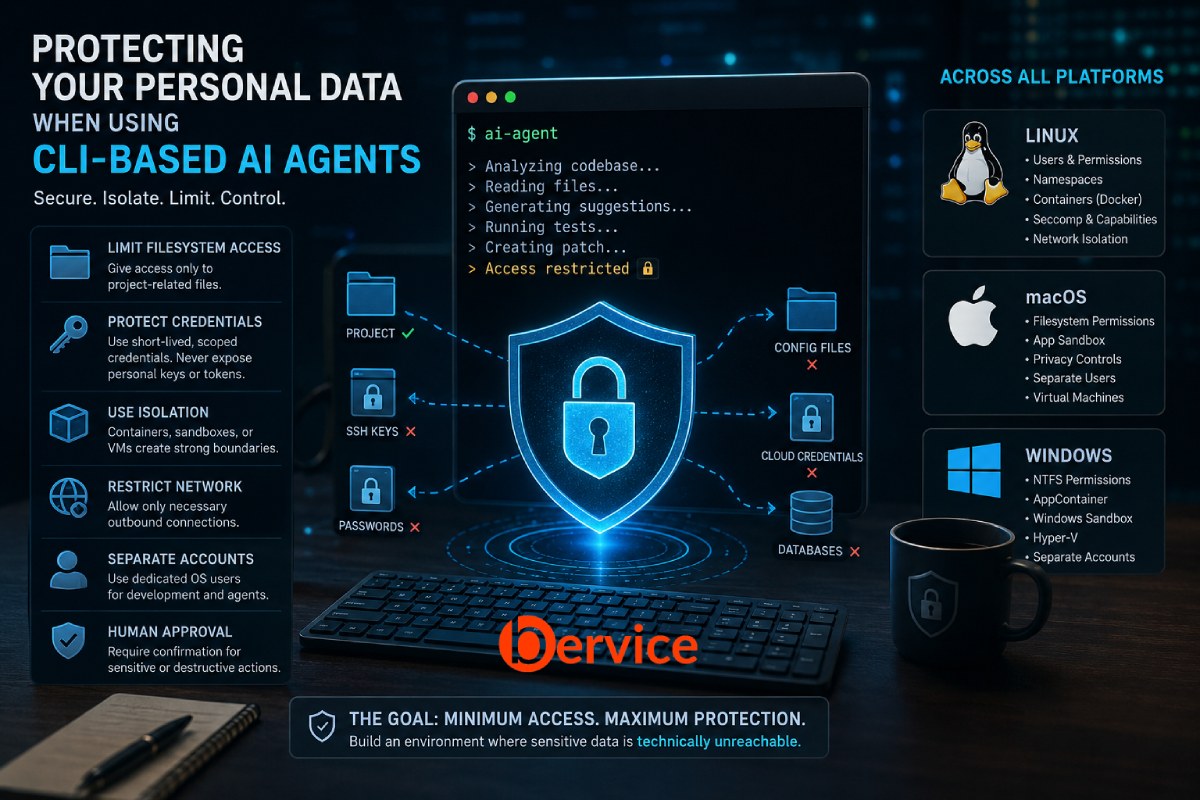
Protecting Personal Data When Using CLI-Based AI Agents on Linux, macOS, and Windows
Introduction AI agents are moving out of the browser and into one of the most powerful environments on a computer: the command line. CLI-based AI agents can inspect repositories, read files, execute commands, install dependencies, interact with Git, call APIs, modify configuration files, and sometimes control large portions of a development environment. That power…
-
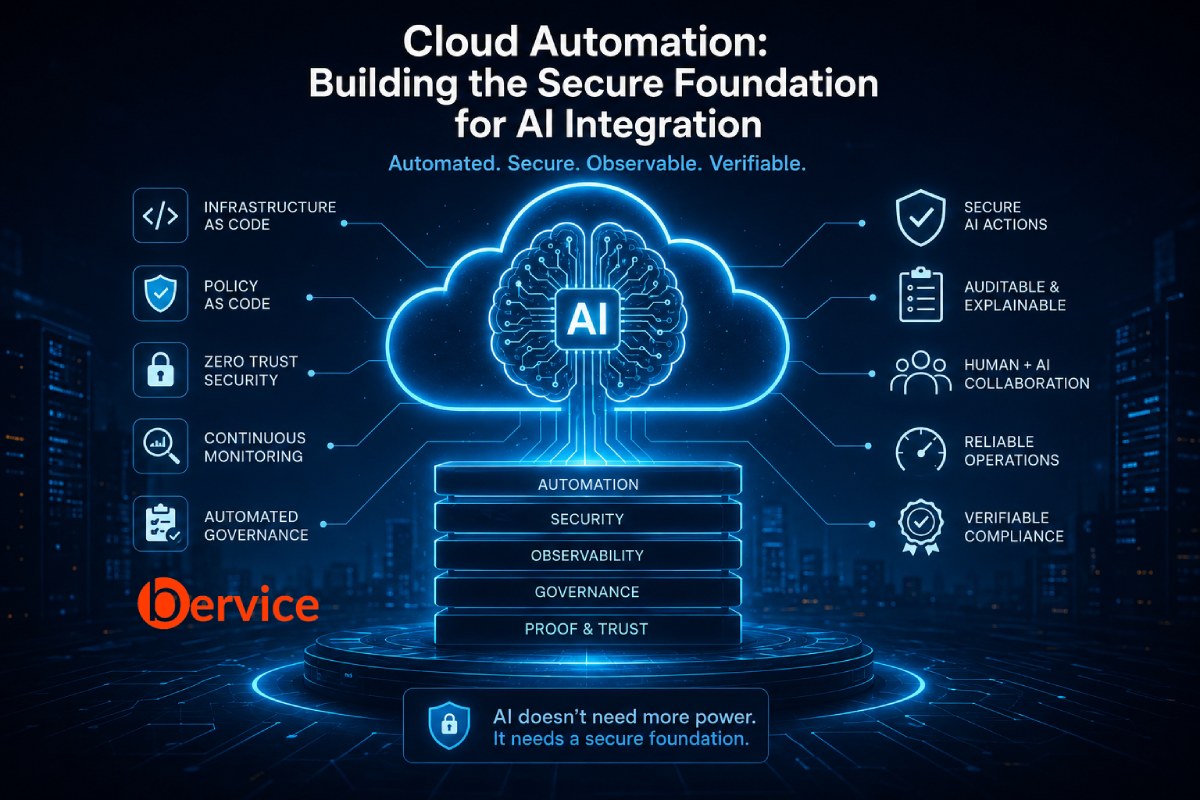
Cloud Automation: Building the Secure Foundation for AI Integration
Artificial Intelligence Doesn’t Fail Because of Intelligence. It Fails Because of Infrastructure. Artificial Intelligence is entering every layer of modern business. Organizations are embedding AI into customer support, software development, cybersecurity, finance, healthcare, manufacturing, and cloud operations. Yet despite massive investments, many AI initiatives never reach production or fail to deliver long term value.…
-
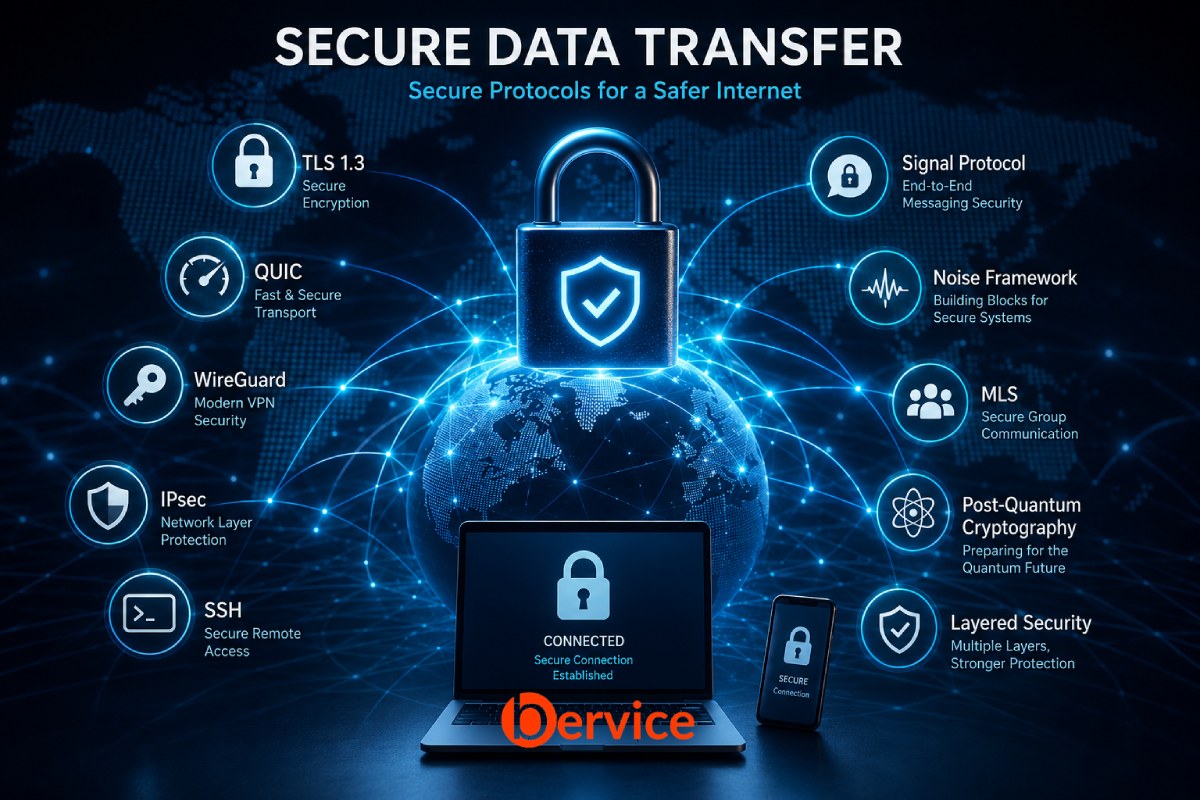
Beyond HTTPS: The World’s Most Secure Data Transfer Protocols in the Age of Cyber Warfare
Why Secure Communication Has Become a Strategic Necessity Every second, trillions of bytes of data travel across the Internet. Financial transactions, healthcare records, military communications, AI model interactions, cloud infrastructure, industrial control systems, and personal conversations all rely on digital networks. Yet many people mistakenly assume that “using HTTPS” means their information is completely…