-

Control Your Company with Artificial Intelligence
Introduction Modern companies generate an enormous amount of data every day, yet many important decisions are still made through incomplete reports, flawed human interpretation, and emotional judgment. In fast moving technology businesses, this creates a dangerous gap between reality and leadership perception. Teams may believe they are acting on facts, while in practice they…
-
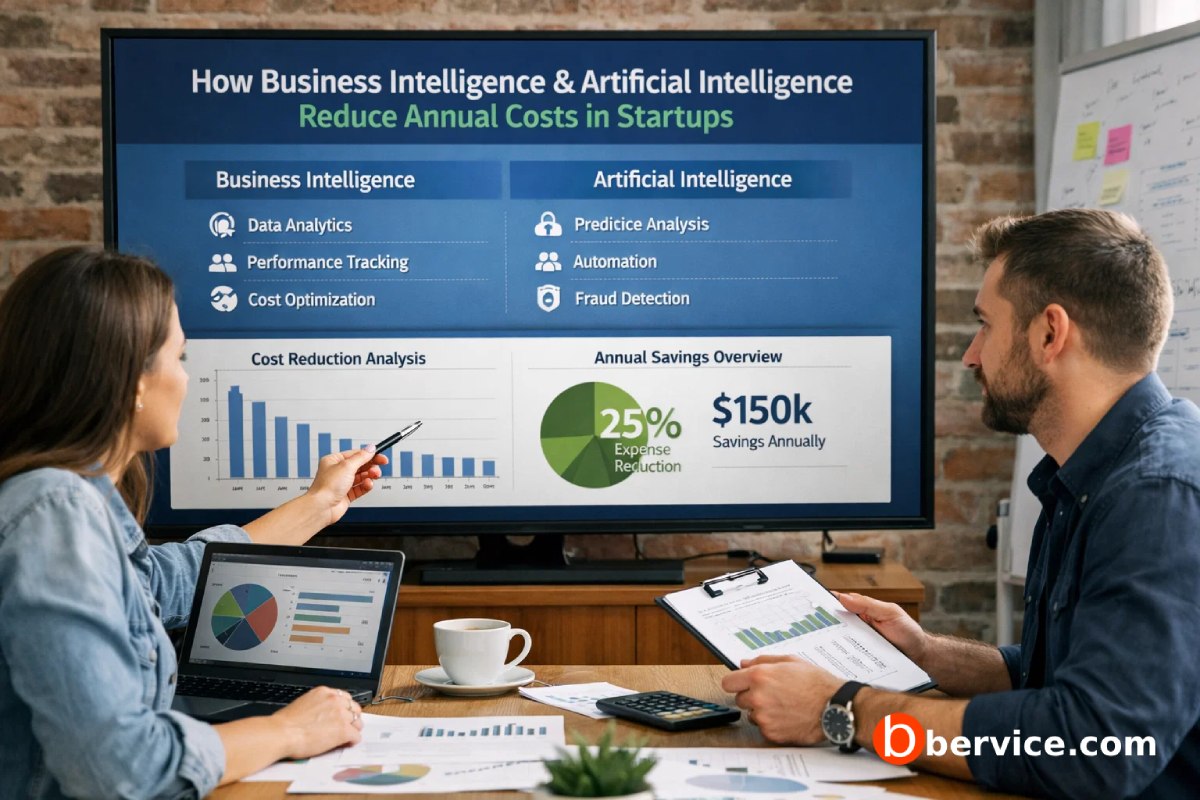
How Business Intelligence and Artificial Intelligence Reduce Annual Costs in Startups
Introduction Startups operate under constant pressure to optimize resources while scaling efficiently. Limited budgets, uncertain markets, and the need for rapid iteration make cost management a critical success factor. In this environment, combining Business Intelligence (BI) and Artificial Intelligence (AI) creates a powerful framework for reducing unnecessary expenses while improving decision quality. Rather than…
-
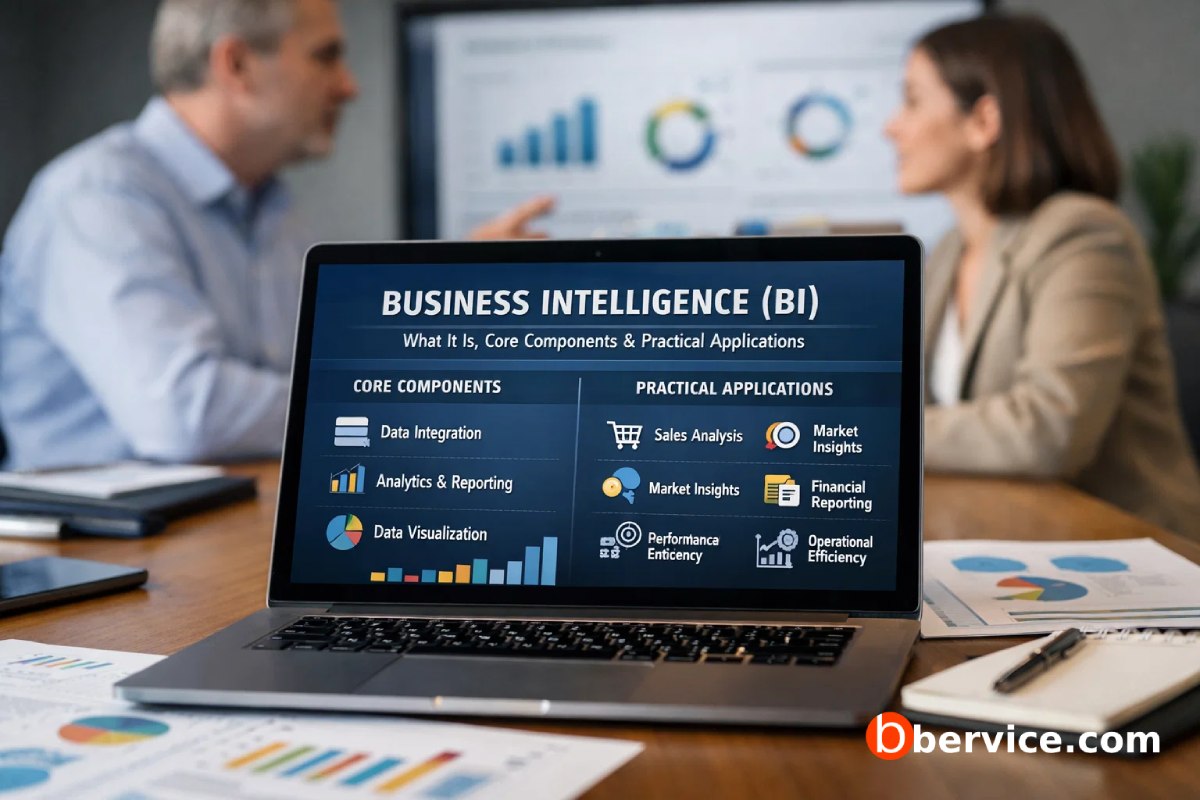
Business Intelligence (BI) What It Is, Its Core Components, and Its Practical Applications
Introduction Business Intelligence, often called BI, refers to the processes, technologies, and systems that help organizations collect, organize, analyze, and present data so they can make better decisions. In simple terms, BI turns raw data into meaningful insights. Instead of relying on guesswork, assumptions, or fragmented reports, companies use BI to understand what is…
-

The Visibility Gap: Why Leaders Often Cannot See Real Progress in Their Companies
Introduction: The Illusion of Progress In many organizations, leaders believe their teams are moving forward, yet they struggle to clearly understand how much real progress has actually been made. Meetings, reports, dashboards, and metrics may create the appearance of constant movement, but these signals often fail to represent the broader picture of organizational advancement.…