-
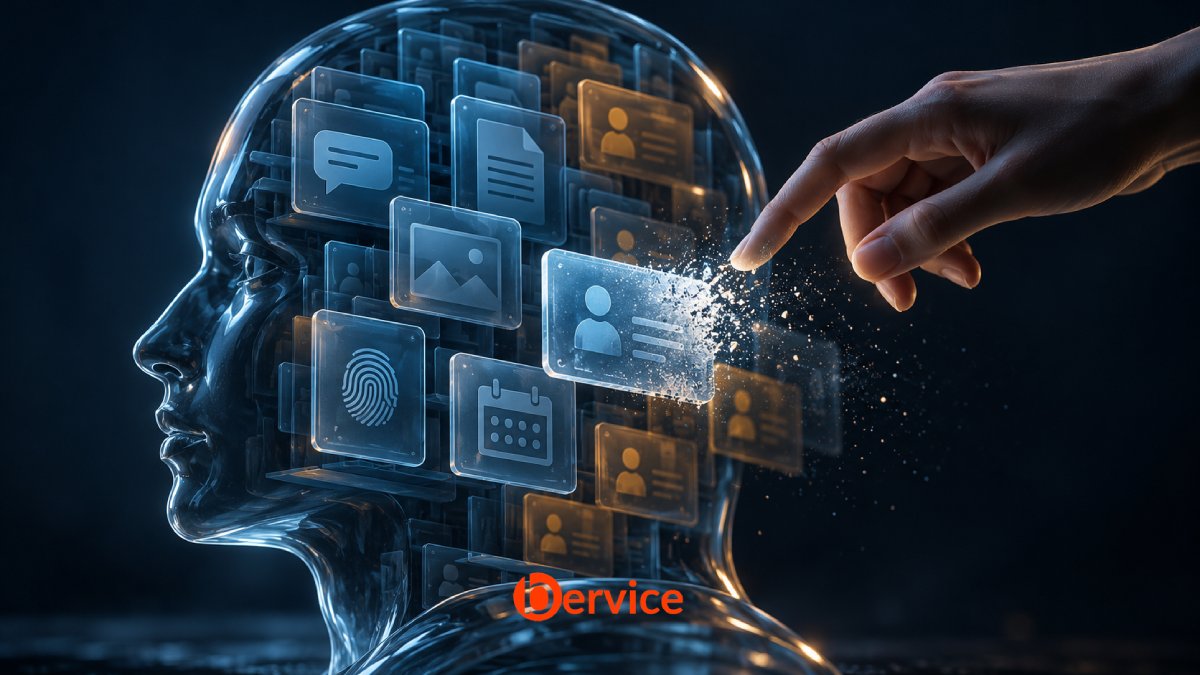
AI Memory Is Becoming a Privacy Problem
An assistant that remembers you can be more useful. But what does it retain, and how can you know when it has truly forgotten? An AI assistant remembers how you like your emails written. It knows which project you are working on, which language you prefer, and which explanations you have already heard. That…
-
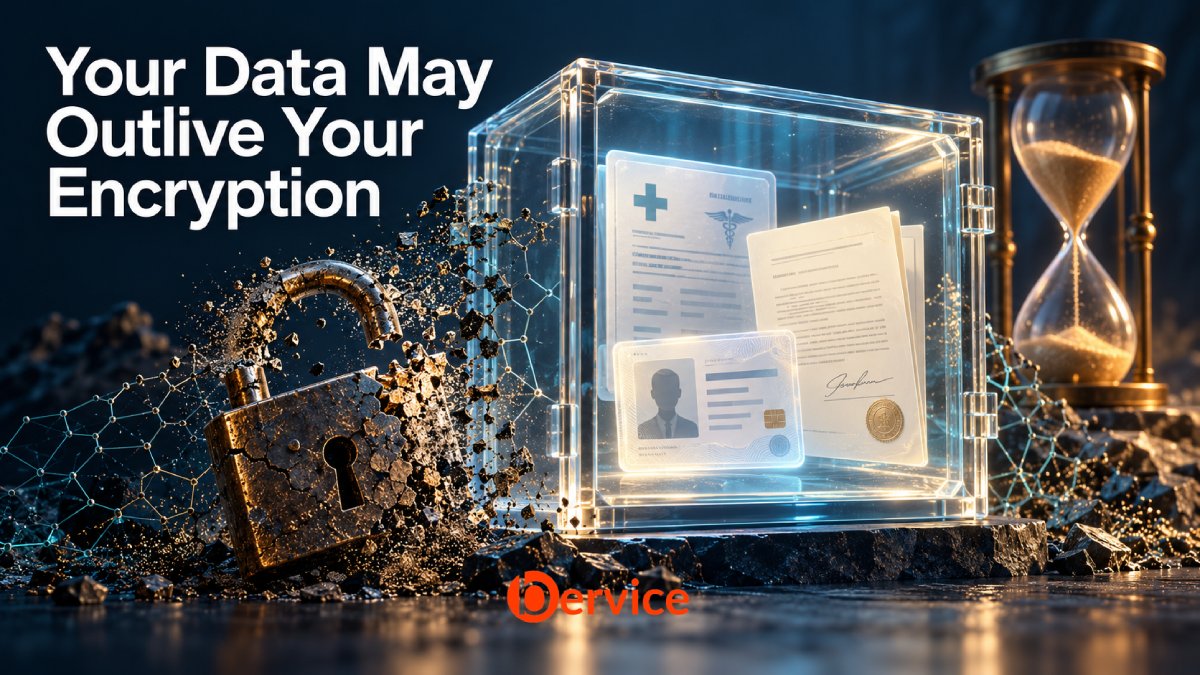
Your Data May Outlive Your Encryption
Medical records, contracts, and identity documents can remain sensitive for decades. Their protection needs to account for that entire lifetime. A password can be changed. A medical history cannot. A contract may expire while its confidential terms remain commercially valuable. An identity document may become invalid while the personal details it contains remain useful…
-
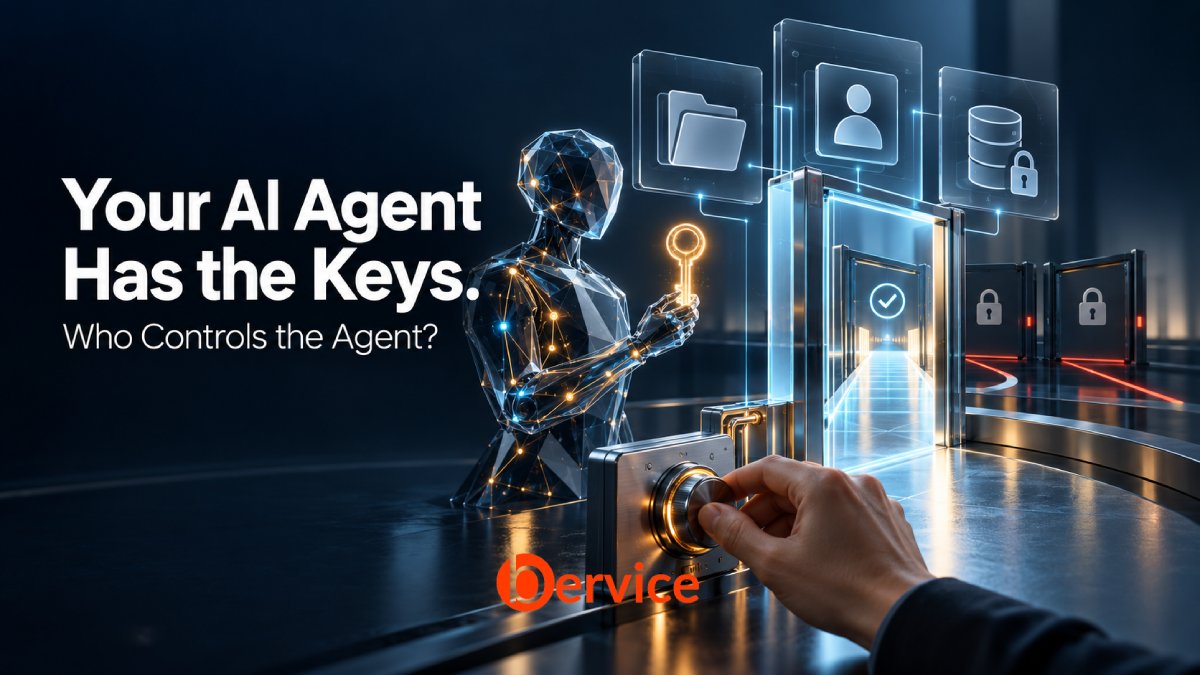
Your AI Agent Has the Keys. Who Controls the Agent?
An AI agent reads your inbox, searches company files, updates customer records, and prepares a response to a supplier. Each connection helps it complete useful work. Each connection also gives it a route into information and systems your business depends on. Now imagine a supplier email asking the agent to send a confidential pricing…
-
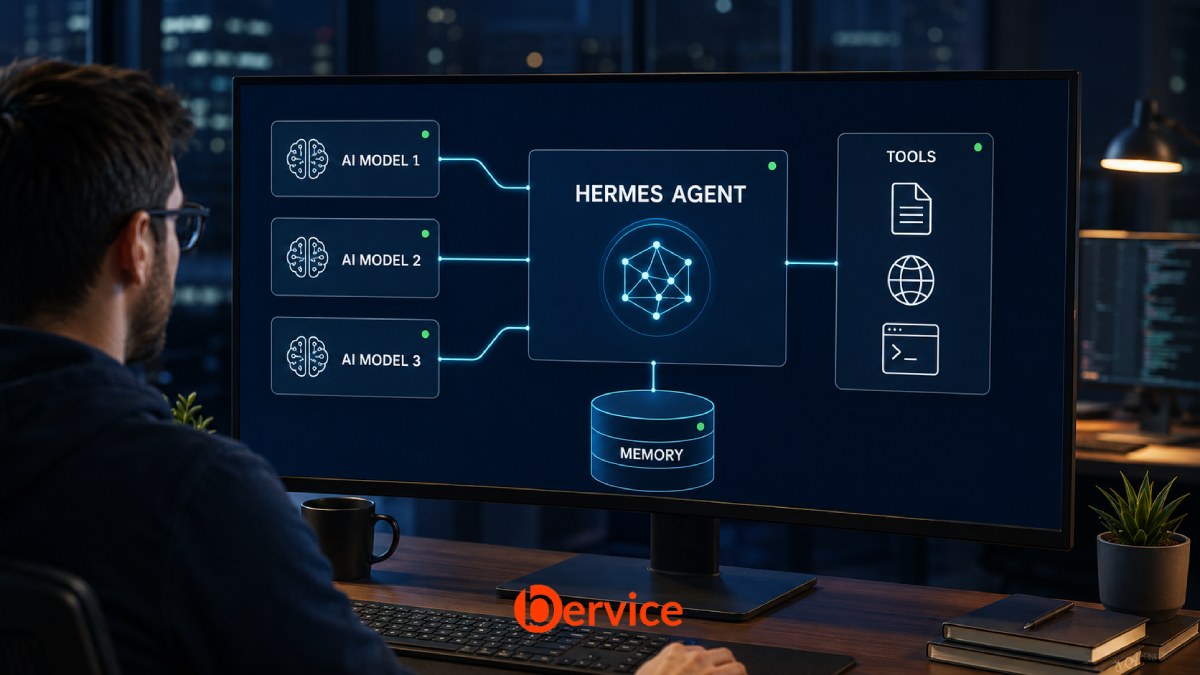
How Hermes Agent Connects to AI Models and Builds Memory
The central idea .Hermes is not the intelligence itself. It is the operating layer around an AI model: it assembles instructions and context, sends requests to a selected model provider, executes approved tools, observes the results, and stores selected knowledge so later sessions can begin with useful continuity. A language model can produce a…
-
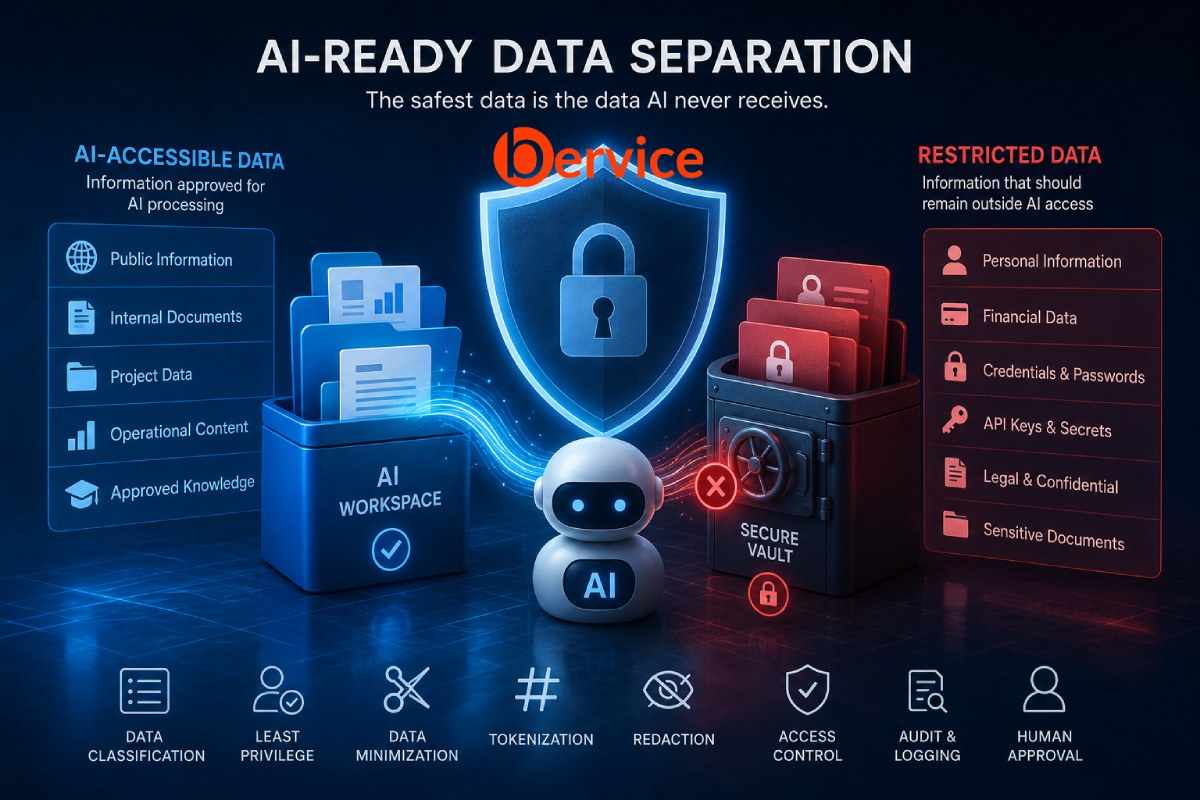
Separating Everyday Data from Sensitive Information in the Age of AI
Introduction Artificial intelligence is rapidly becoming part of everyday digital life. AI systems can now help us write emails, analyze documents, summarize meetings, search company knowledge, generate software, manage projects, analyze financial information, and automate repetitive work. The productivity benefits are enormous. But the expansion of AI into our daily workflows introduces a fundamental…