-
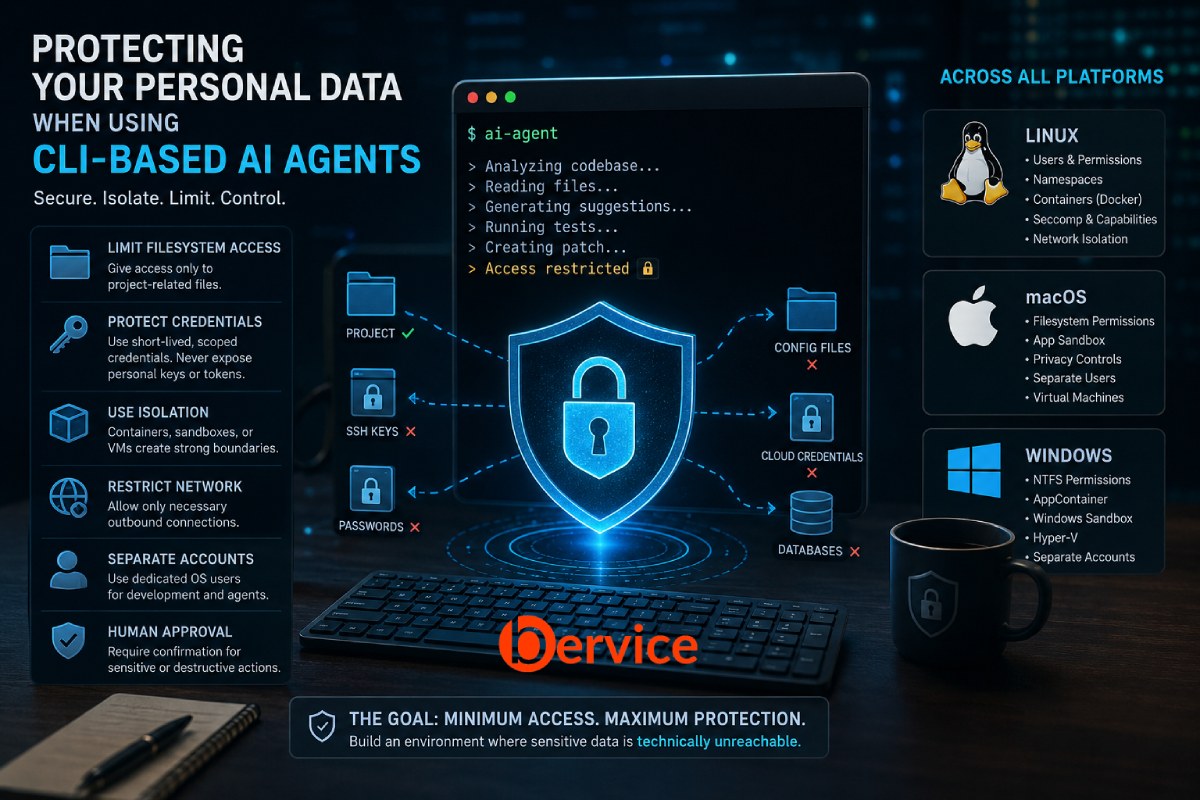
Protecting Personal Data When Using CLI-Based AI Agents on Linux, macOS, and Windows
Introduction AI agents are moving out of the browser and into one of the most powerful environments on a computer: the command line. CLI-based AI agents can inspect repositories, read files, execute commands, install dependencies, interact with Git, call APIs, modify configuration files, and sometimes control large portions of a development environment. That power…
-

Privacy Is the Next Battlefield: How to Protect Your Personal Information Before the AI Industrial Revolution Changes Everything
Artificial Intelligence is transforming the world at an unprecedented pace. Every day, AI systems become better at understanding language, recognizing faces, predicting behavior, generating content, and making decisions that once required human intelligence. This revolution promises incredible advances in healthcare, education, transportation, science, and business. But behind this progress lies an uncomfortable reality. The…
-

Blockchain, Privacy, and Artificial Intelligence: Building Trust Without Sacrificing Anonymity
Introduction Artificial Intelligence is transforming the way people communicate, work, and make decisions. At the same time, blockchain technology is redefining digital trust by enabling transparent, decentralized, and tamper resistant systems. Yet one important challenge remains unresolved: How can AI interact with users while preserving their privacy and anonymity? Today, most AI systems rely…
-
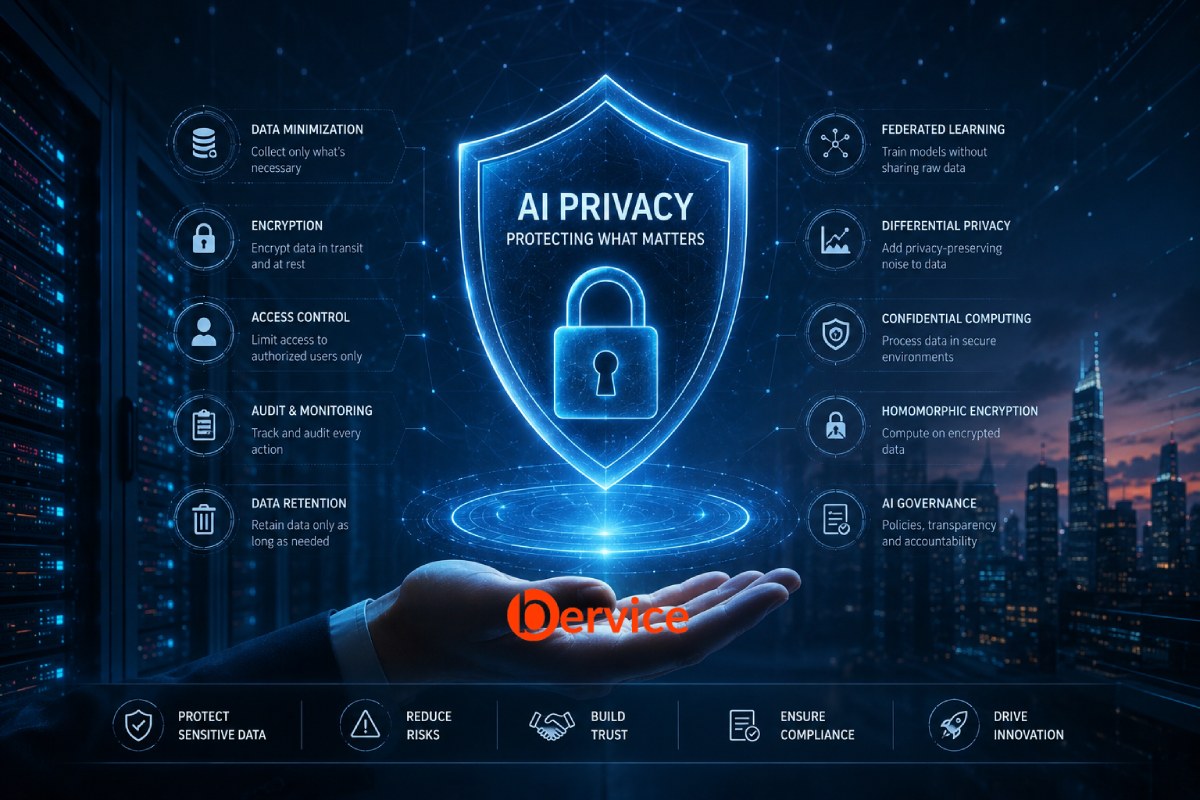
How Can We Truly Protect Information Privacy in the Age of Artificial Intelligence?
Security Is No Longer Enough. Privacy Is the New Competitive Advantage. Artificial Intelligence is transforming every industry. Organizations now use AI to write documents, analyze customer behavior, automate workflows, generate software, review legal contracts, and assist medical professionals. Every day, more sensitive information is being shared with intelligent systems. But a fundamental question remains:…
-
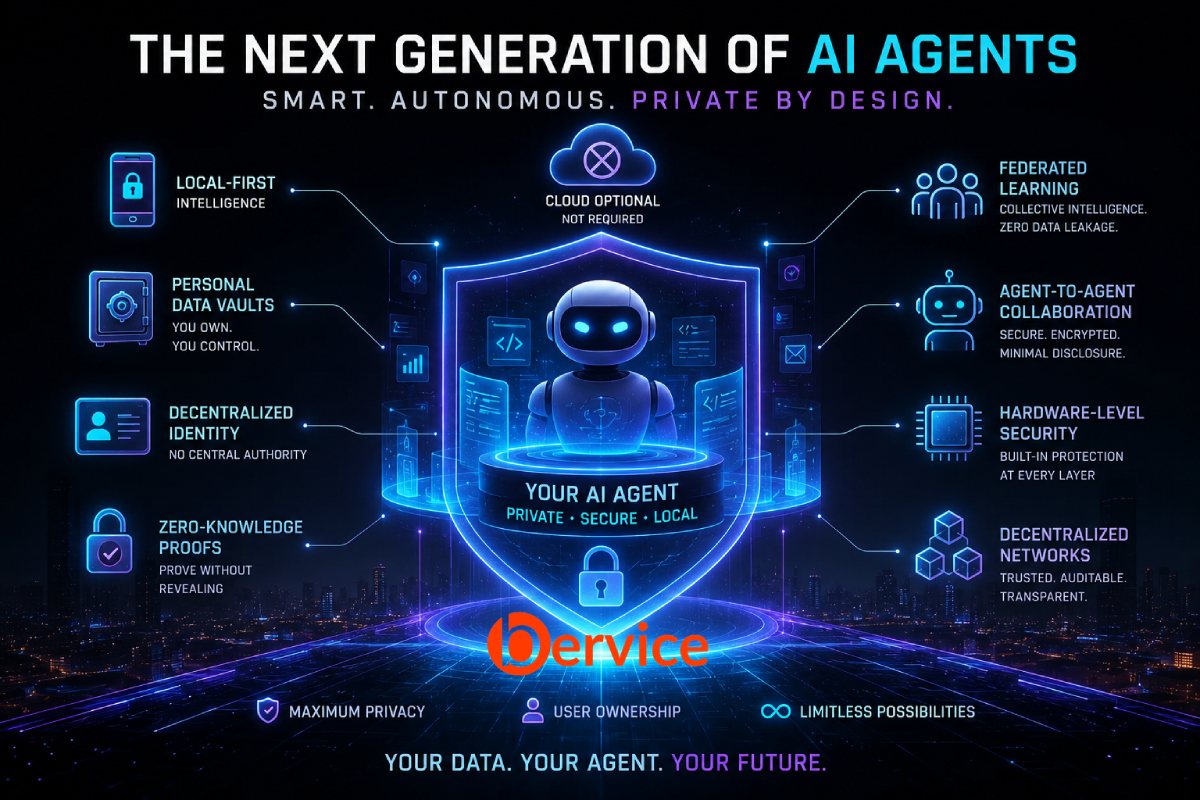
The Next Generation of AI Agents: Building a Future Where Privacy Comes First
Introduction Artificial Intelligence agents are rapidly evolving from simple assistants into autonomous digital entities capable of performing complex tasks on behalf of users. Today’s agents can schedule meetings, manage emails, conduct research, analyze data, and interact with various online services. However, as their capabilities grow, so do concerns about privacy, surveillance, data ownership, and…