-
Who Owns Your Digital Life When a Platform Disappears?
Your files may belong to you. Your ability to access them may depend on someone else. Imagine opening the app where you have stored years of work. Instead of your documents, you see a shutdown notice. Or a message saying your account has been suspended. Your folders, photographs, contracts, and conversations are suddenly out…
-
Your Company’s Next Data Leak Could Start with a Helpful AI
An employee uploads a confidential contract to get a quick summary. The answer arrives in seconds. Understanding where the information went may take much longer. A supplier contract lands in an employee’s inbox shortly before a meeting. It is long, technical, and full of clauses that need explaining. The employee opens an AI assistant,…
-
AI Memory Is Becoming a Privacy Problem
An assistant that remembers you can be more useful. But what does it retain, and how can you know when it has truly forgotten? An AI assistant remembers how you like your emails written. It knows which project you are working on, which language you prefer, and which explanations you have already heard. That…
-
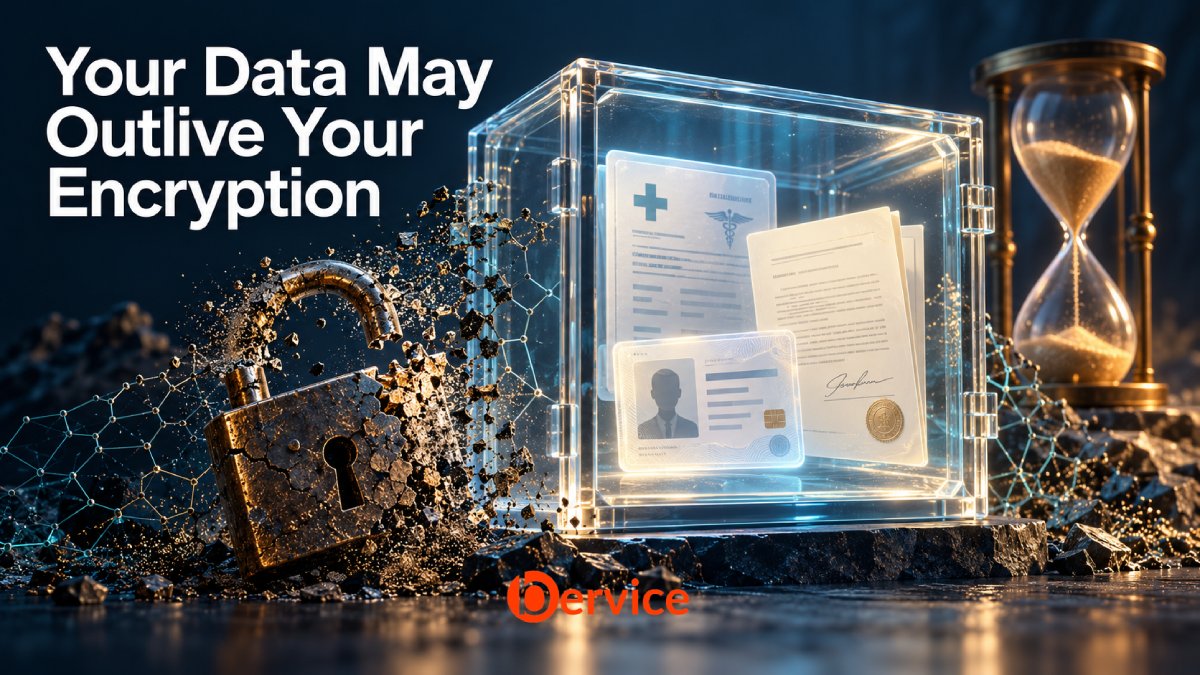
Your Data May Outlive Your Encryption
Medical records, contracts, and identity documents can remain sensitive for decades. Their protection needs to account for that entire lifetime. A password can be changed. A medical history cannot. A contract may expire while its confidential terms remain commercially valuable. An identity document may become invalid while the personal details it contains remain useful…
-
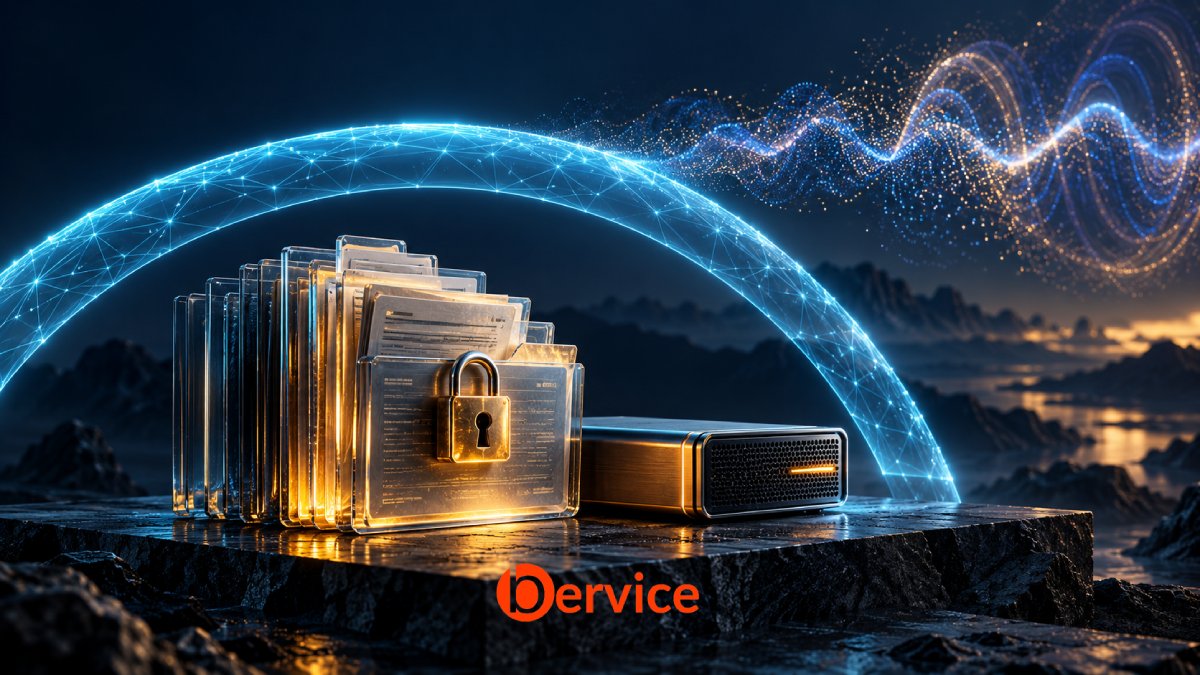
The Post-Quantum Web Is Arriving. What About Your Stored Files?
The internet is beginning to protect connections against future quantum attacks. But the files we keep for years introduce a different security challenge. Imagine a business upgrading its website to support post-quantum cryptography. Customer connections become better protected against a future generation of quantum computers. The company announces the improvement, and its security team…