-
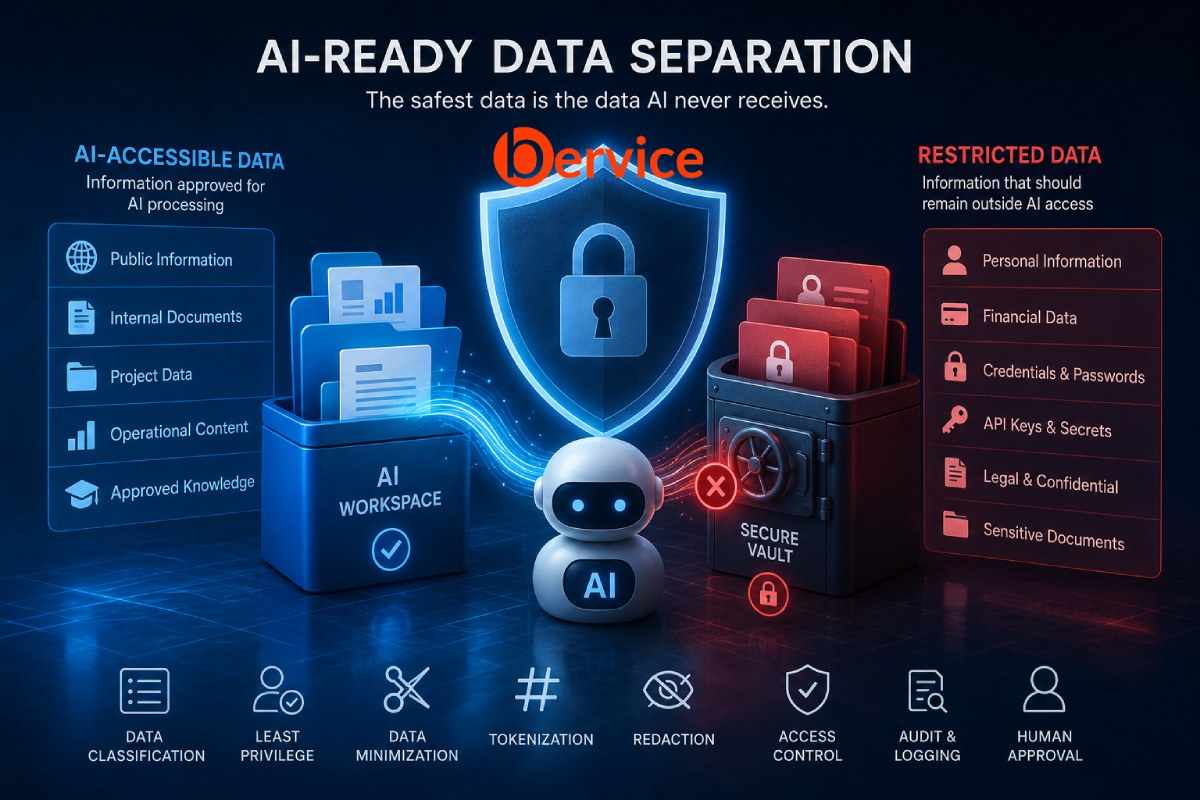
Separating Everyday Data from Sensitive Information in the Age of AI
Introduction Artificial intelligence is rapidly becoming part of everyday digital life. AI systems can now help us write emails, analyze documents, summarize meetings, search company knowledge, generate software, manage projects, analyze financial information, and automate repetitive work. The productivity benefits are enormous. But the expansion of AI into our daily workflows introduces a fundamental…
-

Privacy Is the Next Battlefield: How to Protect Your Personal Information Before the AI Industrial Revolution Changes Everything
Artificial Intelligence is transforming the world at an unprecedented pace. Every day, AI systems become better at understanding language, recognizing faces, predicting behavior, generating content, and making decisions that once required human intelligence. This revolution promises incredible advances in healthcare, education, transportation, science, and business. But behind this progress lies an uncomfortable reality. The…
-
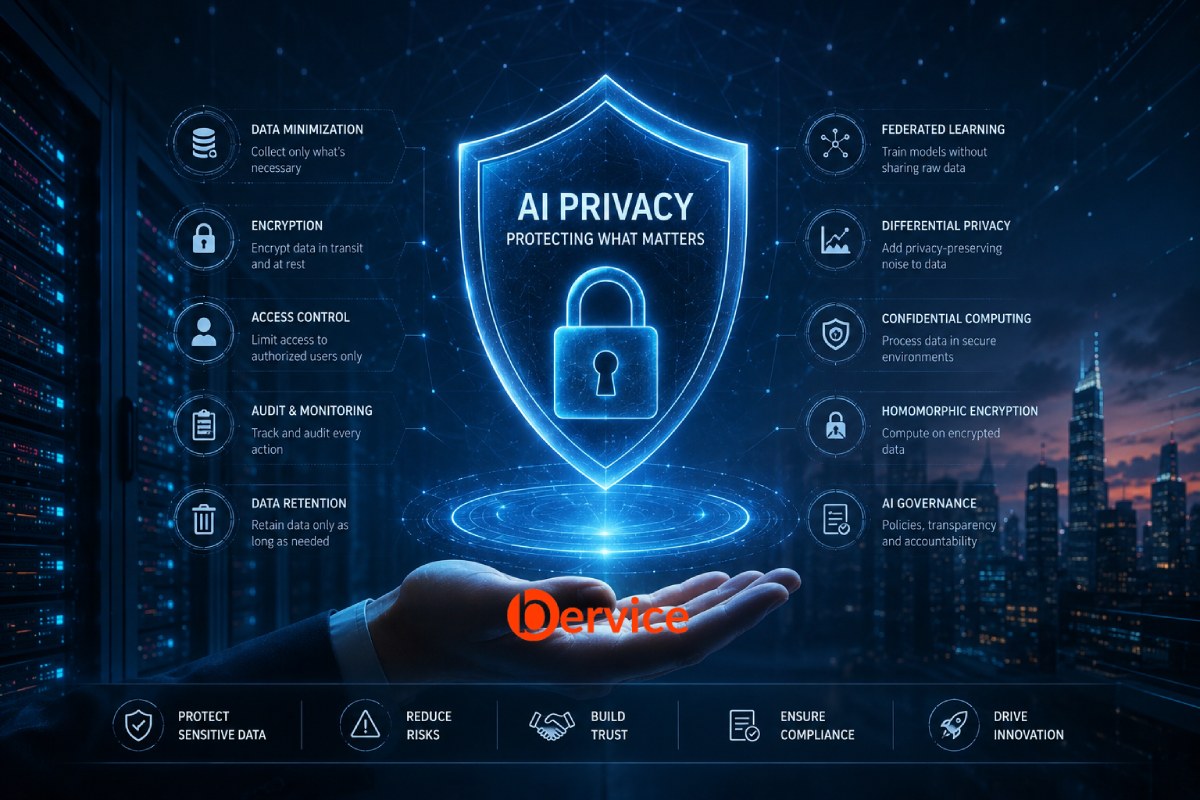
How Can We Truly Protect Information Privacy in the Age of Artificial Intelligence?
Security Is No Longer Enough. Privacy Is the New Competitive Advantage. Artificial Intelligence is transforming every industry. Organizations now use AI to write documents, analyze customer behavior, automate workflows, generate software, review legal contracts, and assist medical professionals. Every day, more sensitive information is being shared with intelligent systems. But a fundamental question remains:…
-

How to Design an Organization So Employees Do Not Accidentally or Intentionally Leak Sensitive Data and Intellectual Property to AI
Introduction: AI Is Now a Data Governance Challenge Artificial intelligence is no longer only a productivity tool. It has become part of daily work across software development, marketing, sales, legal, research, customer support, product design, and operations. Employees use AI to summarize documents, write code, analyze data, prepare emails, generate strategies, debug systems, and…
-

Local AI as a Privacy Shield: Why Running Models Offline Matters More Than Ever
In recent years, artificial intelligence has become deeply embedded in business operations, personal productivity, and decision-making systems. However, this rapid adoption has introduced a critical tension: the more powerful AI systems become, the more data they require. Most mainstream AI platforms rely on cloud-based infrastructures that continuously collect, process, and learn from user inputs.…