-
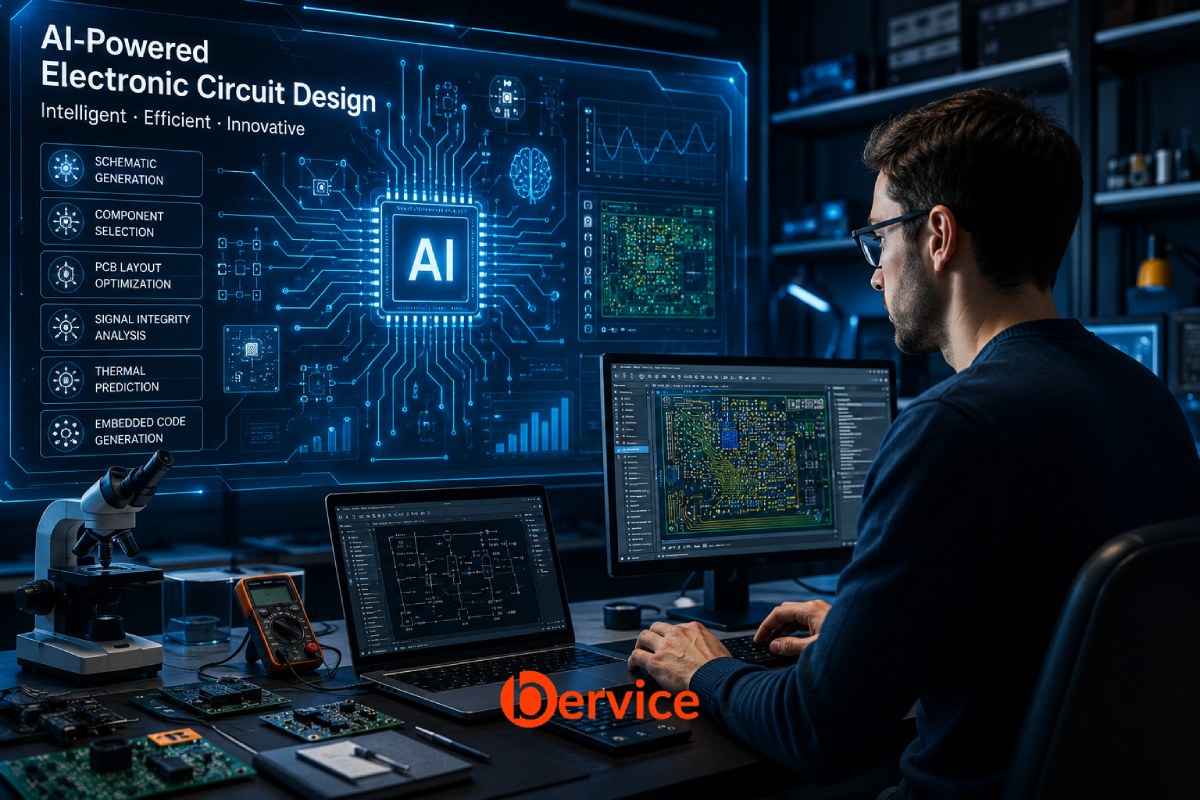
How Artificial Intelligence Is Transforming Electronic Circuit Design
Introduction Artificial Intelligence (AI) is rapidly reshaping the electronics industry. What once required weeks of manual calculations, repeated simulations, and countless hardware prototypes can now be accelerated with intelligent software capable of learning from millions of previous designs. Modern AI tools are no longer limited to automating repetitive tasks. They actively assist engineers by…
-
Artificial Intelligence in Electronics: Benefits, Challenges, and the Industries Leading Adoption
Introduction Artificial Intelligence (AI) has become one of the most transformative technologies in modern electronics. From smartphones and wearable devices to industrial automation and autonomous vehicles, AI is fundamentally changing how electronic systems are designed, manufactured, and operated. Instead of simply executing predefined instructions, modern electronic devices can now analyze data, learn from experience,…
-
VxWorks: The Hidden Brain Behind Spacecraft, Robots, and Mission-Critical Systems
When people think about space exploration, they imagine rockets, rovers, and distant planets. Rarely do they think about the operating system quietly running in the background making real-time decisions where even a millisecond delay or a single fault could mean mission failure. Behind many of humanity’s most demanding machines lies VxWorks, a real-time operating…
-
Code Running on Living Metal When Hardware Stops Playing by the Rules
Software engineers love to believe their code runs in a clean, deterministic universe. But once you drop below the OS layer and step onto bare metal, that illusion collapses. Microcontrollers, avionics systems, and industrial controllers operate inside physics not logic and physics doesn’t care about your abstractions. 1. Hardware Is Not a Perfect Machine…
-
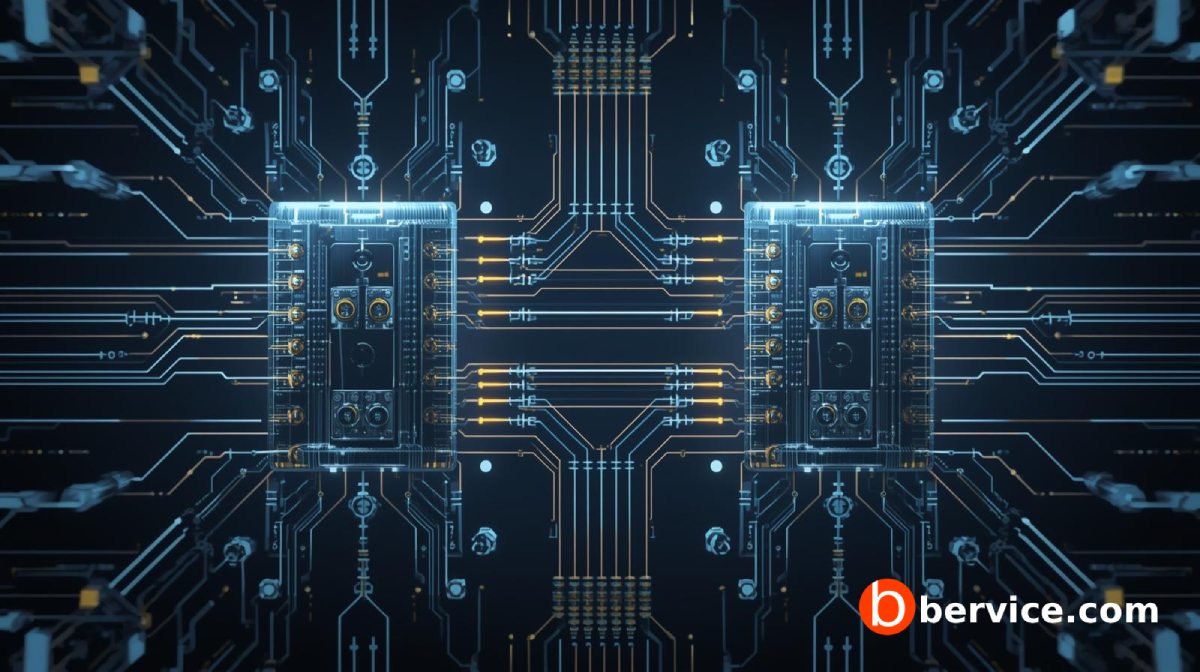
N-Version Programming and Design-Fault Tolerance in Safety-Critical Actuators
Safety-critical aerospace systems demand reliability far beyond ordinary software engineering standards. In modern fly-by-wire architectures, actuators that drive control surfaces — elevators, ailerons, rudders, flaps, and high-authority maneuvering systems — must function correctly under all circumstances. Hardware redundancy alone cannot guarantee this; design faults in software remain a major threat. This is where N-Version…