-
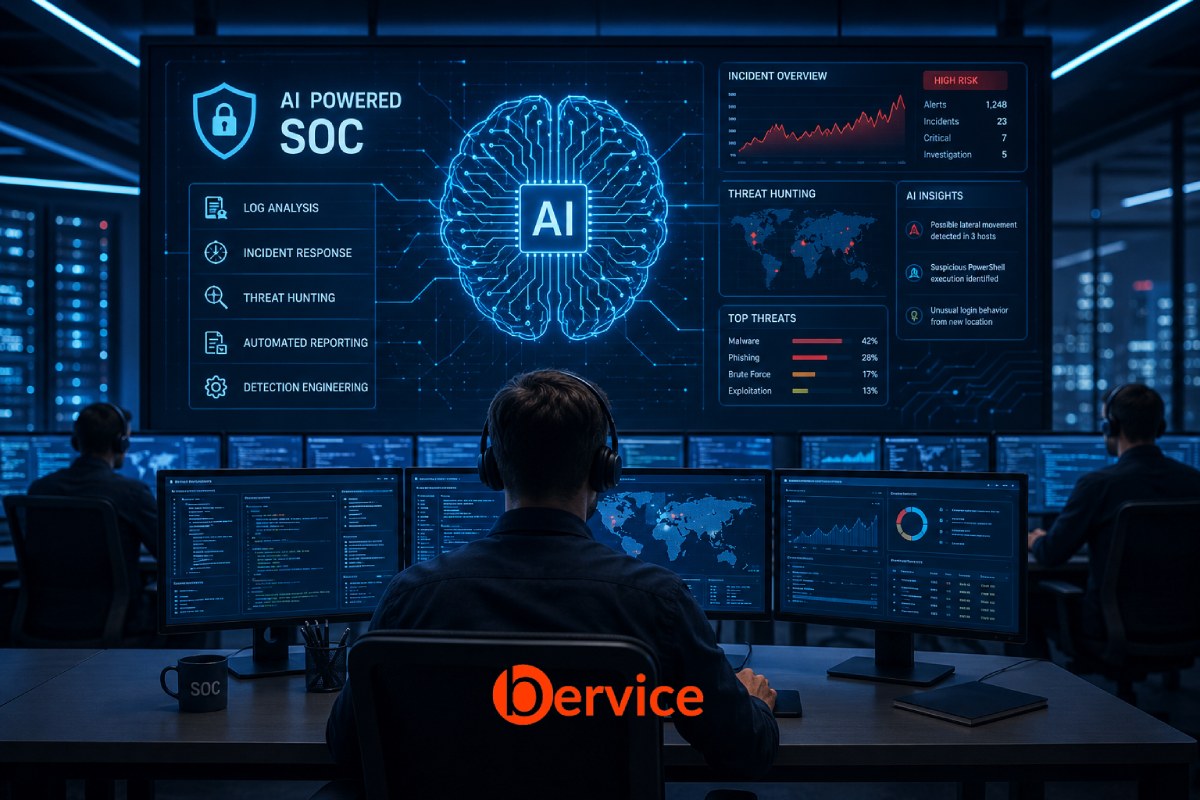
Building an AI Powered Security Operations Center (SOC)
How Large Language Models Are Transforming Log Analysis, Incident Response, and Threat Hunting Introduction Modern Security Operations Centers (SOCs) face an overwhelming challenge. Every day, organizations generate millions of security events from firewalls, cloud platforms, identity providers, endpoint protection tools, applications, databases, and network devices. While security technologies have become increasingly sophisticated, the volume…
-
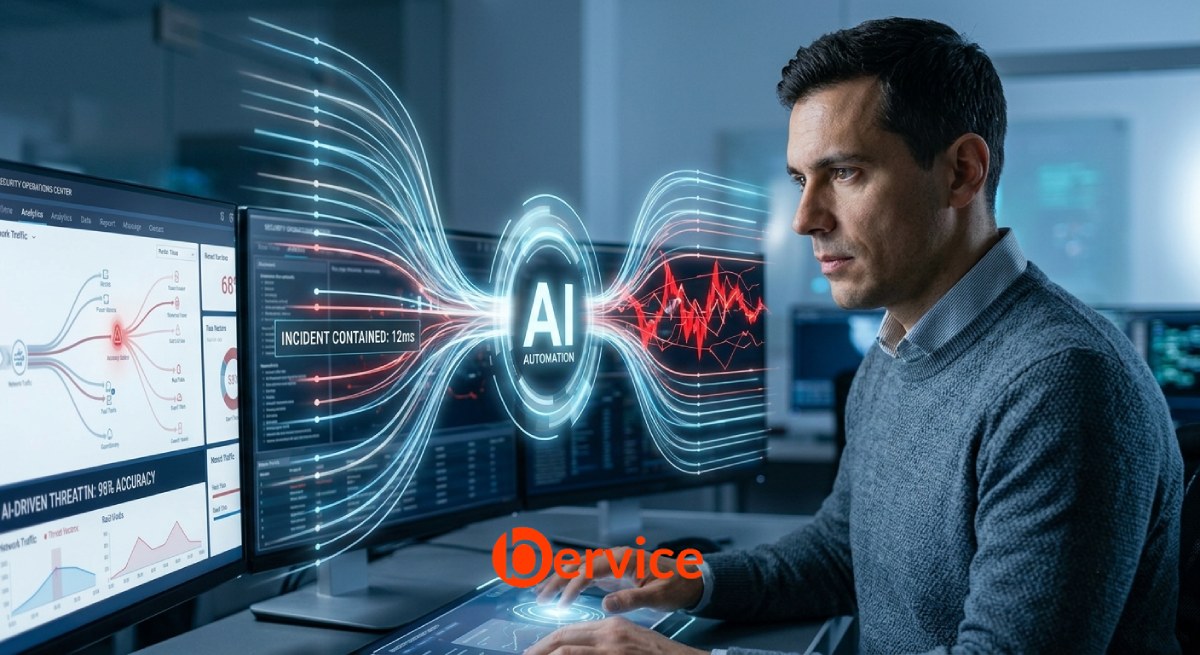
Why Traditional Security Is No Longer Enough: Why AI Must Become Part of Your Security Architecture
Introduction For decades, cybersecurity has been built on a simple assumption: if organizations could build stronger walls, attackers would eventually give up. Firewalls became smarter. Antivirus software became faster. Intrusion Detection Systems became more sophisticated. Security teams invested billions in prevention. Yet despite all these investments, cyberattacks continue to increase in both frequency and…
-
Artificial Intelligence and Post-Quantum Cryptography (PQC)
Securing the Future in the Age of Intelligent Systems 1. Introduction: Two Converging Frontiers Artificial Intelligence (AI) and Post-Quantum Cryptography (PQC) represent two of the most transformative technological forces shaping the future. While AI is accelerating automation, decision-making, and system intelligence, quantum computing threatens to break the very cryptographic foundations that secure today’s digital…
-
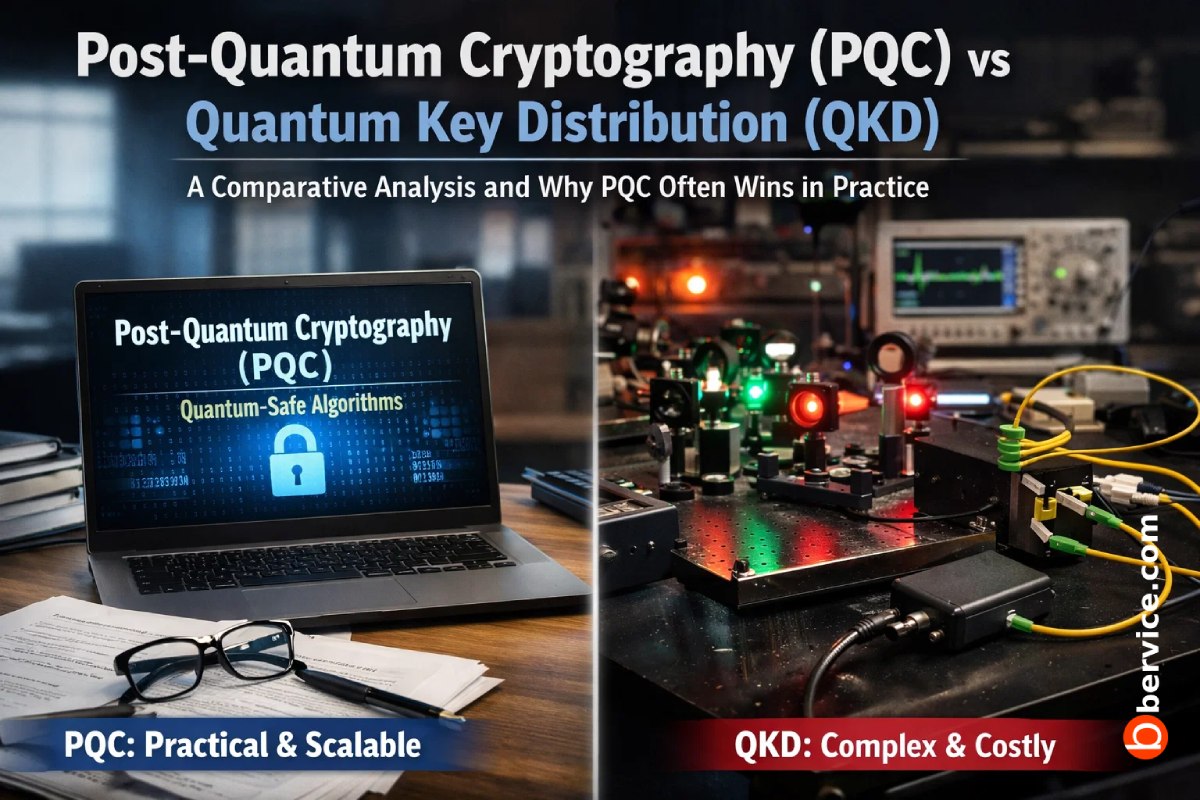
Post-Quantum Cryptography (PQC) vs Quantum Key Distribution (QKD) A Comparative Analysis and Why PQC Often Wins in Practice
1. Introduction: The Quantum Threat to Modern Cryptography Modern digital security relies heavily on cryptographic systems such as RSA and ECC. These systems are considered secure today but are fundamentally vulnerable to future quantum computers due to algorithms like Shor’s algorithm, which can efficiently break them. To address this existential threat, two primary paradigms…
-
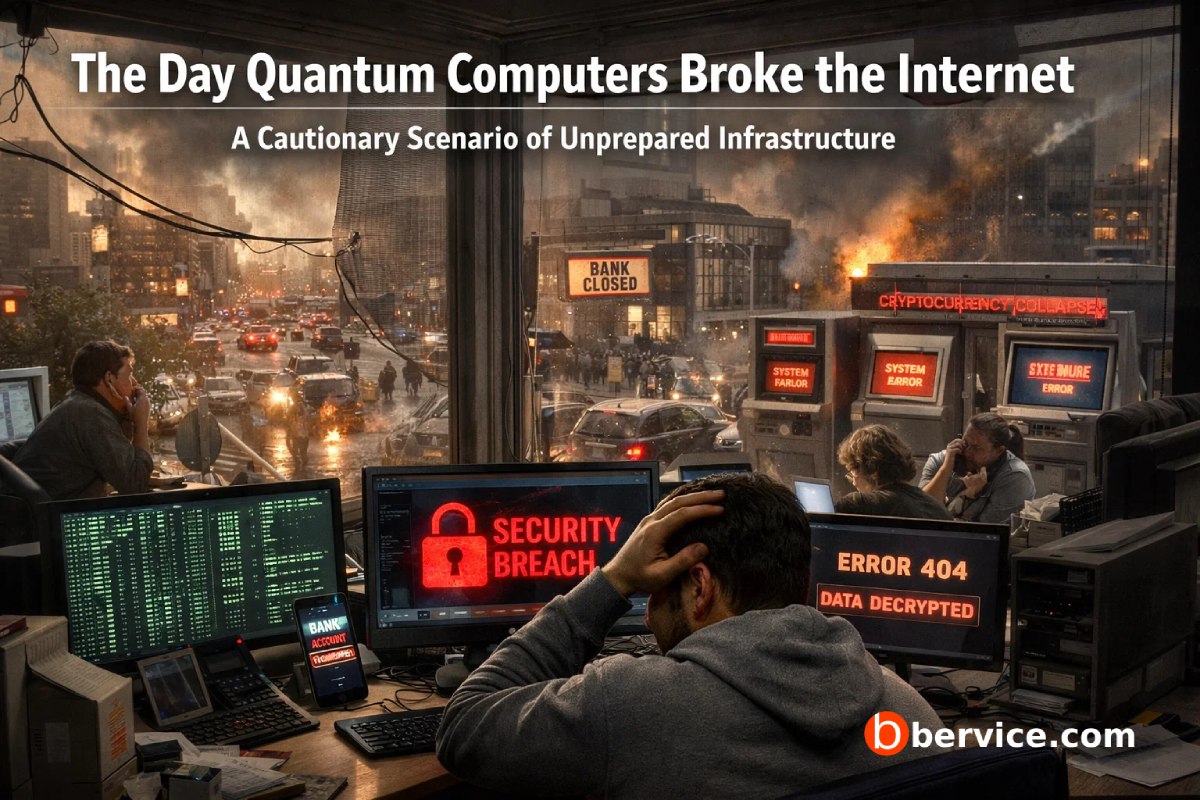
The Day Quantum Computers Broke the Internet
A Cautionary Scenario of Unprepared Infrastructure Prologue: The Morning Nothing Failed The day began quietly. No alarms. No warnings. Banks opened. Hospitals ran. Governments logged in.Every system reported green. Somewhere else, far from public dashboards and compliance reports, the first large scale fault tolerant quantum computer finished a calculation that classical machines would need…