-
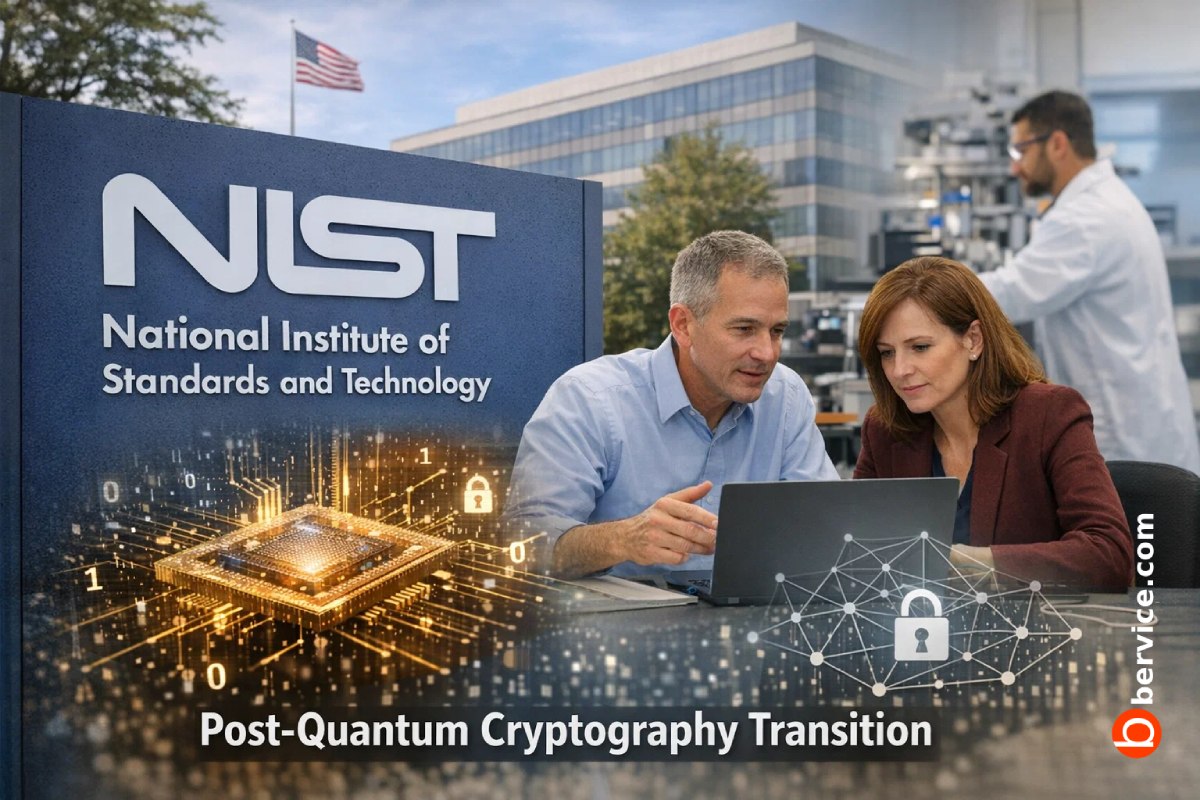
What Is NIST? Its Mission and Its Role in the Post-Quantum Cryptography Transition
Introduction As digital systems become more interconnected and long-lived, cryptography has shifted from being a purely technical concern to a matter of national infrastructure and global trust. One organization has played a central role in shaping how cryptography is standardized and adopted worldwide: National Institute of Standards and Technology, commonly known as NIST. In…
-

Are companies ready for post quantum cryptography in 2026
In early 2026, many organizations are aware of post quantum cryptography, but most are not fully transitioned. The common situation is: planning has started, pilots are happening, and inventories are being built, while broad production rollout is still limited to specific parts of the stack like web traffic at large CDNs or selected cloud…
-
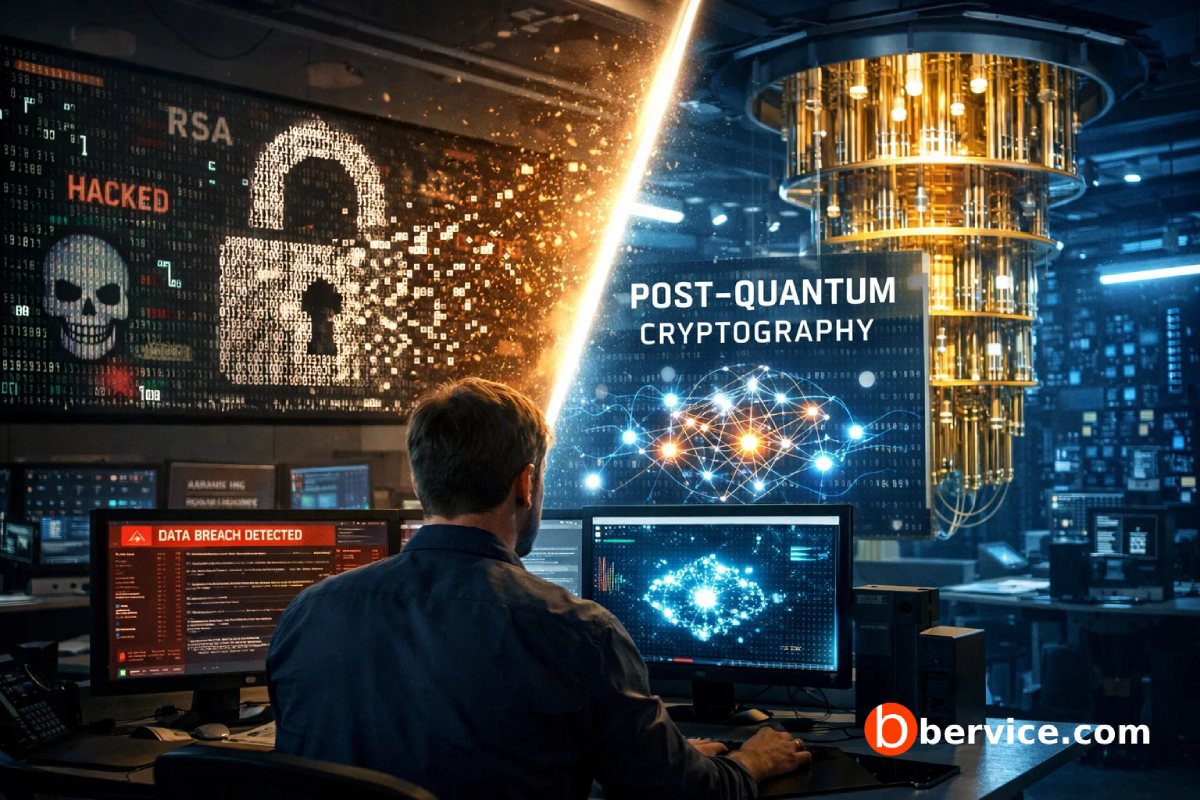
A Major Transformation in Cybersecurity Post Quantum Cryptography
Introduction The rapid advancement of quantum computing is reshaping the landscape of cybersecurity. While large-scale, fault-tolerant quantum computers are not yet widely available, their eventual emergence poses a serious threat to many of today’s cryptographic systems. Algorithms such as RSA, ECC, and Diffie–Hellman, which underpin global digital security, are vulnerable to quantum attacks most…
-

Cryptography That Relies on Errors, Not Data
A Hidden Risk in Quantum-Safe Designs As the cryptographic world prepares for the post-quantum era, much of the focus has shifted toward algorithms believed to be resistant to quantum attacks. Among the most prominent of these are noise-based constructions, particularly lattice-based cryptography. These systems promise security not from secrecy of data, but from mathematical…
-

Post-Quantum Cryptography (PQC) Securing the Digital World Against Quantum Computers
Introduction Why Cryptography Must Evolve Modern digital security is built on cryptographic foundations such as RSA, ECC, and Diffie–Hellman. These algorithms protect everything from online banking and cloud storage to messaging apps and national infrastructure. However, the emergence of quantum computing threatens to undermine this foundation entirely. Quantum computers, once sufficiently powerful, will be…