-

Blockchain, Quantum Computing, and Decentralized Storage: Borderless Security
Exploring a unified, forward-looking ecosystem for data protection Introduction: The Rising Need for Borderless Security In an era defined by unprecedented data generation, digital transactions, and global connectivity, the demand for uncompromising security has never been higher. Cyber threats are evolving, nation-state actors are becoming more sophisticated, and traditional encryption methods face the looming…
-

Preparing for the Quantum Computing Job Market in 2026
1. Industry Outlook & Inflection Points 2. Core Frameworks, Languages & Platforms To be market-ready by 2026, focus on these critical tools: 3. Hybrid Computing & Quantum-AI Integration 4. Growing Demand and Talent Shortage Summary: Strategic Preparation Tips for 2026 Focus Area Recommended Actions Programming & Frameworks Learn Qiskit, Q#, OpenQASM, and related tools…
-

Can Blockchain Work Alongside the Quantum Internet? Potential Synergies and Benefits
As two of the most transformative technologies of the 21st century, blockchain and the quantum internet are poised to reshape the digital world. While they may seem to be on opposite ends of the technological spectrum — one rooted in classical cryptography and the other in quantum mechanics — recent advancements suggest a convergence…
-
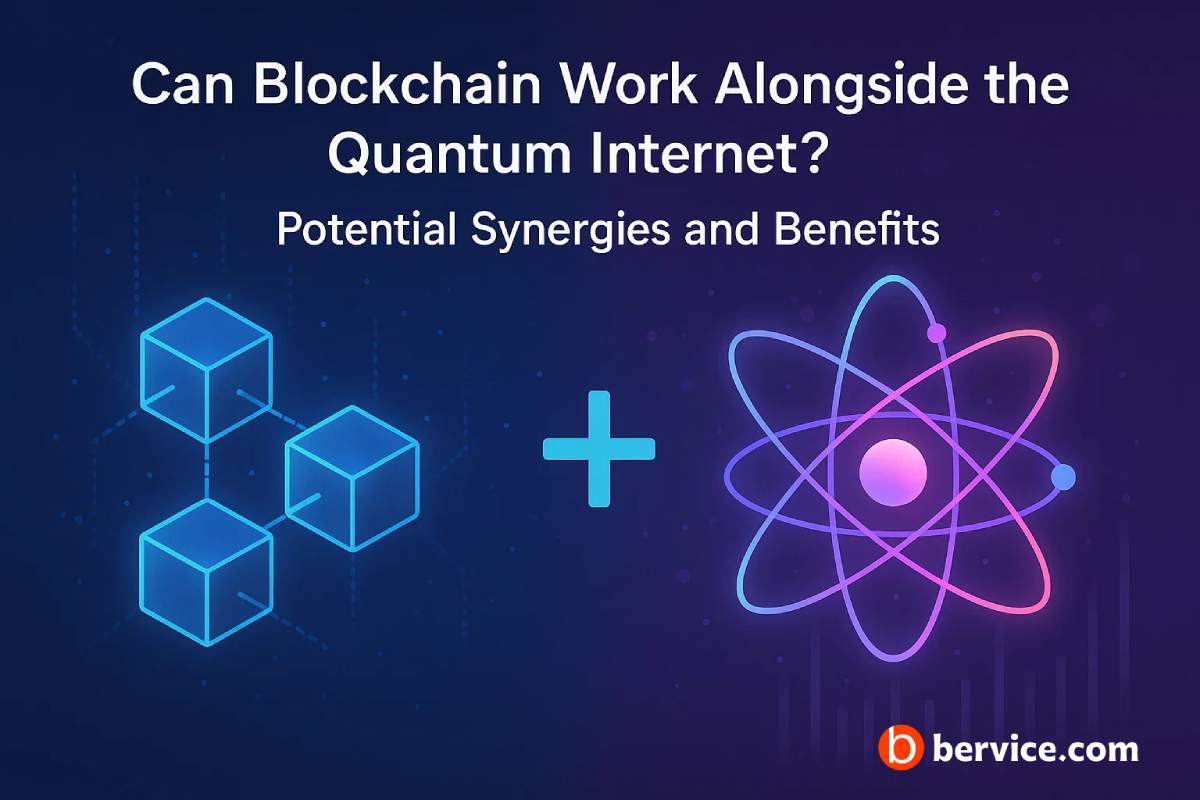
Can Blockchain Work Alongside the Quantum Internet? Potential Synergies and Benefits
As the world moves rapidly toward an era defined by quantum computing and decentralized technologies, a pressing question emerges: Can blockchain and the quantum internet co-exist, or even thrive together? While quantum computing poses challenges to traditional blockchain encryption, the development of a quantum internet introduces unprecedented opportunities for secure communication, distributed trust, and…
-
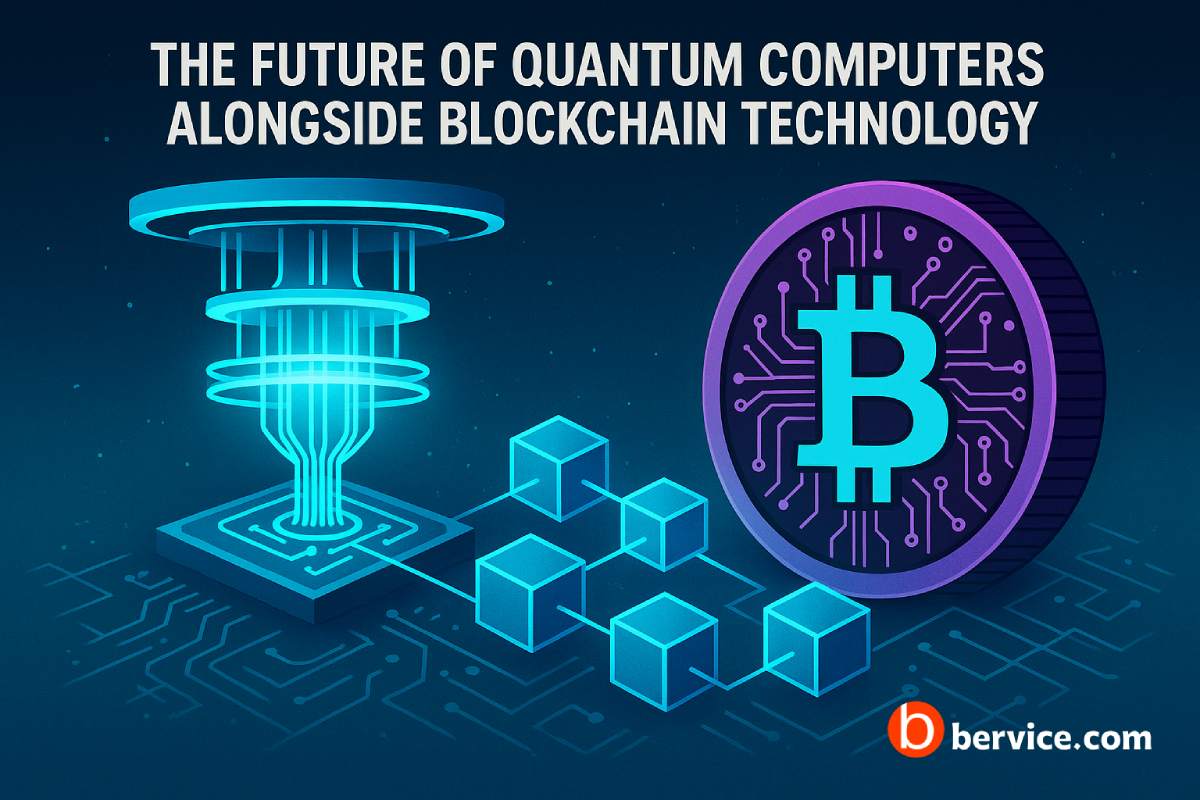
The Future of Quantum Computers Alongside Blockchain Technology
Introduction Quantum computing is one of the most disruptive technologies on the horizon, promising to solve complex problems far beyond the capabilities of today’s classical computers. At the same time, blockchain has emerged as the backbone of decentralized finance, digital identity, and distributed systems. The intersection of these two technologies poses both exciting opportunities…