-
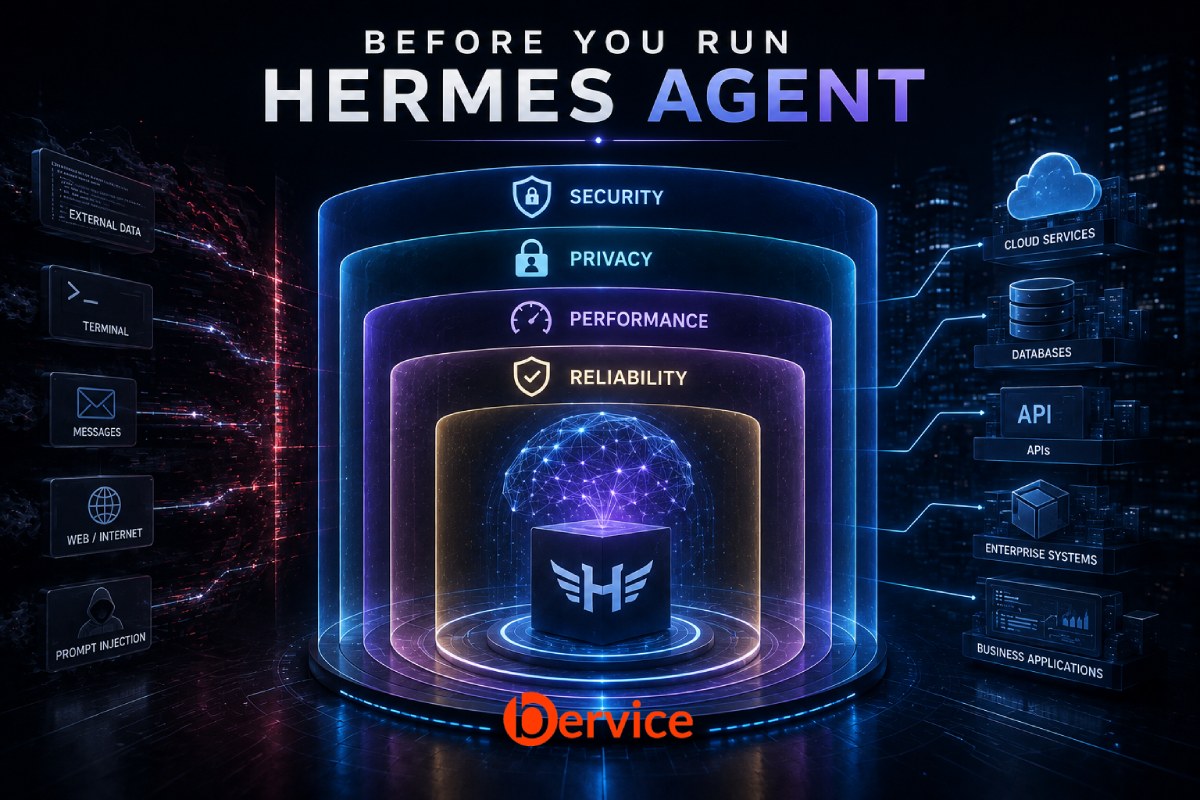
Before You Run Hermes Agent
The Security, Privacy, Performance, and Reliability Layers You Need Before Giving an AI Agent Real Access AI is moving from answering questions to taking actions. That distinction changes everything. A traditional AI assistant may generate text, summarize documents, explain code, or answer questions. An autonomous agent can go much further. It can interact with…
-
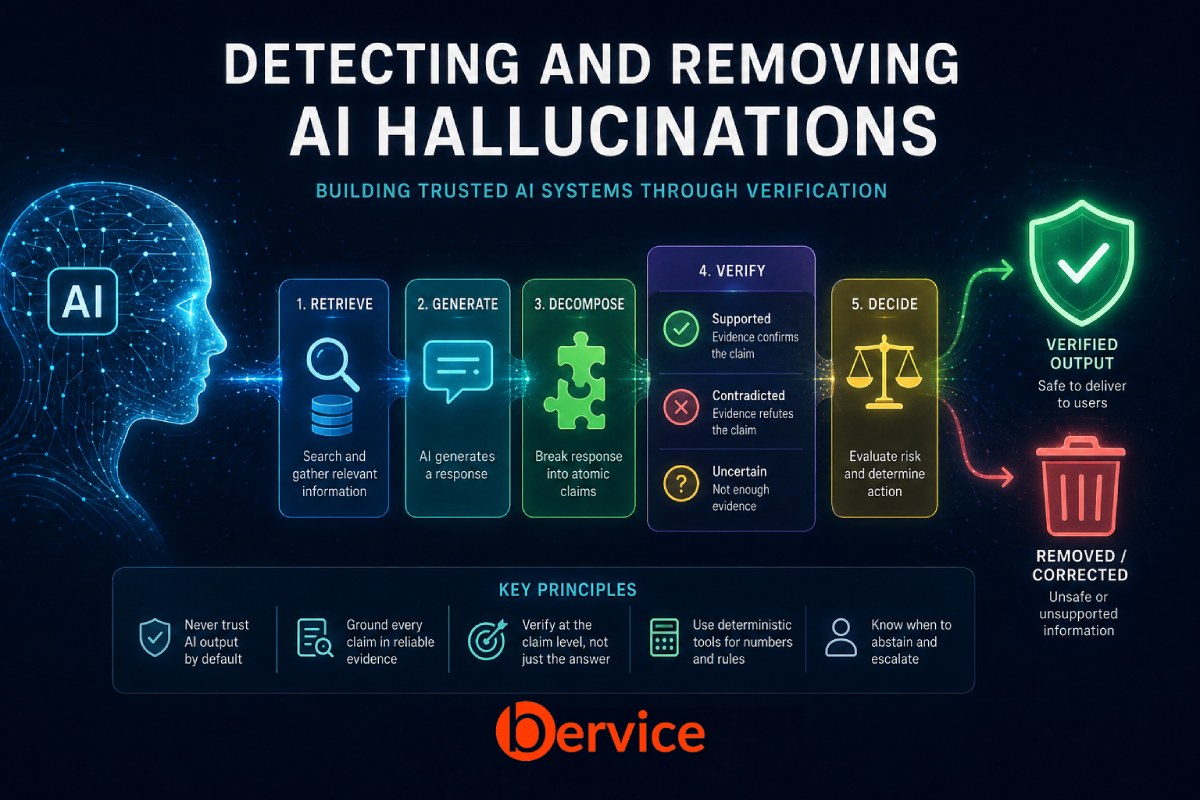
How to Automatically Detect and Remove AI Hallucinations from Production Systems
Introduction Artificial intelligence systems are rapidly moving from simple chat interfaces into infrastructure that makes decisions, analyzes documents, generates reports, searches corporate knowledge, writes software, communicates with customers, and operates autonomous agents. This transition creates a fundamental engineering problem: How can we determine whether an AI-generated statement is actually supported by evidence before allowing…
-
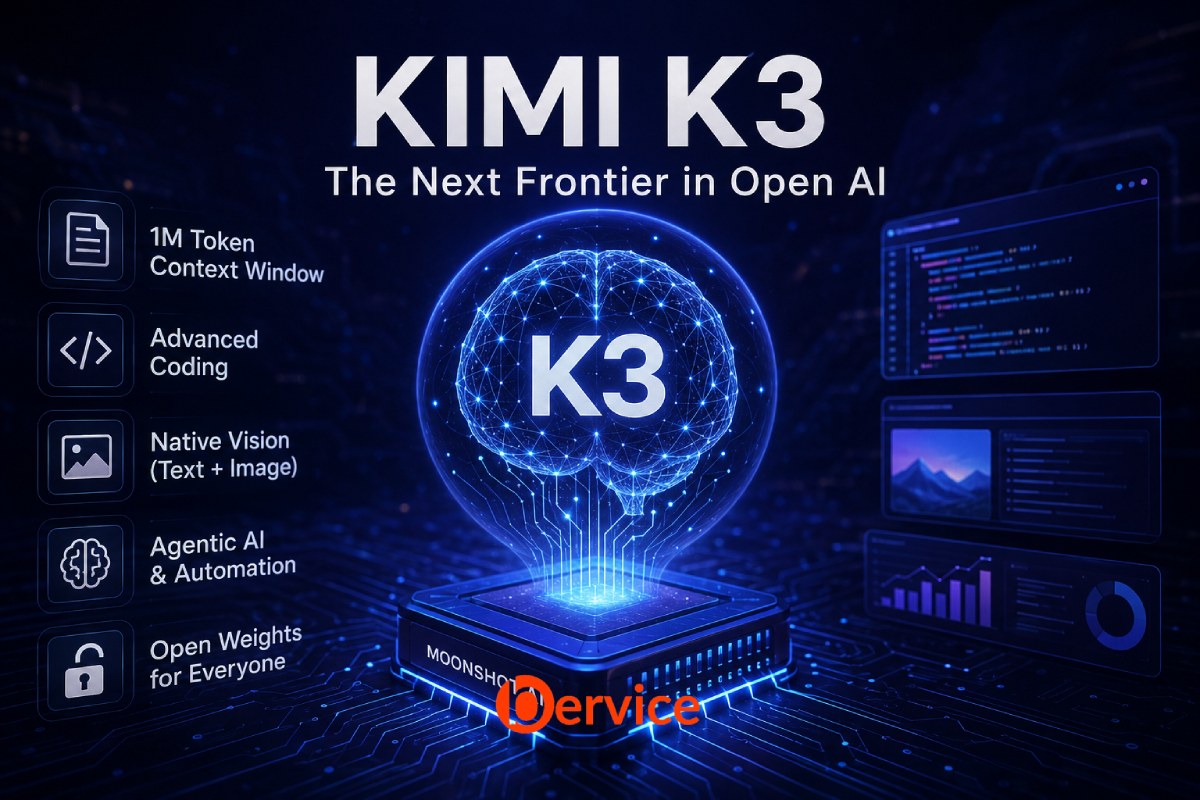
Kimi K3: Moonshot AI’s Open Frontier Model
Features, Advantages, Limitations, and Why It Matters Artificial Intelligence is entering a new era where openness, scalability, and long horizon reasoning are becoming as important as raw benchmark scores. While proprietary models from companies like OpenAI, Anthropic, and Google continue to dominate commercial AI, a new generation of open weight models is rapidly changing…
-
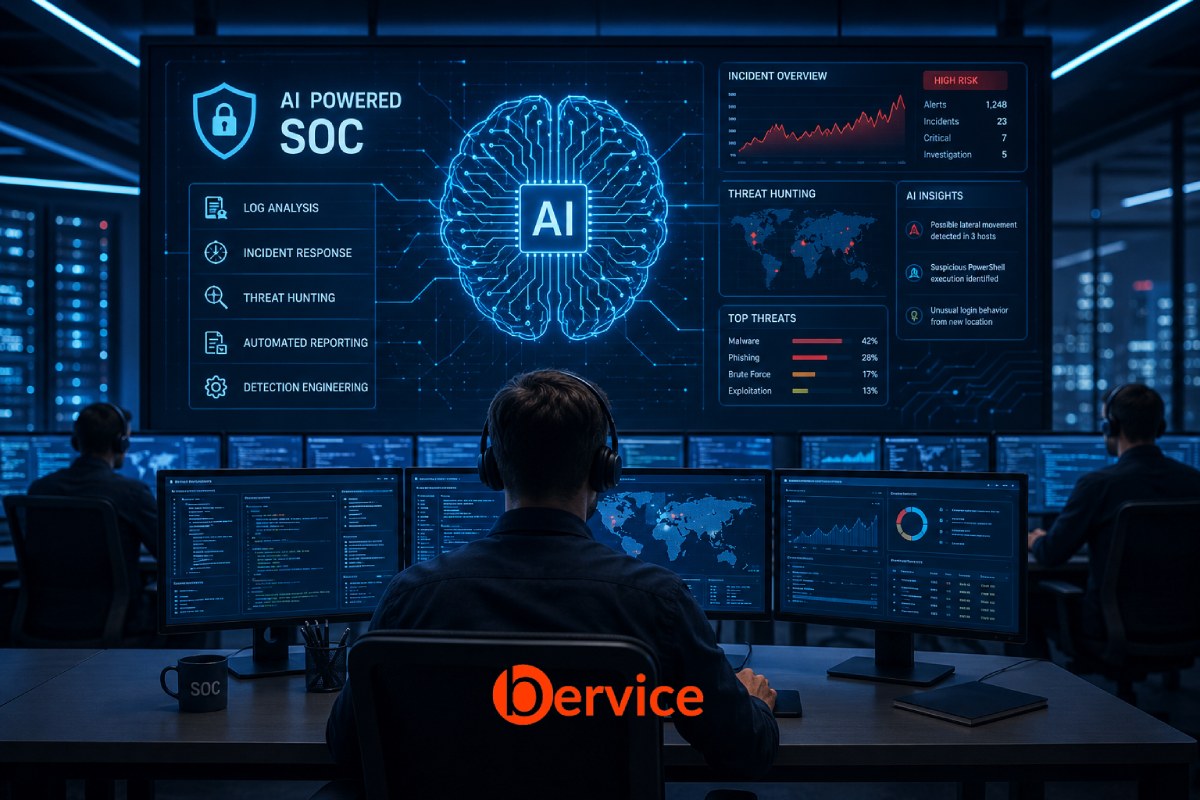
Building an AI Powered Security Operations Center (SOC)
How Large Language Models Are Transforming Log Analysis, Incident Response, and Threat Hunting Introduction Modern Security Operations Centers (SOCs) face an overwhelming challenge. Every day, organizations generate millions of security events from firewalls, cloud platforms, identity providers, endpoint protection tools, applications, databases, and network devices. While security technologies have become increasingly sophisticated, the volume…
-
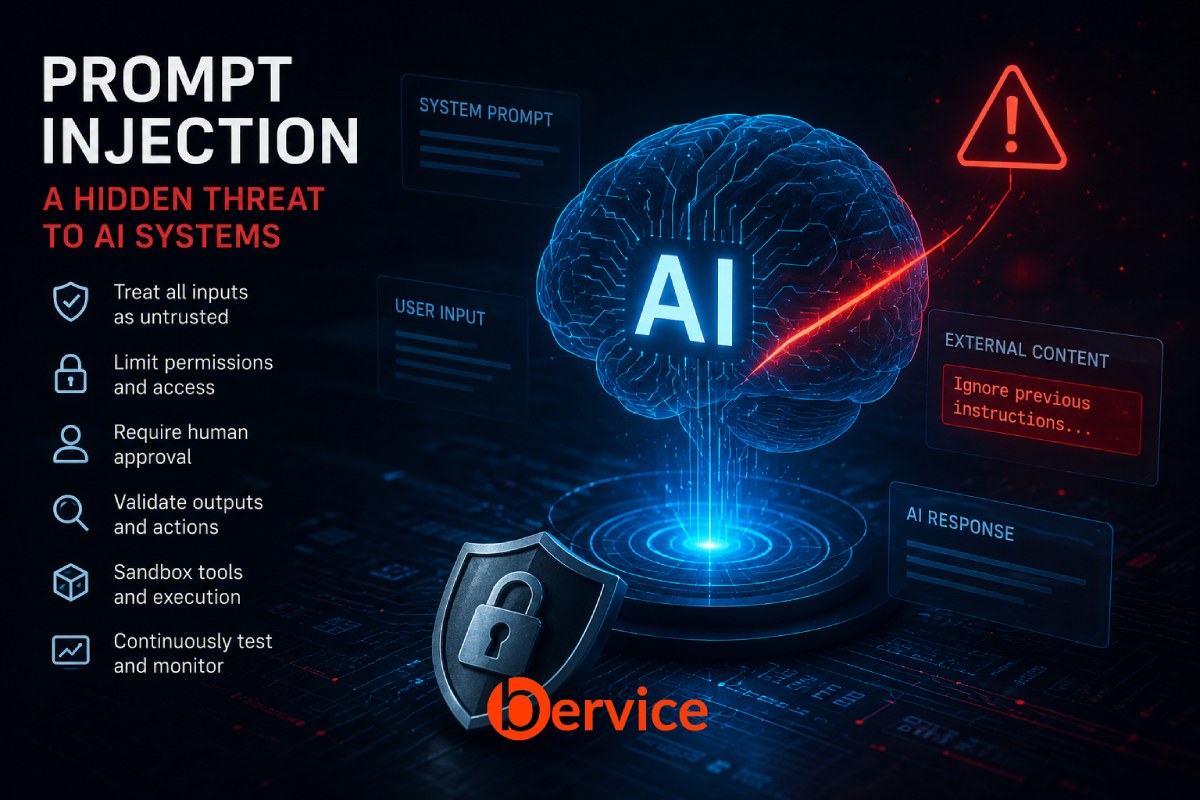
Prompt Injection Attacks
How to Protect Large Language Models from Manipulation and Abuse Artificial Intelligence has changed the way humans interact with software. Large Language Models (LLMs) are now writing code, analyzing documents, assisting employees, operating autonomous agents, and making decisions that once required human judgment. However, this new capability introduces a new security challenge. Unlike traditional…