-

Local AI Automation and the Supervisory Eye: A New Architecture for Controlled Autonomy
Artificial intelligence is rapidly moving beyond chat interfaces. It is beginning to operate software, monitor equipment, process documents, manage workflows, and make thousands of small decisions across organizations. But as AI becomes more operational, a difficult question appears: how can a business automate more without losing visibility and control? One promising answer is a…
-

How Local AI Models Can Work Together Like Puzzle Pieces Through Agent Systems
Introduction The future of artificial intelligence is not necessarily a world dominated by a single massive model. Instead, a more scalable, efficient, and intelligent future may emerge from thousands of specialized AI models working together like puzzle pieces. This concept is becoming increasingly important as organizations seek privacy, lower costs, faster performance, and greater…
-

Local AI vs Cloud-Based AI: Why Running Intelligence Locally Matters
Introduction Artificial intelligence is becoming a core layer of modern software, business operations, and personal productivity. Most people experience AI through cloud-based platforms, where data is sent to remote servers, processed by large models, and returned as answers, recommendations, summaries, or automated actions. Cloud AI has clear advantages: it is easy to access, powerful,…
-
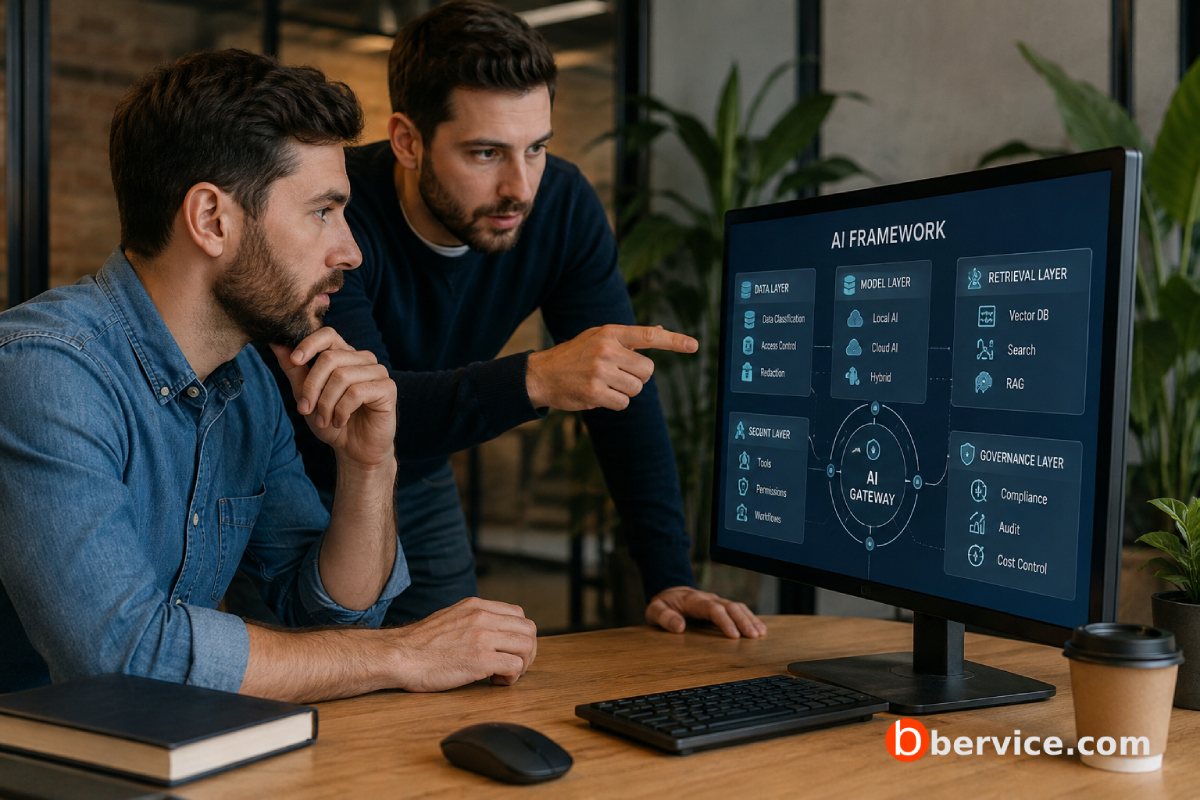
Designing a Standard and Secure Framework for Startups to Adopt AI and LLMs Locally or in the Cloud
Introduction: AI Adoption Needs More Than Excitement Artificial intelligence is quickly becoming a core part of modern business infrastructure. Startups are using AI to automate support, analyze documents, generate code, summarize meetings, improve sales workflows, assist decision-making, and personalize customer experiences. Large Language Models, or LLMs, are especially powerful because they can understand language,…
-
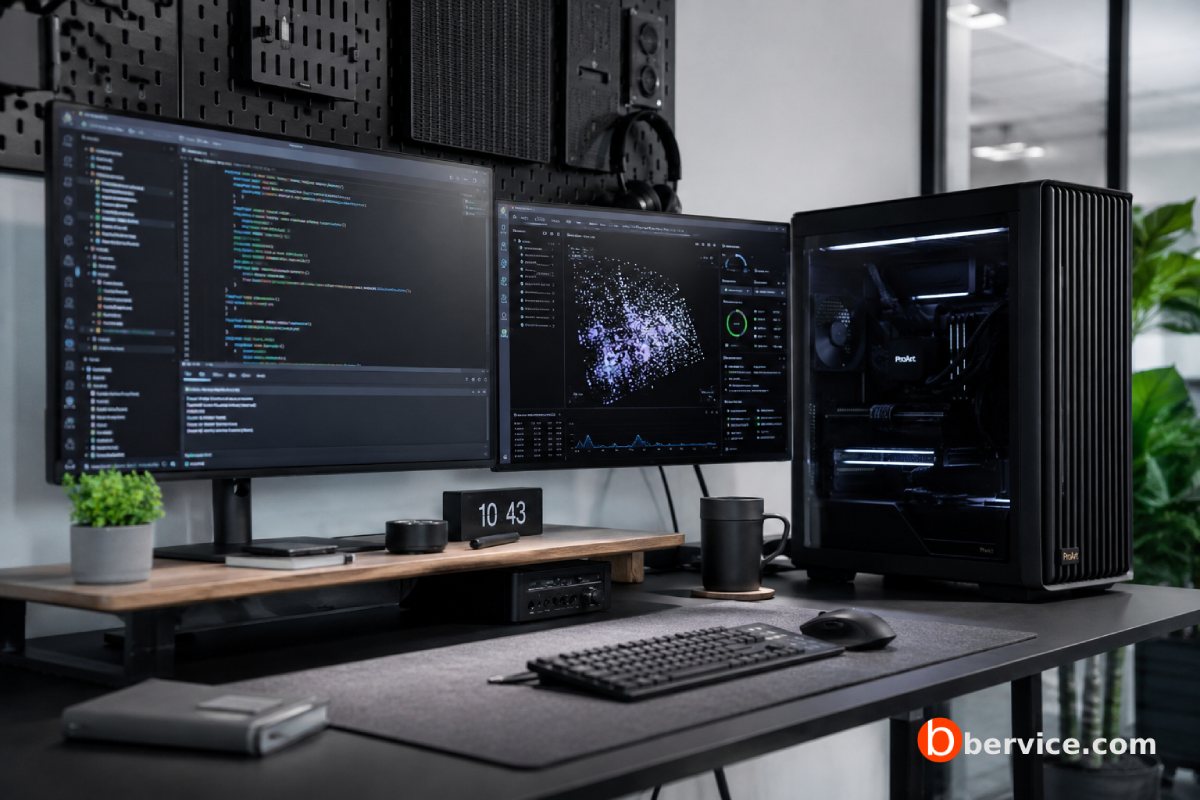
The Role of Enterprise Workstations in Building AI Infrastructure
How AI Model Developers Manage Software Complexity 1. Introduction: AI Infrastructure Is No Longer Only About the Cloud Artificial intelligence infrastructure is often discussed in terms of cloud GPUs, massive data centers, and large-scale clusters. However, enterprise workstations still play a critical role in the practical development of AI systems. For many teams, the…