-
The Future of Secure Data Storage and Transmission in the Face of AI and Quantum Computing Threats: PQC
As technological advancements continue to shape our world, one of the most critical concerns facing industries today is the security of sensitive data. With the rise of Artificial Intelligence (AI) and Quantum Computing, traditional encryption methods are increasingly vulnerable to attacks that could compromise the confidentiality and integrity of critical information. The solution to…
-
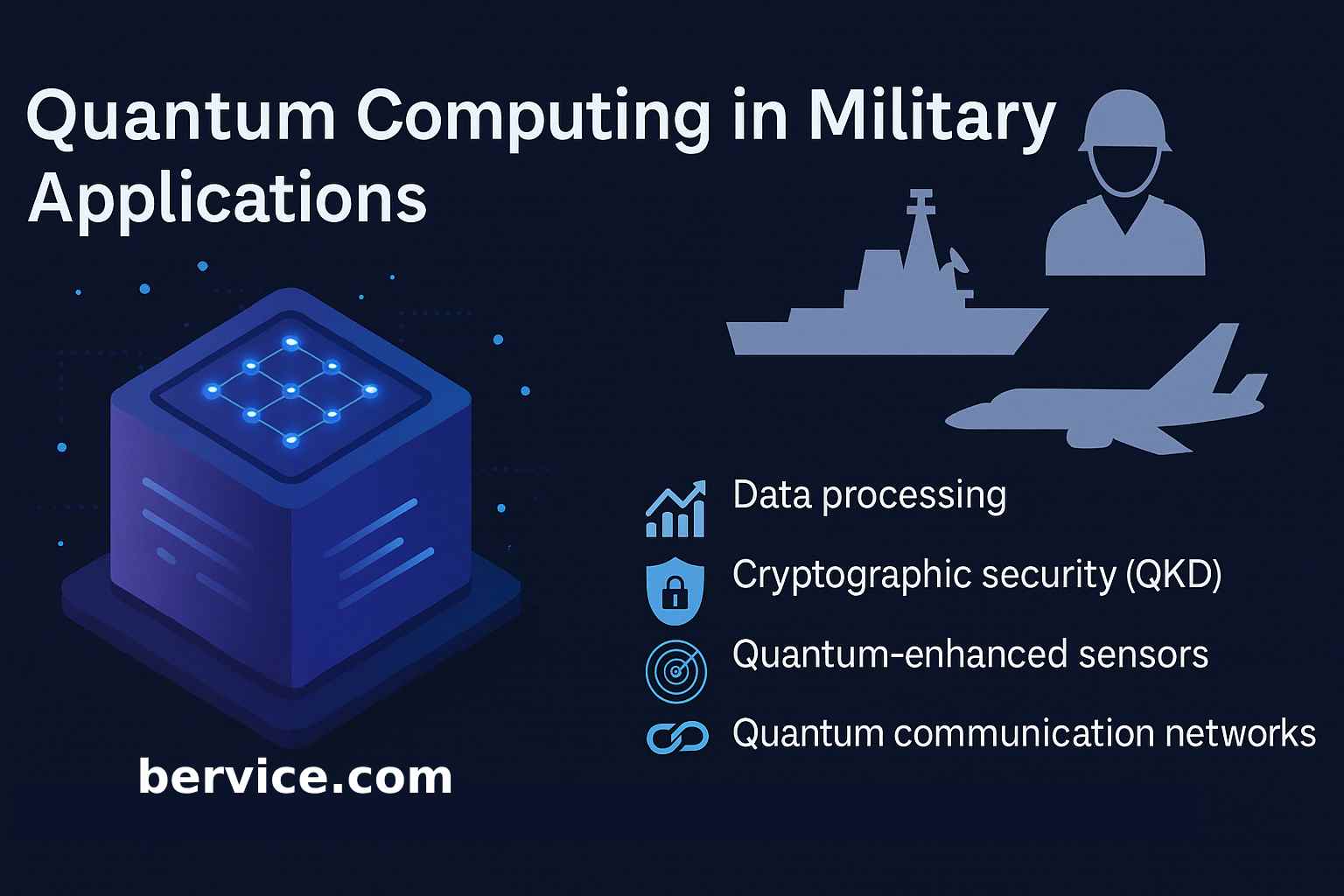
Military Applications of Quantum Computing and Data Transmission
Quantum computing has emerged as a revolutionary technology with vast potential across various industries, including defense and military applications. The fundamental principles of quantum mechanics, such as superposition, entanglement, and quantum tunneling, provide computational power far beyond the capabilities of classical computers. This opens the door to advanced military applications, ranging from secure communication…
-
Securing Data: Countering the Threats of Quantum Computers with Post-Quantum Cryptography (PQC)
The rapid advancement of quantum computing poses a significant challenge to the security of traditional encryption algorithms. Classical encryption methods, such as RSA and ECC (Elliptic Curve Cryptography), rely on the computational difficulty of problems like integer factorization and discrete logarithms. However, with the advent of quantum computers, these encryption methods are at risk…
-
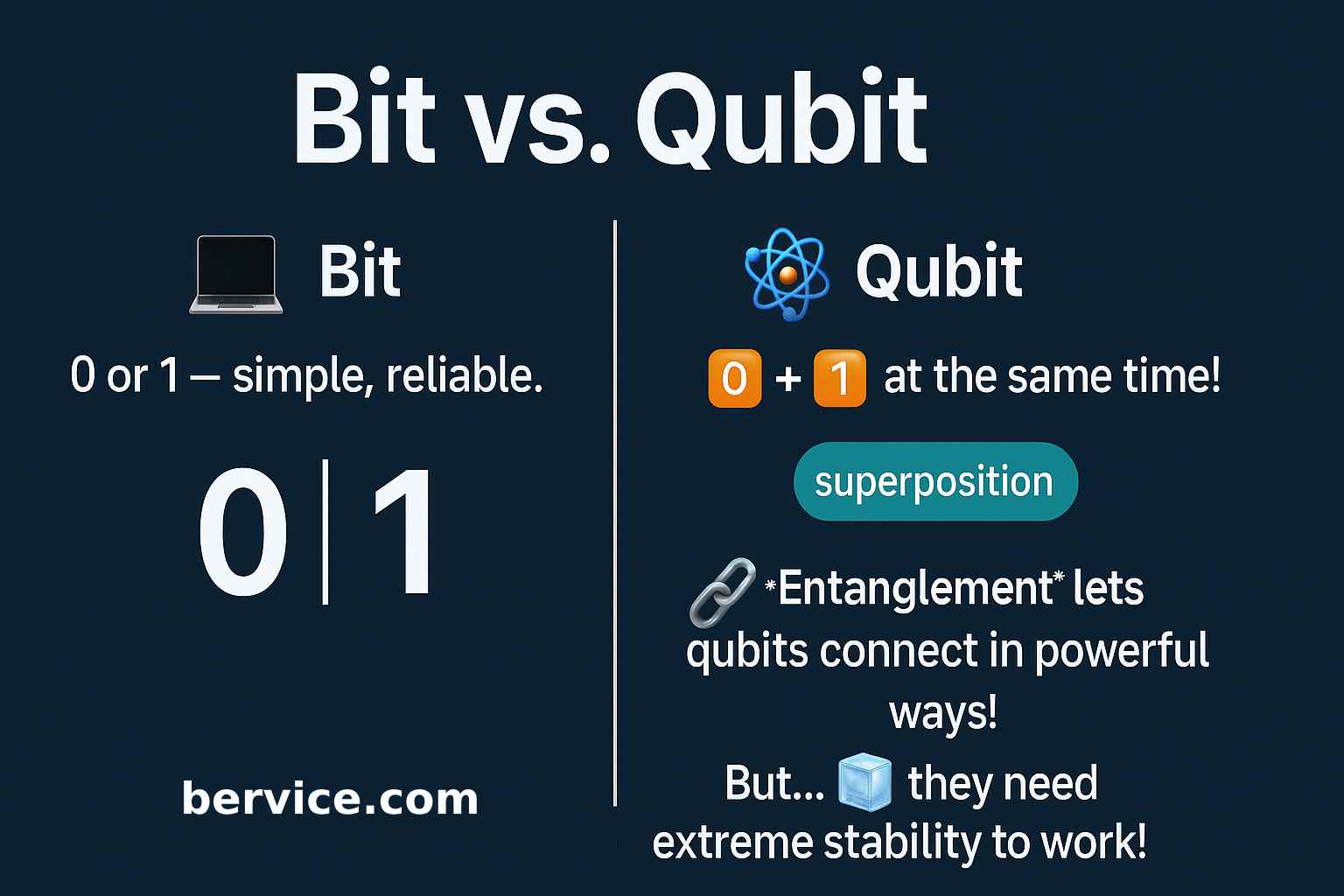
Bits vs. Qubits: Understanding the Core Difference in Quantum Computing
As we enter the age of quantum computing, a fundamental question arises: what sets a quantum bit—or qubit—apart from a classical bit? While both serve as the basic units of information in their respective paradigms, their operational principles and implications are radically different. Understanding these differences is crucial to grasping the potential and challenges…
-
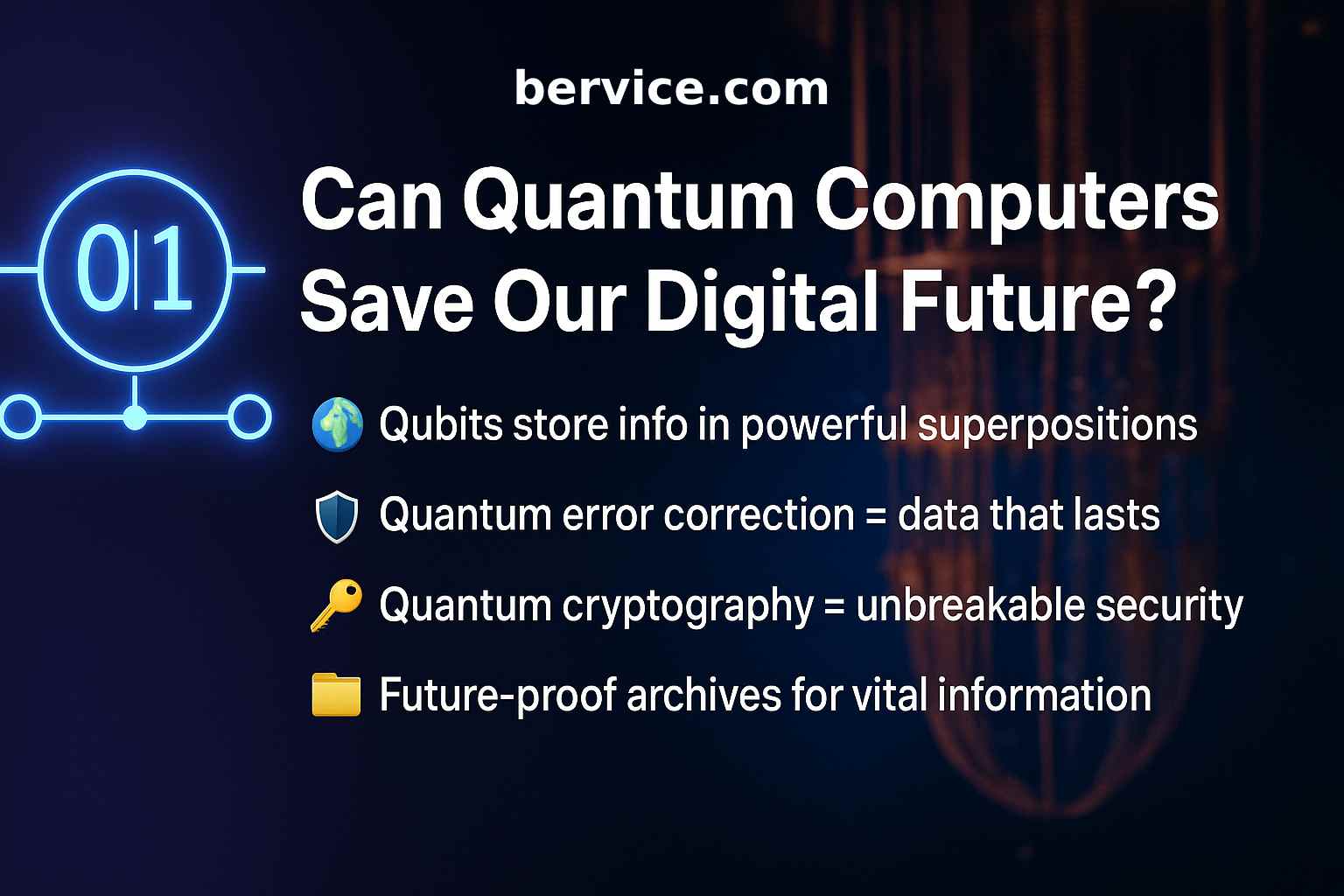
The Role of Quantum Computers in Long-Term Information Preservation
In the digital age, the preservation of information over long periods has become an increasingly critical concern. Traditional storage systems, while powerful, face numerous limitations when it comes to ensuring data integrity, resistance to degradation, and protection against obsolescence. Emerging technologies such as quantum computing offer promising new avenues for addressing these challenges. Quantum…