-

Data Security When Sending Information to LLMs and Cloud AI Systems
Introduction: The New Data Security Challenge Large Language Models and cloud-based AI systems are becoming part of daily business operations. Companies now use AI to summarize documents, write emails, analyze code, process customer messages, generate reports, search internal knowledge, and support decision-making. This creates a powerful productivity advantage, but it also introduces a serious…
-

How to Design an Organization So Employees Do Not Accidentally or Intentionally Leak Sensitive Data and Intellectual Property to AI
Introduction: AI Is Now a Data Governance Challenge Artificial intelligence is no longer only a productivity tool. It has become part of daily work across software development, marketing, sales, legal, research, customer support, product design, and operations. Employees use AI to summarize documents, write code, analyze data, prepare emails, generate strategies, debug systems, and…
-
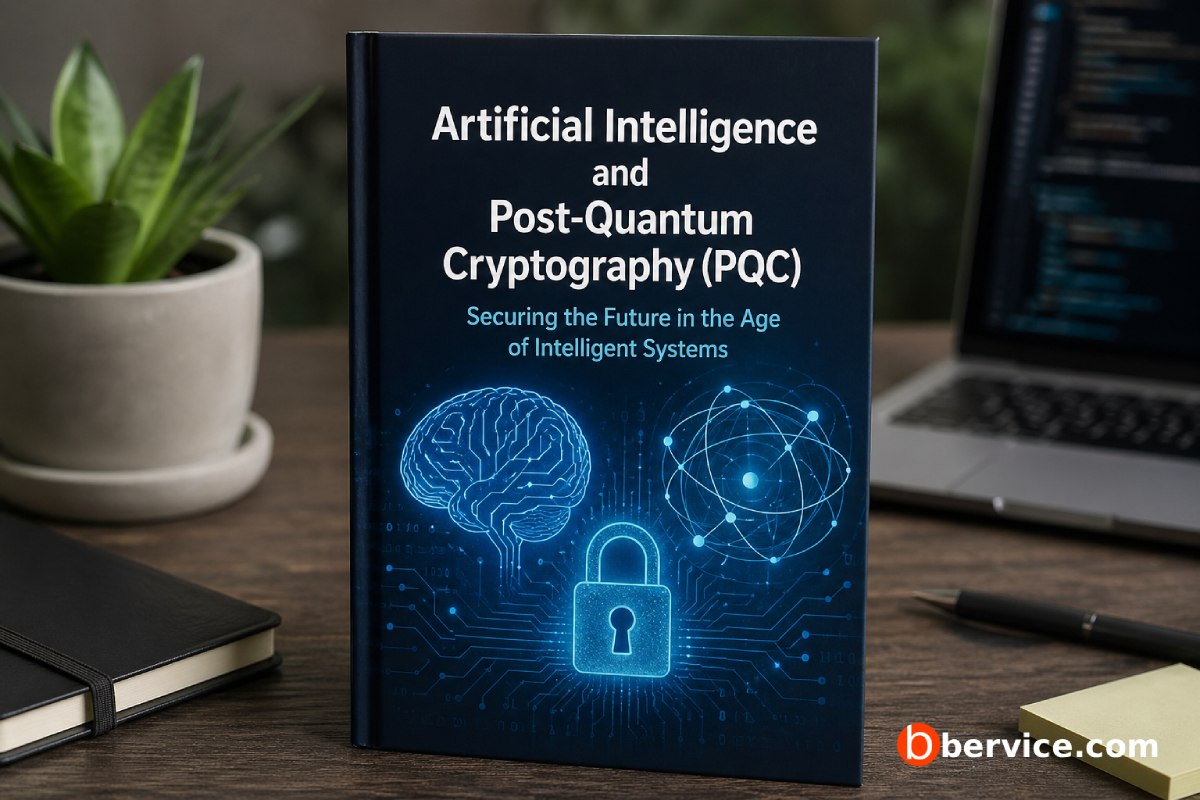
Artificial Intelligence and Post-Quantum Cryptography (PQC)
Securing the Future in the Age of Intelligent Systems 1. Introduction: Two Converging Frontiers Artificial Intelligence (AI) and Post-Quantum Cryptography (PQC) represent two of the most transformative technological forces shaping the future. While AI is accelerating automation, decision-making, and system intelligence, quantum computing threatens to break the very cryptographic foundations that secure today’s digital…
-

Why Artificial Intelligence Needs Data, and What You Must Protect When Sharing Your Information with Online and Cloud Based AI Platforms
Introduction Artificial intelligence does not improve in isolation. It becomes more useful, accurate, adaptive, and capable through exposure to data. Data allows AI systems to recognize patterns, understand language, refine predictions, personalize outputs, and improve performance over time. In simple terms, data is the raw material that powers the learning, adjustment, and practical value…
-
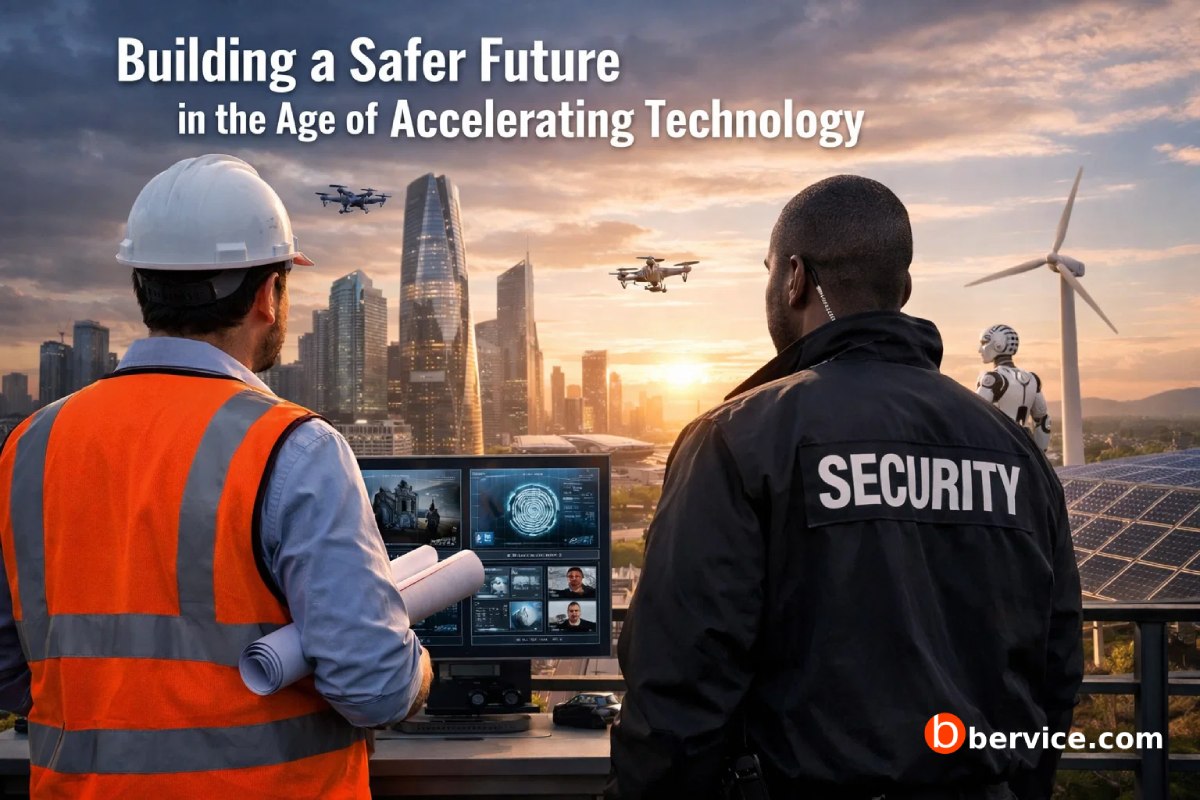
Building a Safer Future in the Age of Accelerating Technology
1. We Are Building the Future, Whether We Intend to or Not Humanity is actively constructing the future through rapid technological progress. This future is not distant or abstract. It is unfolding in real time, shaped by exponential growth in computing power, connectivity, and automation. Every system we deploy today quietly defines the constraints…