-
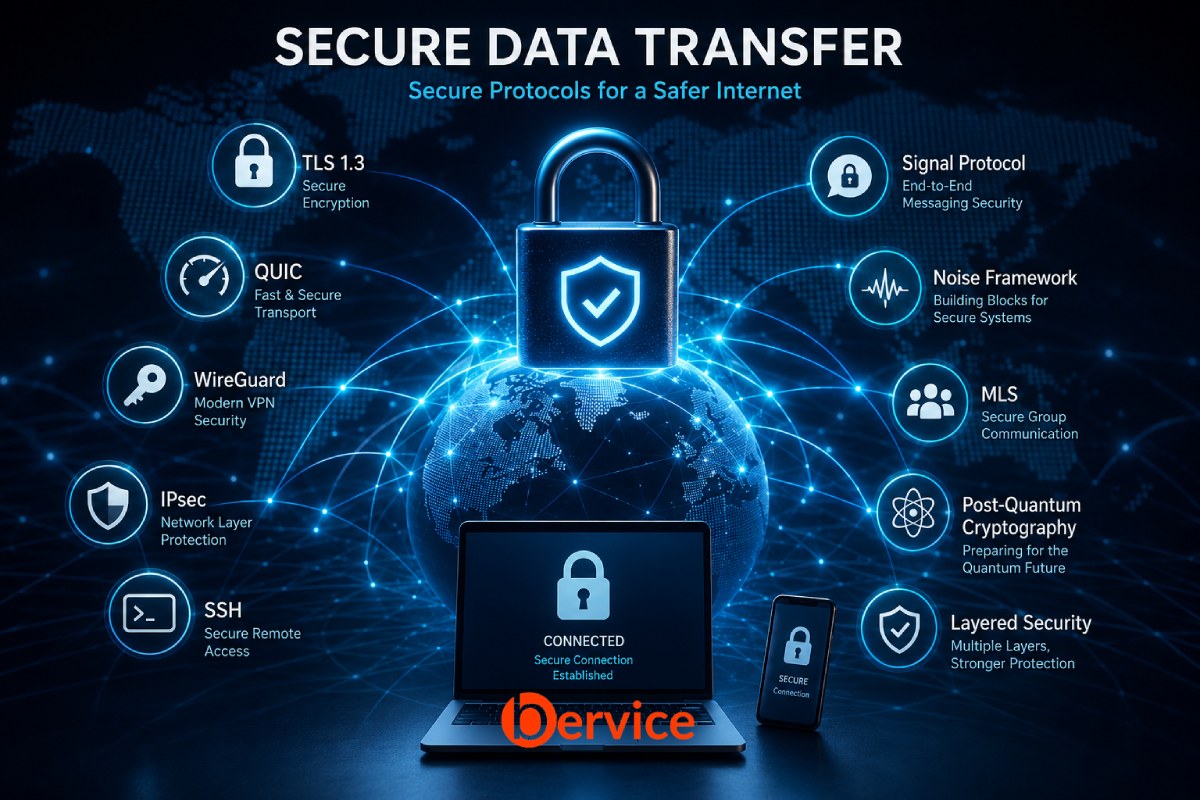
Beyond HTTPS: The World’s Most Secure Data Transfer Protocols in the Age of Cyber Warfare
Why Secure Communication Has Become a Strategic Necessity Every second, trillions of bytes of data travel across the Internet. Financial transactions, healthcare records, military communications, AI model interactions, cloud infrastructure, industrial control systems, and personal conversations all rely on digital networks. Yet many people mistakenly assume that “using HTTPS” means their information is completely…
-

Privacy Is the Next Battlefield: How to Protect Your Personal Information Before the AI Industrial Revolution Changes Everything
Artificial Intelligence is transforming the world at an unprecedented pace. Every day, AI systems become better at understanding language, recognizing faces, predicting behavior, generating content, and making decisions that once required human intelligence. This revolution promises incredible advances in healthcare, education, transportation, science, and business. But behind this progress lies an uncomfortable reality. The…
-

Blockchain, Privacy, and Artificial Intelligence: Building Trust Without Sacrificing Anonymity
Introduction Artificial Intelligence is transforming the way people communicate, work, and make decisions. At the same time, blockchain technology is redefining digital trust by enabling transparent, decentralized, and tamper resistant systems. Yet one important challenge remains unresolved: How can AI interact with users while preserving their privacy and anonymity? Today, most AI systems rely…
-
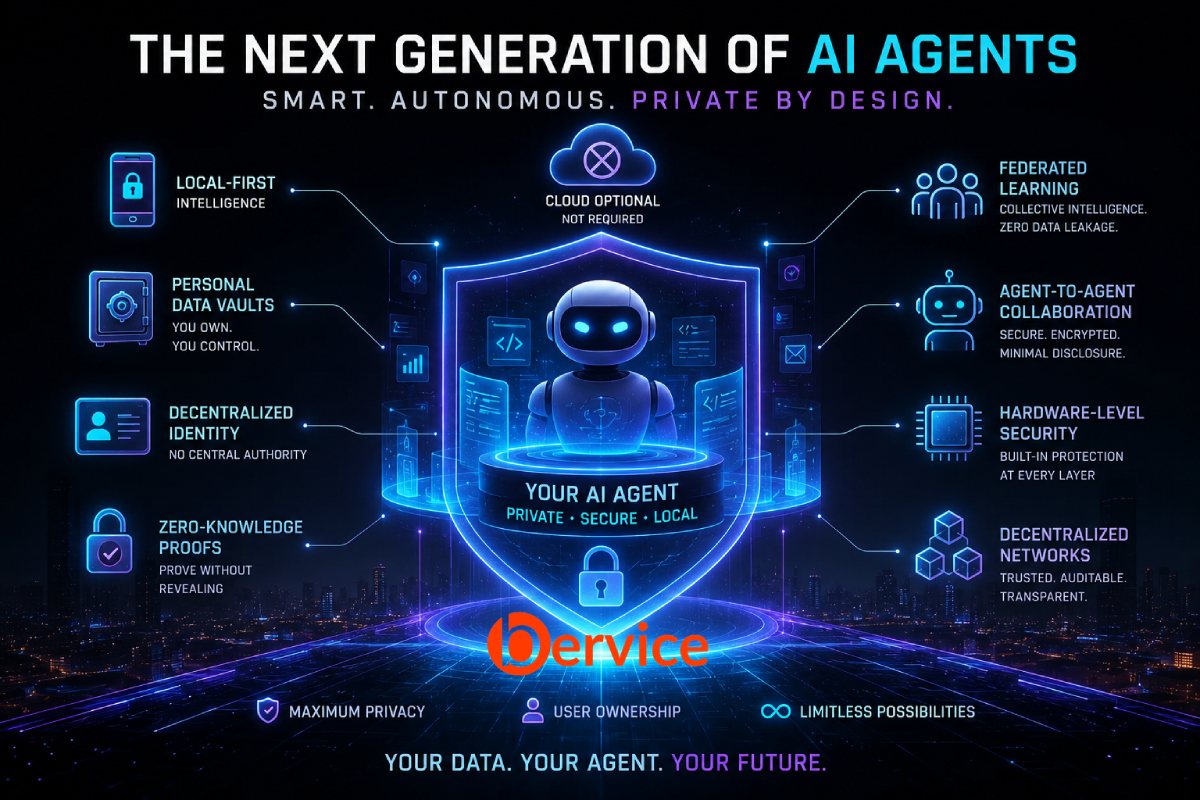
The Next Generation of AI Agents: Building a Future Where Privacy Comes First
Introduction Artificial Intelligence agents are rapidly evolving from simple assistants into autonomous digital entities capable of performing complex tasks on behalf of users. Today’s agents can schedule meetings, manage emails, conduct research, analyze data, and interact with various online services. However, as their capabilities grow, so do concerns about privacy, surveillance, data ownership, and…
-

How to Improve Information Security When Using Cloud-Based LLMs: Organizational and Business Strategies
1. Introduction: Cloud LLMs Are Powerful, but They Change the Security Model Cloud-based Large Language Models are becoming part of daily business operations. Companies use them for customer support, software development, document analysis, legal review, marketing, HR, finance, research, and decision-making. The value is clear: faster workflows, better automation, lower operational costs, and access…