-
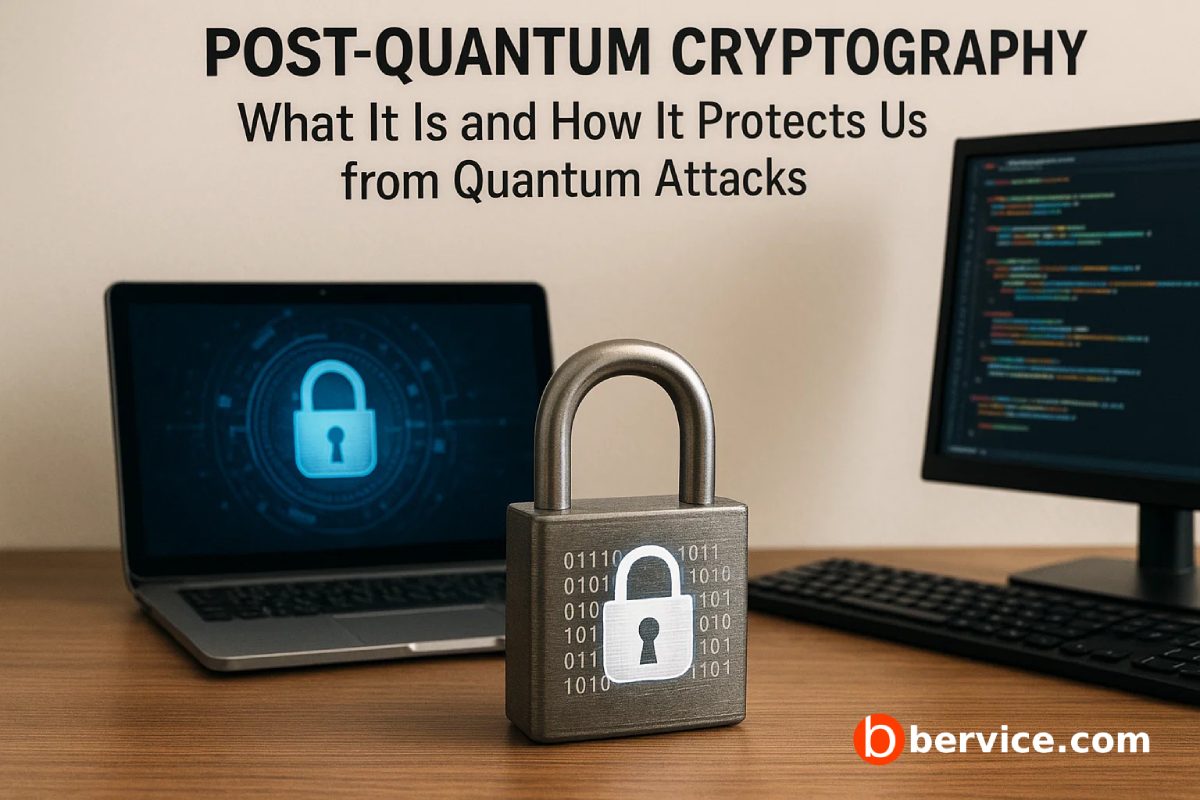
Post-Quantum Cryptography: What It Is and How It Protects Us from Quantum Attacks
Introduction The digital world depends on cryptography that was designed for classical computers. Protocols like RSA, Diffie–Hellman, and elliptic-curve cryptography (ECC) secure everything payments, messaging, software updates, VPNs, authentication.But here’s the uncomfortable truth: a sufficiently powerful quantum computer can break all of them using Shor’s algorithm. This is exactly why post-quantum cryptography exists. PQC…
-
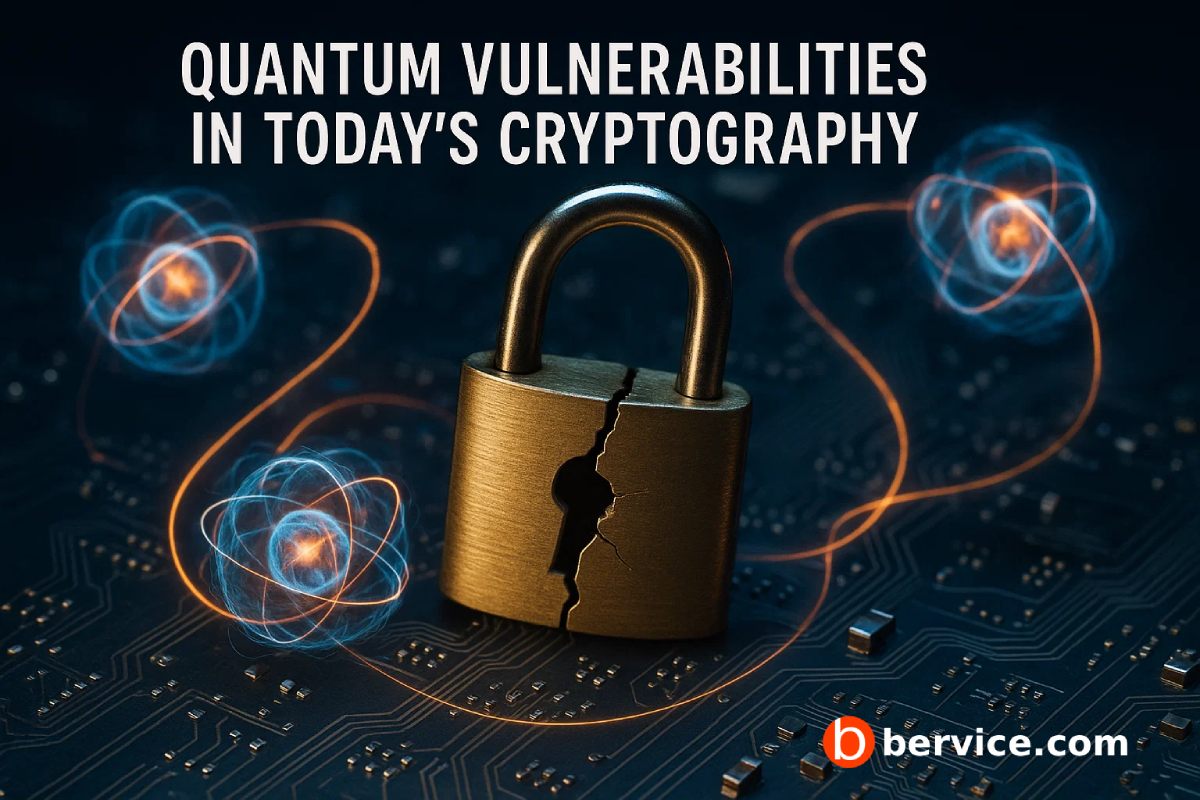
Quantum Vulnerabilities in Today’s Cryptography
A Historical Perspective and a Forward-Looking Defense Strategy For decades, modern cryptography has relied on mathematical problems assumed to be computationally infeasible for classical computers. Algorithms like RSA, Diffie-Hellman, and Elliptic Curve Cryptography (ECC) derive their security from the hardness of factoring large integers or solving discrete logarithms. This design has worked because no…
-

Physics vs Code: Why Google’s “Quantum Money” Challenges the Blockchain Paradigm
For the past decade, trust on the internet has been built on code. Cryptocurrencies, blockchains, and zero-knowledge proofs all rely on the hardness of certain mathematical problems. If you can’t solve them, you can’t cheat. But this foundation has a weakness: it assumes computing power grows slowly and predictably. Quantum computing breaks that assumption.…
-
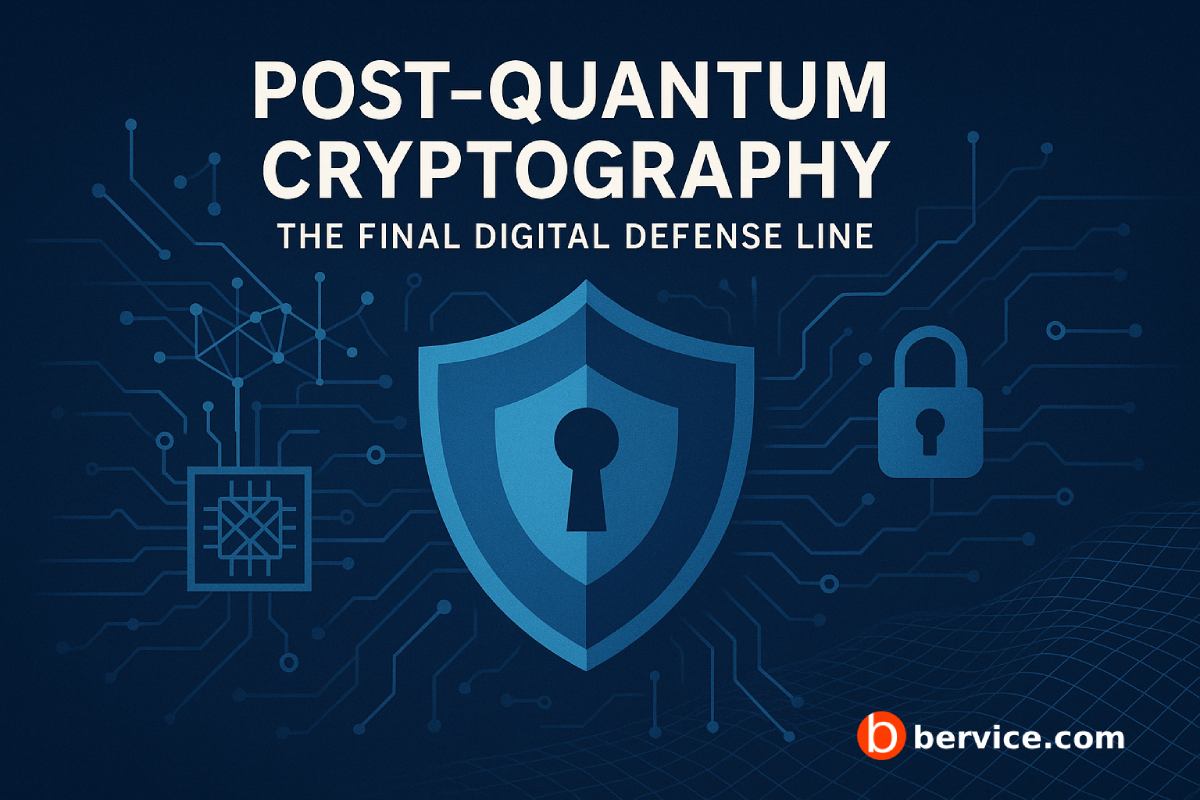
Post-Quantum Cryptography: The Final Digital Defense Line
The rapid progress of quantum computing has forced a major shift in the foundations of modern cybersecurity. Today’s most widely used cryptographic systems — RSA, Diffie-Hellman, and Elliptic Curve Cryptography (ECC) — were designed under the assumption that certain mathematical problems require an impractical amount of time to solve. Quantum computers break that assumption.…
-
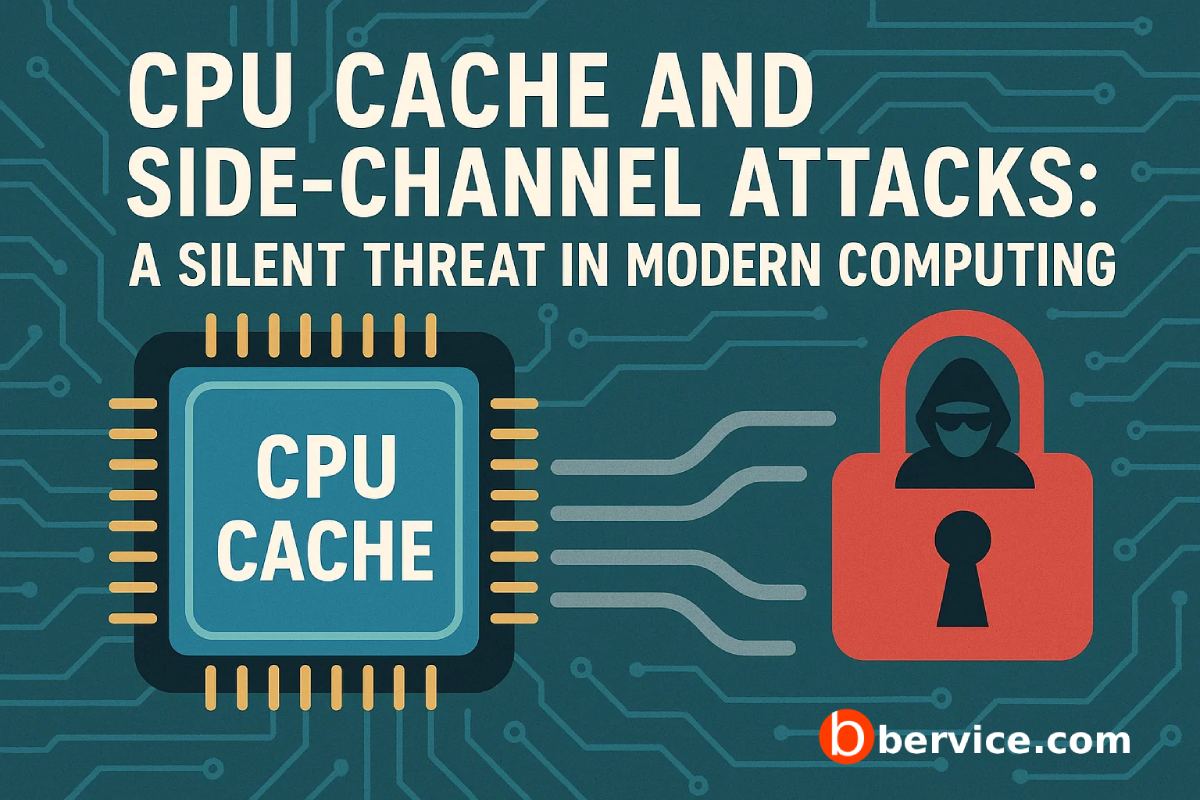
CPU Cache and Side-Channel Attacks: A Silent Threat in Modern Computing
1. Introduction: When Speed Becomes a Double-Edged Sword The CPU cache—L1, L2, and L3—is designed to make computing faster. It keeps frequently used data close to the processor, drastically reducing memory latency and improving performance. But this performance boost comes with a critical trade-off: it opens the door to side-channel attacks. These attacks don’t…