-
The Role of NIST in Security: Mission, Goals, and Global Impact
Introduction The National Institute of Standards and Technology (NIST) is a U.S. federal agency under the Department of Commerce, founded in 1901. Its original mission was to promote innovation, industrial competitiveness, and technological progress by creating measurement standards. Over time, as digital technologies and cyber threats became central to modern life, NIST took on…
-
Data Immortality: How Your Information Can Live Forever
In the digital era, the loss of data has become one of the greatest fears for individuals and organizations alike. Hard drives fail, companies collapse, and servers are wiped clean by accidents or malicious attacks. But what if data could achieve a form of immortality living on independently of any single provider, company, or…
-
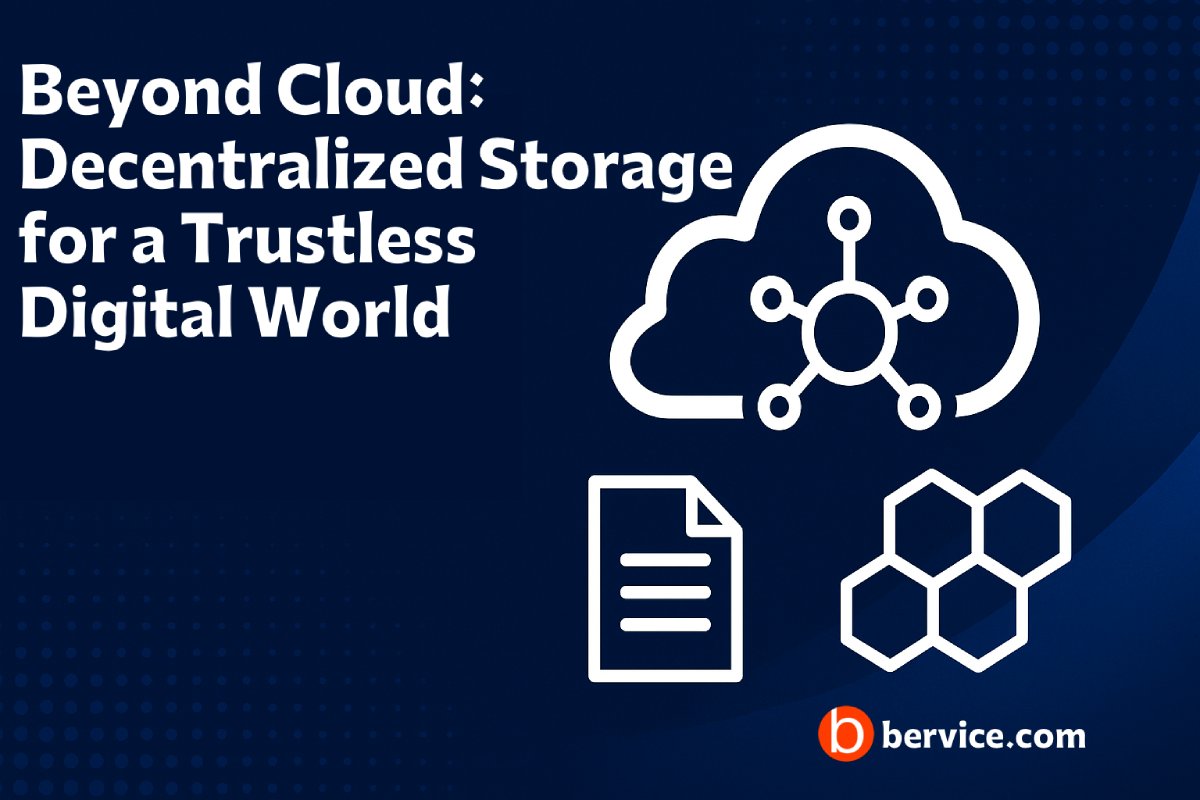
Beyond Cloud: Decentralized Storage for a Trustless Digital World
Introduction: The End of Centralized Dependence For more than two decades, cloud computing has dominated how individuals and businesses store data. From Google Drive to Amazon S3, centralized providers have offered convenience, scalability, and cost-efficiency. Yet, this reliance on a handful of corporate entities introduces risks—single points of failure, censorship, data exploitation, and vulnerability…
-
Data Immortality: When Your Files Never Die
Introduction: The End of Digital Fragility For centuries, humanity has struggled with the fragility of knowledge and memory. Stone tablets eroded, manuscripts decayed, and early hard drives failed with alarming regularity. But in the 21st century, a radical shift is underway—the idea of “data immortality”, where files, memories, and knowledge persist beyond individual lifespans,…
-
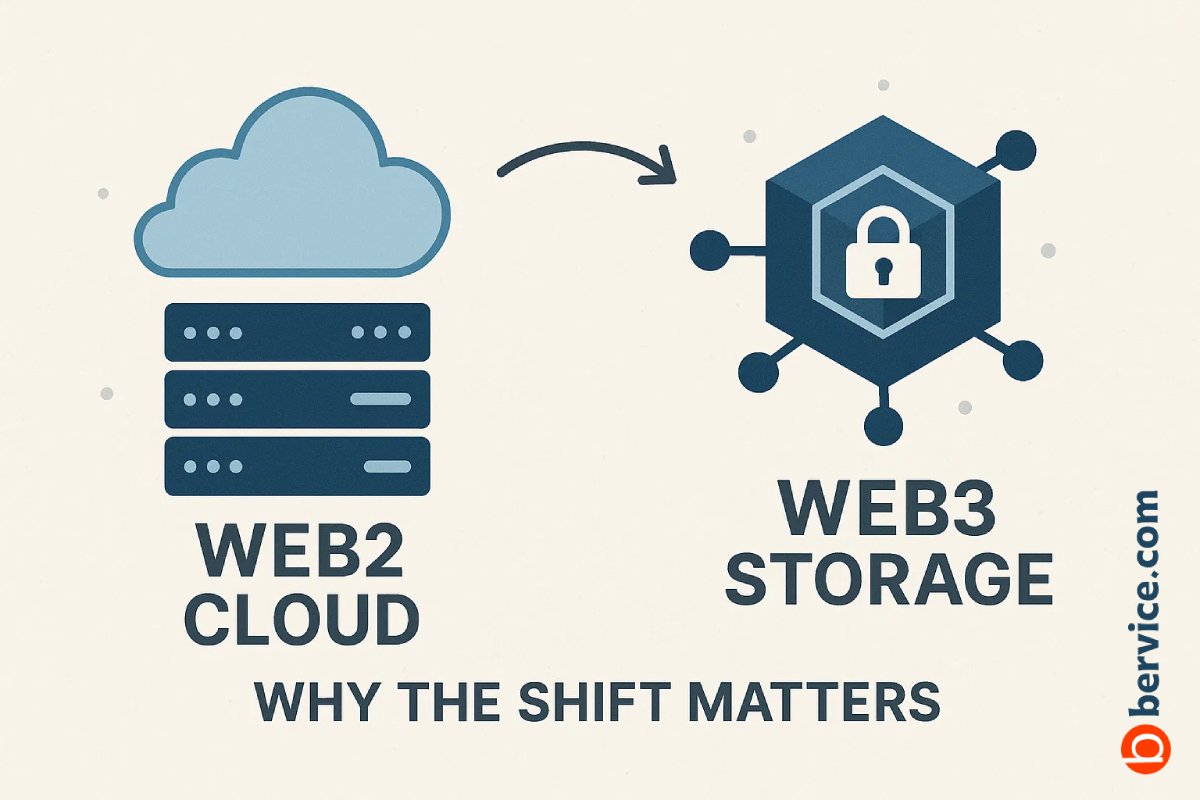
From Web2 Cloud to Web3 Storage: Why the Shift Matters
Introduction: A Paradigm Shift in Data Ownership For more than a decade, cloud storage providers like Google Drive, Dropbox, and AWS have dominated the digital landscape, making file management seamless and scalable. However, this dominance comes at a cost: users often give up control over their data in exchange for convenience. In contrast, Web3…