-
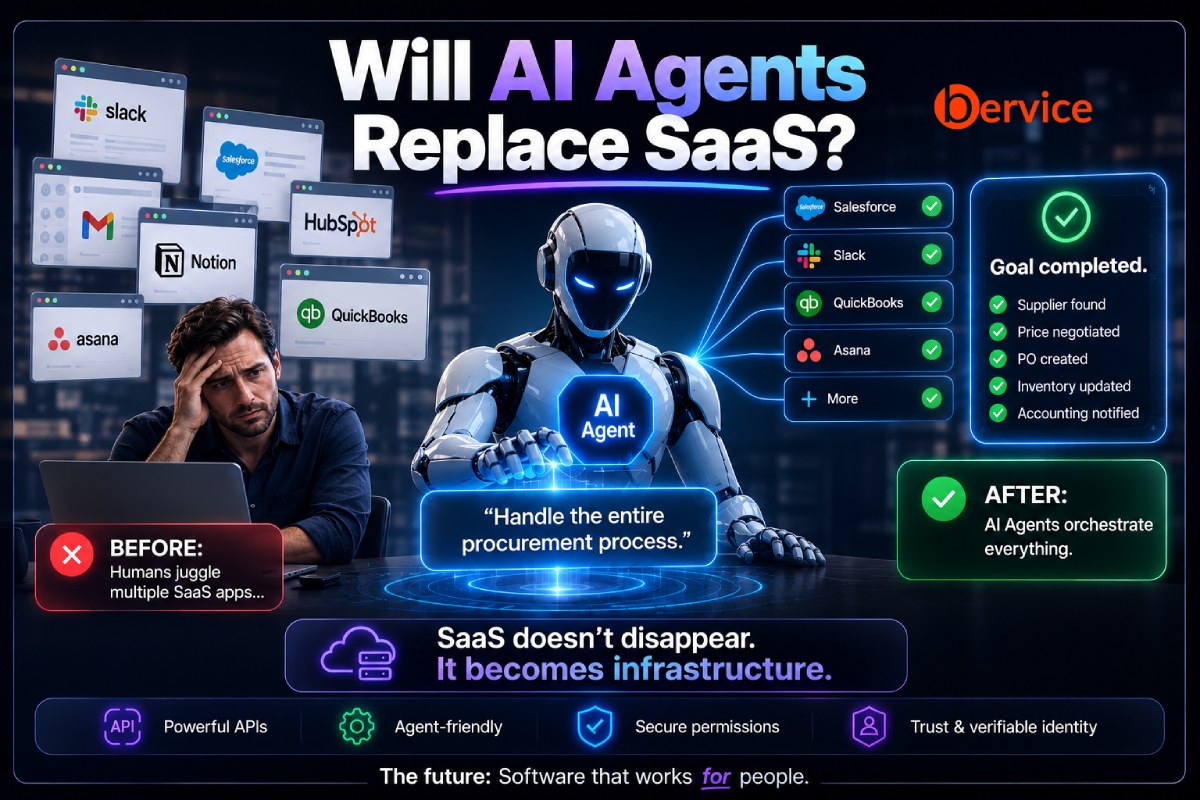
Will AI Agents Replace SaaS? Or Will They Reinvent It?
The Biggest Shift Since Cloud Computing For the past two decades, Software as a Service (SaaS) has dominated the software industry. Every business function became a separate application. CRM.ERP.HR.Accounting.Project Management.Marketing.Customer Support. Whenever a company needed a new capability, it purchased another SaaS subscription. This model created trillion dollar companies and transformed how organizations operate.…
-
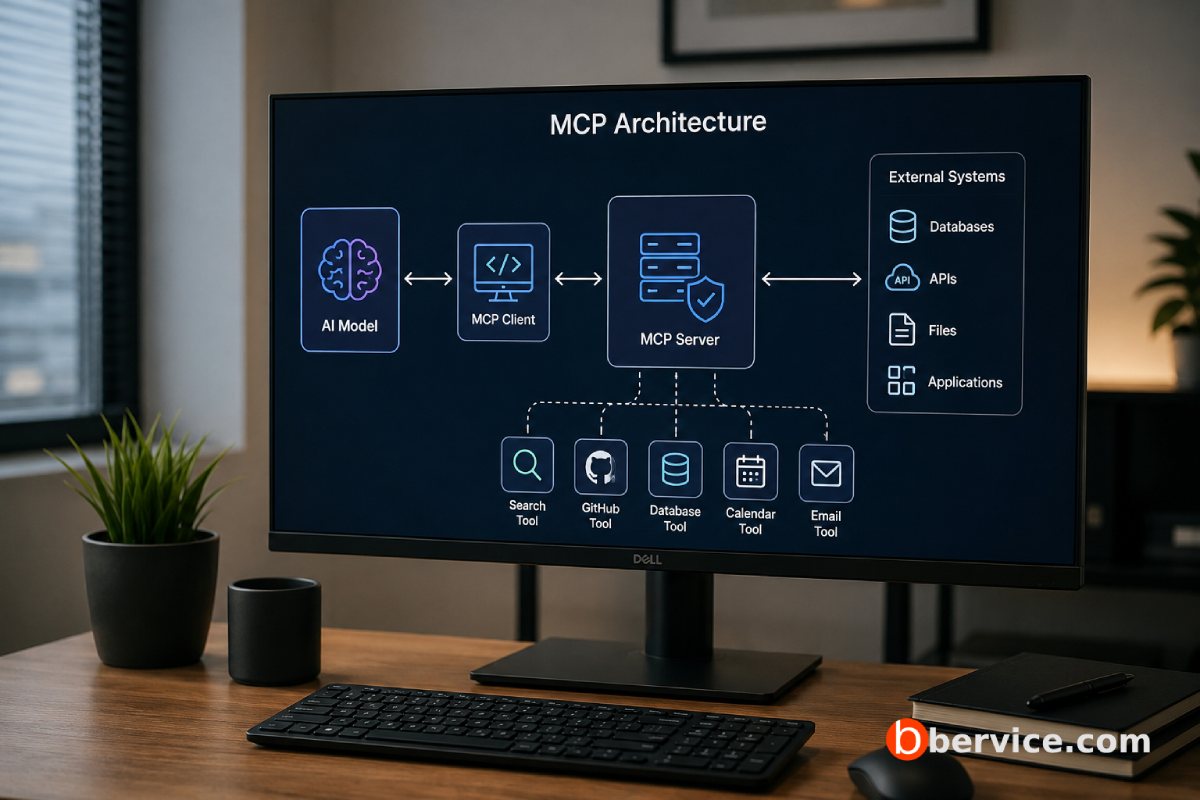
MCP Servers in Artificial Intelligence
From Beginner Concepts to Advanced Architecture Artificial Intelligence is rapidly evolving from simple chatbots into fully autonomous systems capable of reasoning, planning, coding, searching, analyzing documents, controlling software, and interacting with real-world services. One of the technologies helping enable this transformation is the rise of MCP Servers. For many people, MCP sounds highly technical…
-

Event Sourcing Storing History Instead of Final State
A Deep Dive into a Paradigm Built for Transparency, Auditability, and Time-Travel Modern software systems are increasingly expected to be auditable, resilient, and explainable. In domains like finance, banking, healthcare, and large-scale platforms, knowing what the current state is is no longer enough we must also know how we got there.This is where Event…
-

Immutable Infrastructure and the Reduction of Human Error
Human error is not a weakness of individuals it is a predictable outcome of complex systems operated under pressure. In traditional infrastructure models, servers are treated as long-lived assets. They are logged into, patched manually, configured incrementally, and “fixed” in place. Every such action introduces drift. Over time, no two servers are truly identical,…
-
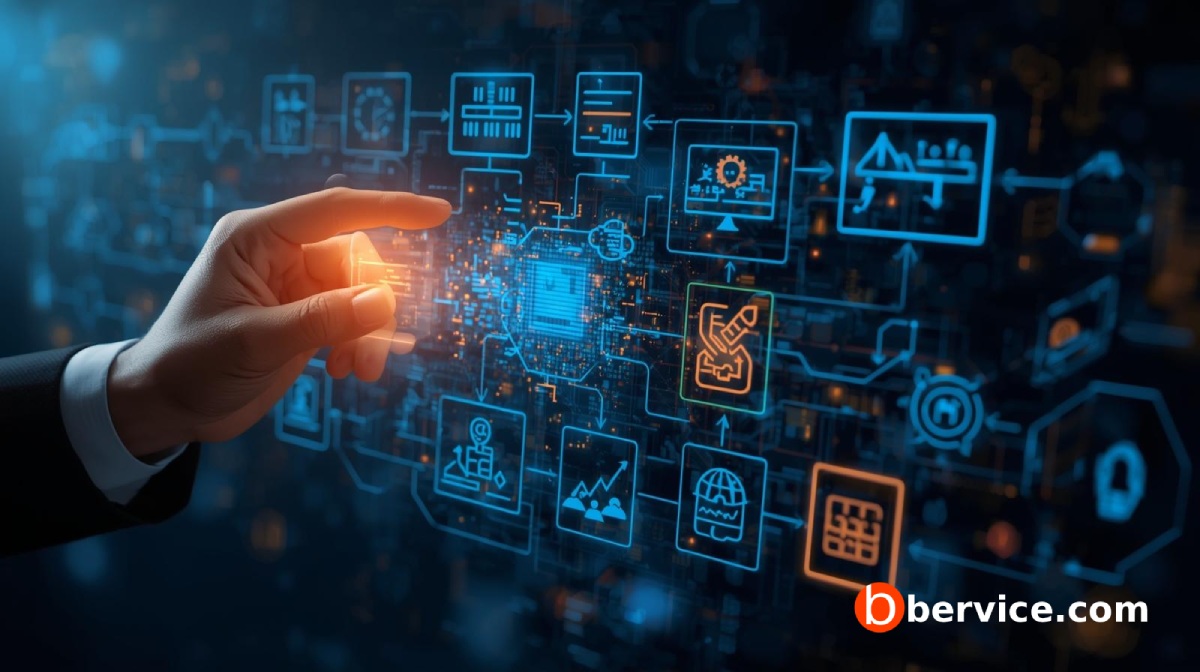
The Power of Serverless Architecture in Eliminating Infrastructure Complexity
In traditional application development, a significant portion of time and resources is spent managing infrastructure: provisioning servers, configuring environments, handling scaling, and maintaining availability. Serverless architecture fundamentally challenges this model by abstracting infrastructure management away from developers, allowing them to focus exclusively on writing business logic. Serverless does not mean “no servers.” It means…