-

Local AI Automation and the Supervisory Eye: A New Architecture for Controlled Autonomy
Artificial intelligence is rapidly moving beyond chat interfaces. It is beginning to operate software, monitor equipment, process documents, manage workflows, and make thousands of small decisions across organizations. But as AI becomes more operational, a difficult question appears: how can a business automate more without losing visibility and control? One promising answer is a…
-

Beyond Bigger Models: How Small AI Models Can Collaborate to Become a Virtual Giant
Rethinking Artificial Intelligence Through Distributed Intelligence For the past few years, the AI industry has followed a simple assumption: if we want more intelligent systems, we must build larger models. Every new generation has increased parameter counts from billions to hundreds of billions, demanding enormous computational resources, expensive GPUs, and centralized infrastructure. But what…
-

How Artificial Intelligence Is Transforming Electronic Circuit Design
Introduction Artificial Intelligence (AI) is rapidly reshaping the electronics industry. What once required weeks of manual calculations, repeated simulations, and countless hardware prototypes can now be accelerated with intelligent software capable of learning from millions of previous designs. Modern AI tools are no longer limited to automating repetitive tasks. They actively assist engineers by…
-
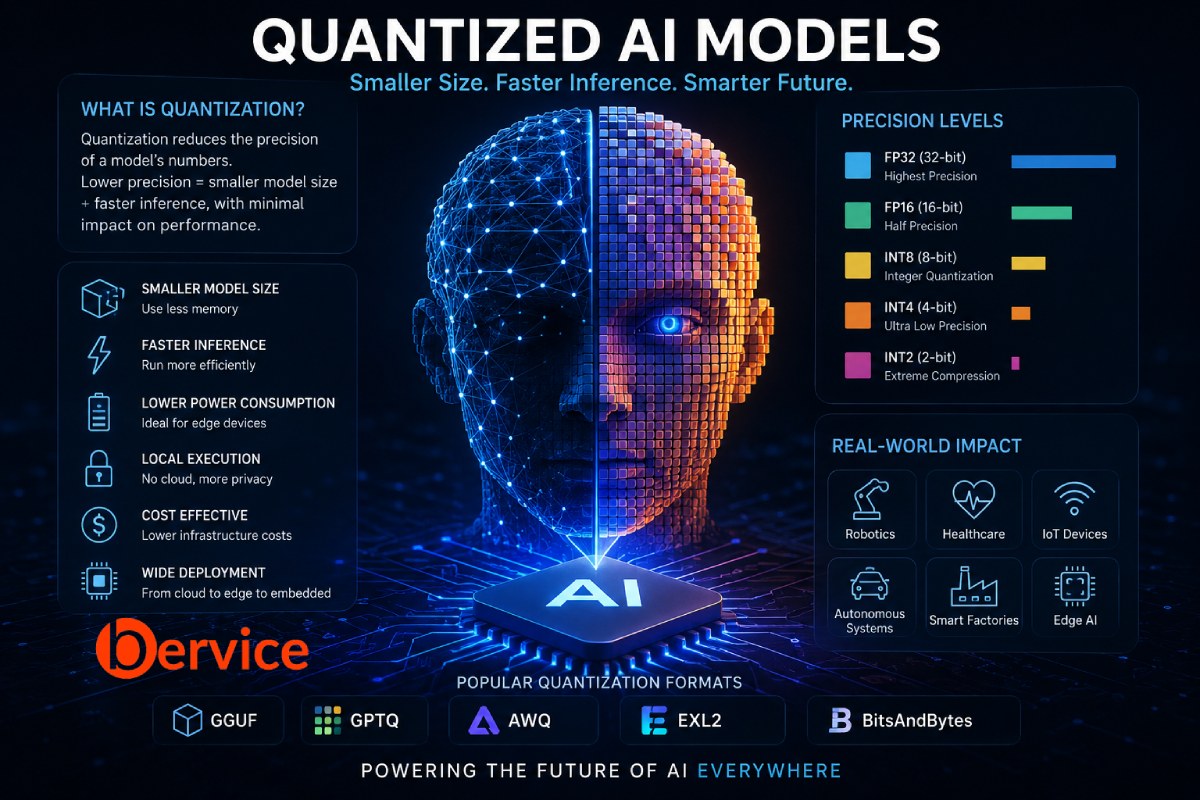
Quantized AI Models: How They Work, How They Are Built, and Why They Matter
Introduction Artificial Intelligence models have grown at an extraordinary pace. Modern Large Language Models (LLMs) often contain billions or even trillions of parameters, enabling remarkable reasoning, language understanding, programming, image generation, and scientific assistance. However, these capabilities come at a significant computational cost. Running a large AI model traditionally requires enormous amounts of GPU…
-
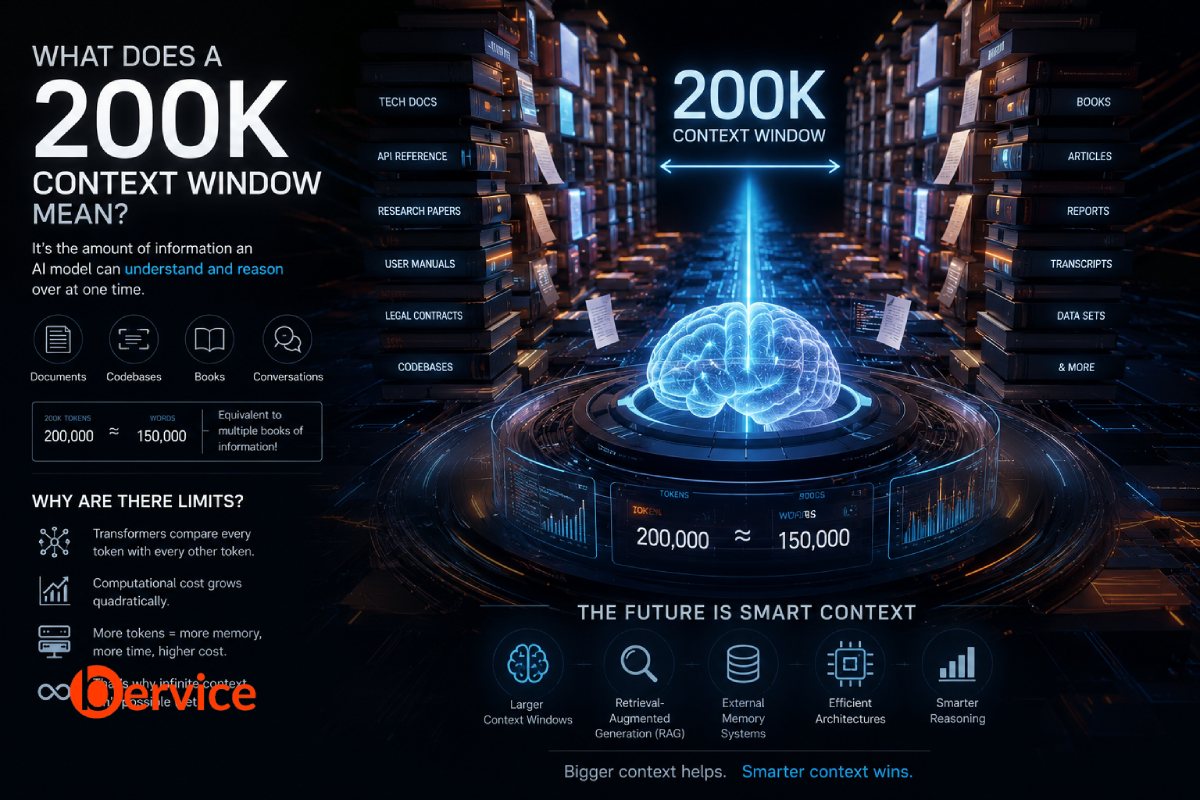
What Does a 200K Context Window Mean and Why Do Large Language Models Have Limits?
Introduction As artificial intelligence becomes more powerful, one specification appears frequently in discussions about modern Large Language Models (LLMs): the context window. You may hear statements such as: “This model supports 32K tokens.” “That model can process 128K tokens.” “The latest model offers a 200K context window.” But what do these numbers actually mean?…