-
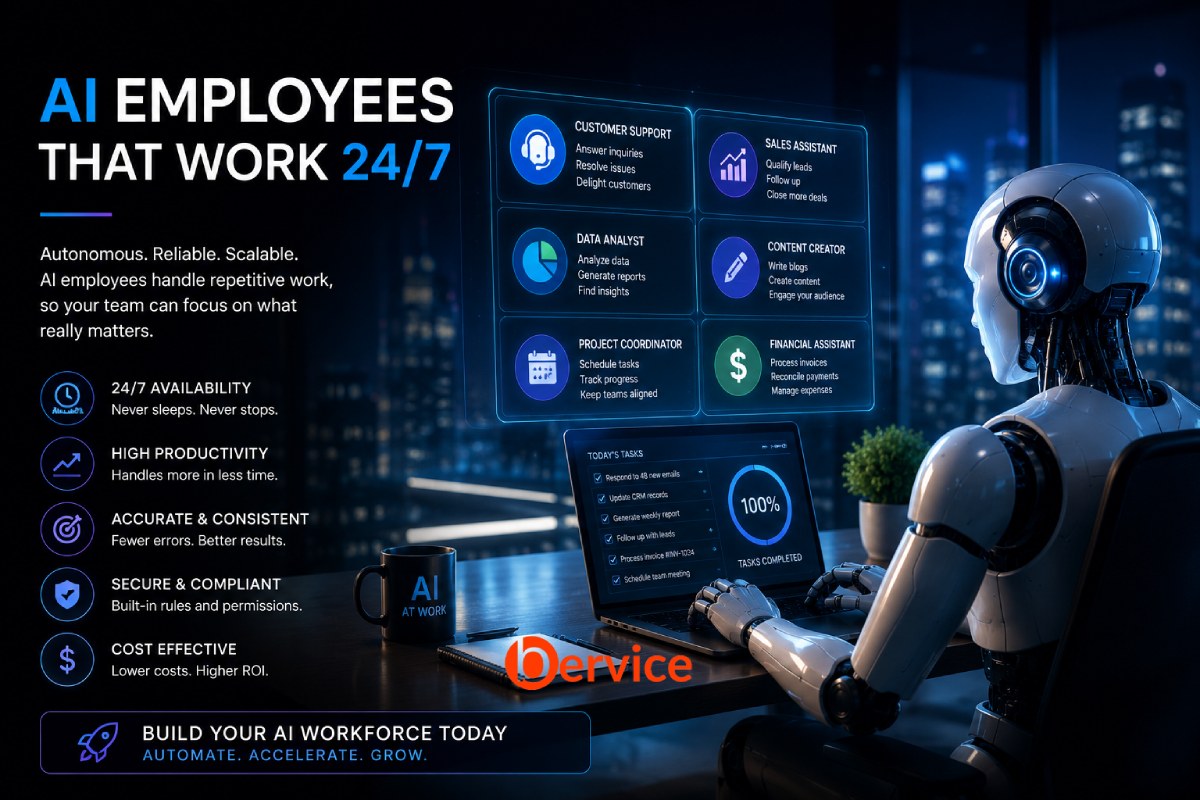
How to Build an AI Employee That Works 24/7?
Artificial Intelligence is no longer just a tool for answering questions or generating content. It is evolving into something much more valuable: a digital employee capable of performing real business tasks around the clock. Unlike traditional software, an AI employee can understand requests, make decisions within defined boundaries, communicate with customers, use business systems,…
-
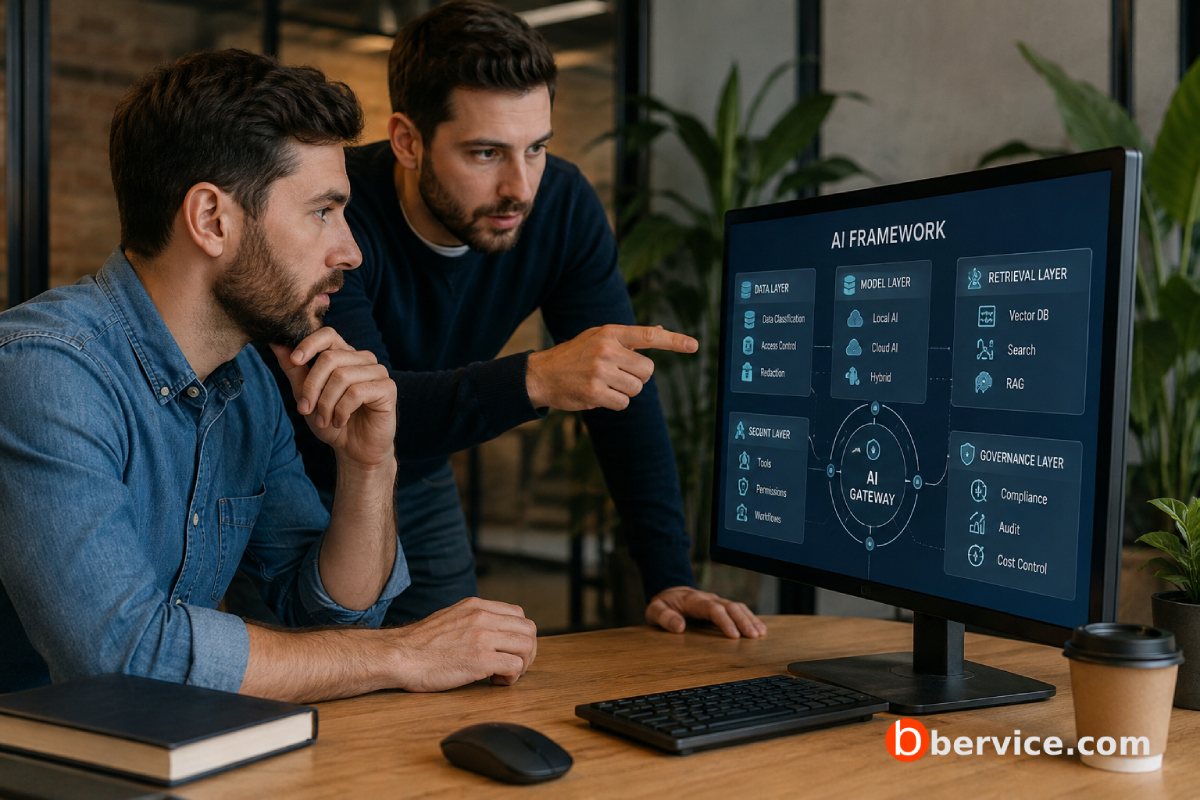
Designing a Standard and Secure Framework for Startups to Adopt AI and LLMs Locally or in the Cloud
Introduction: AI Adoption Needs More Than Excitement Artificial intelligence is quickly becoming a core part of modern business infrastructure. Startups are using AI to automate support, analyze documents, generate code, summarize meetings, improve sales workflows, assist decision-making, and personalize customer experiences. Large Language Models, or LLMs, are especially powerful because they can understand language,…
-

Data Security When Sending Information to LLMs and Cloud AI Systems
Introduction: The New Data Security Challenge Large Language Models and cloud-based AI systems are becoming part of daily business operations. Companies now use AI to summarize documents, write emails, analyze code, process customer messages, generate reports, search internal knowledge, and support decision-making. This creates a powerful productivity advantage, but it also introduces a serious…
-
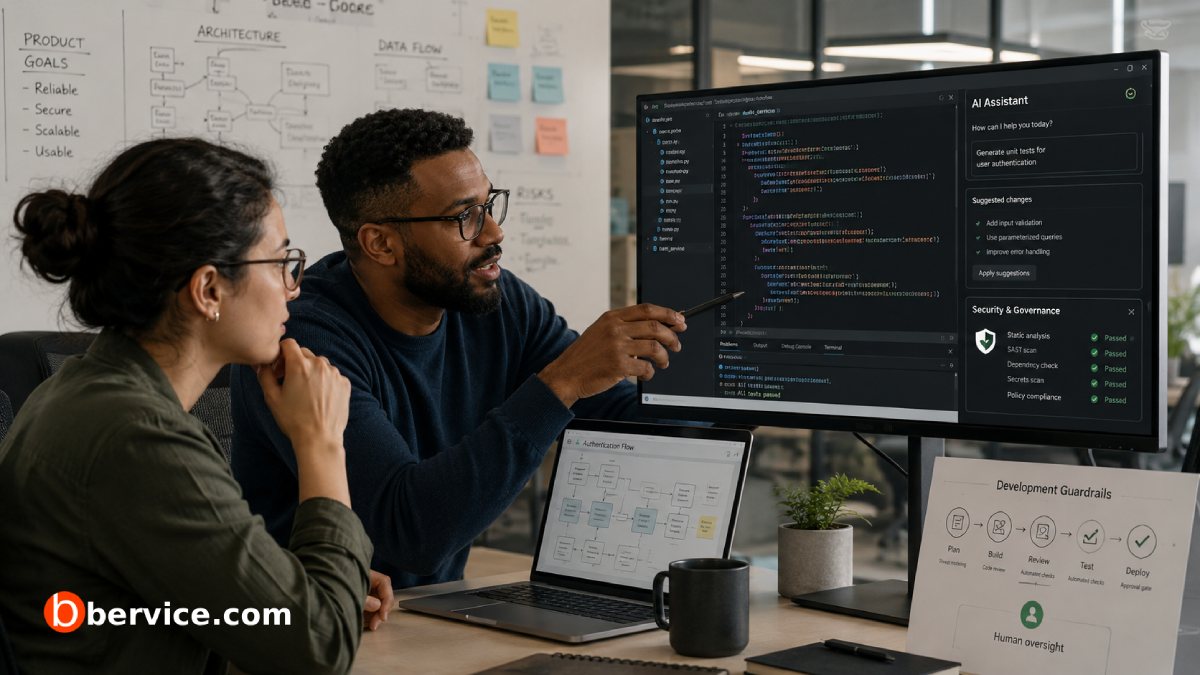
Vibe Coding: How to Use AI-Assisted Development Without Damaging Your Organization or Product
1. What Is Vibe Coding? Vibe coding is a modern style of software development where a person describes what they want in natural language, and an AI coding tool generates, edits, or fixes the code. Instead of writing every line manually, the user guides the AI through prompts, feedback, errors, and desired outcomes. The…
-
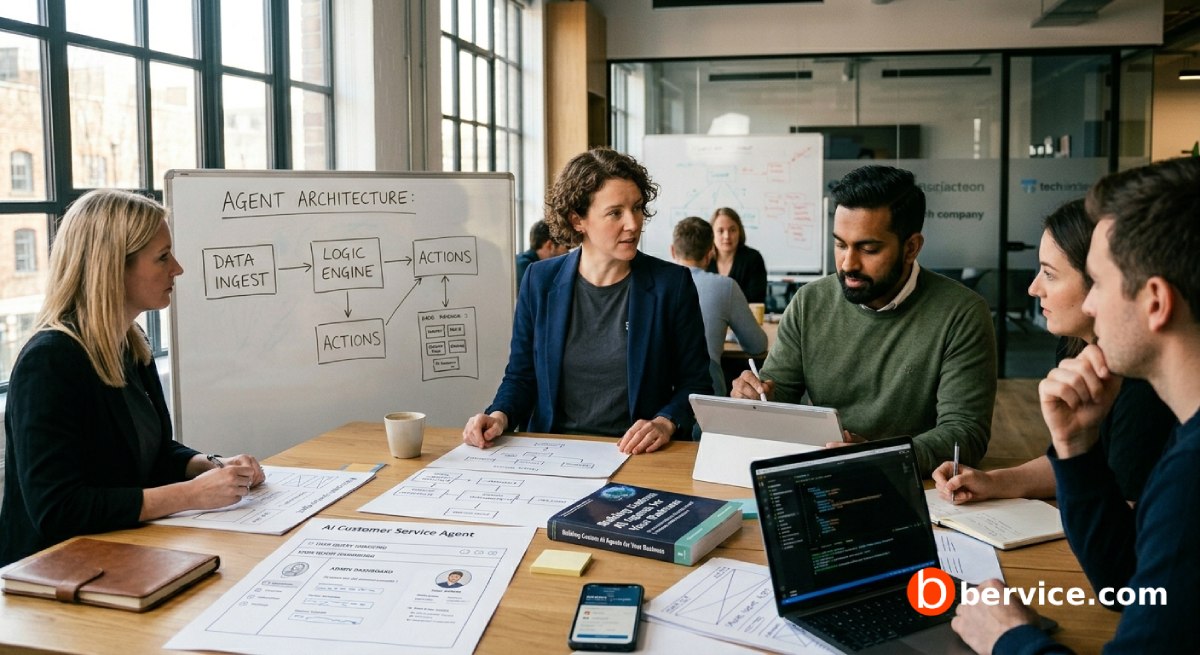
Building Custom AI Agents for Your Business
A Practical Guide to Designing Intelligent, Purpose-Built Systems 1. Introduction: Why Custom AI Agents Matter Artificial Intelligence is no longer just about general-purpose models. The real transformation in business comes from custom AI agents systems designed to perform specific tasks within a defined context. Unlike generic AI tools, these agents understand your workflows, data,…