-
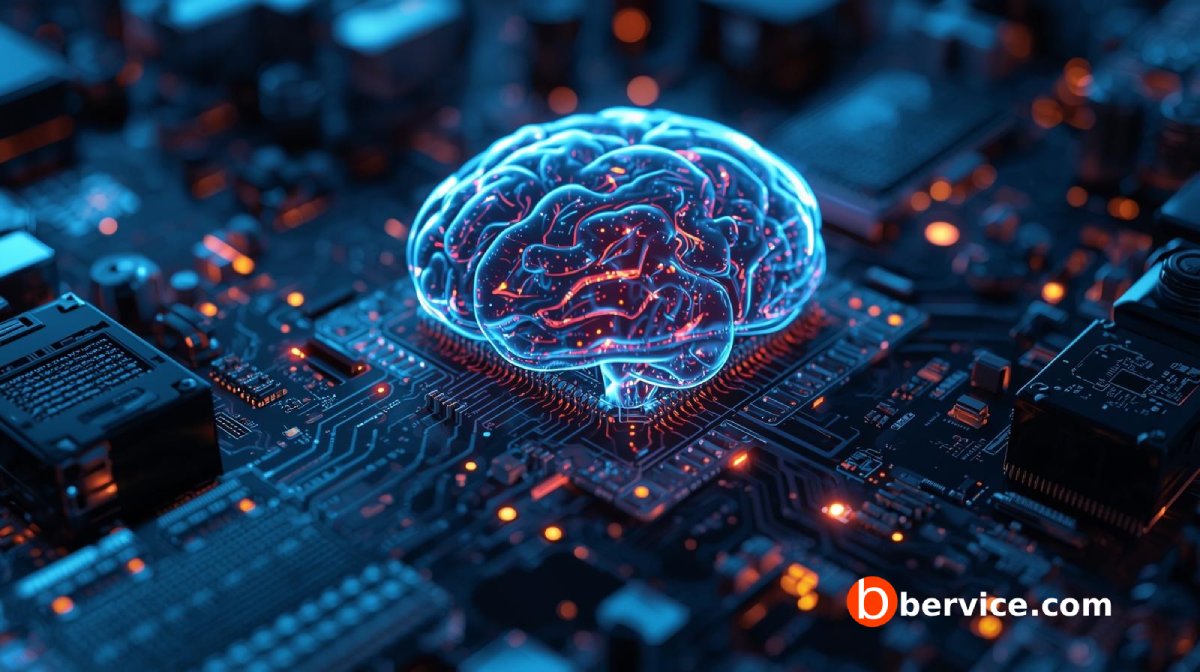
Neuromorphic Computing When Hardware Thinks Like the Human Brain
Modern computers are fast, precise, and relentless but they are also fundamentally inefficient when compared to the human brain. A brain running on roughly 20 watts can outperform today’s most powerful machines at perception, adaptation, and learning. Neuromorphic computing exists to close this gap not by making computers faster, but by making them think…
-

Secure Multi-Party Computation (MPC): Computing Without Revealing Data
In the digital economy, data collaboration is inevitable and dangerous. Governments, hospitals, banks, and platforms all need to compute over shared data, yet none of them can afford to expose raw inputs. Traditional security models force an impossible trade-off: either share the data or give up the computation. Secure Multi-Party Computation (MPC) exists precisely…
-
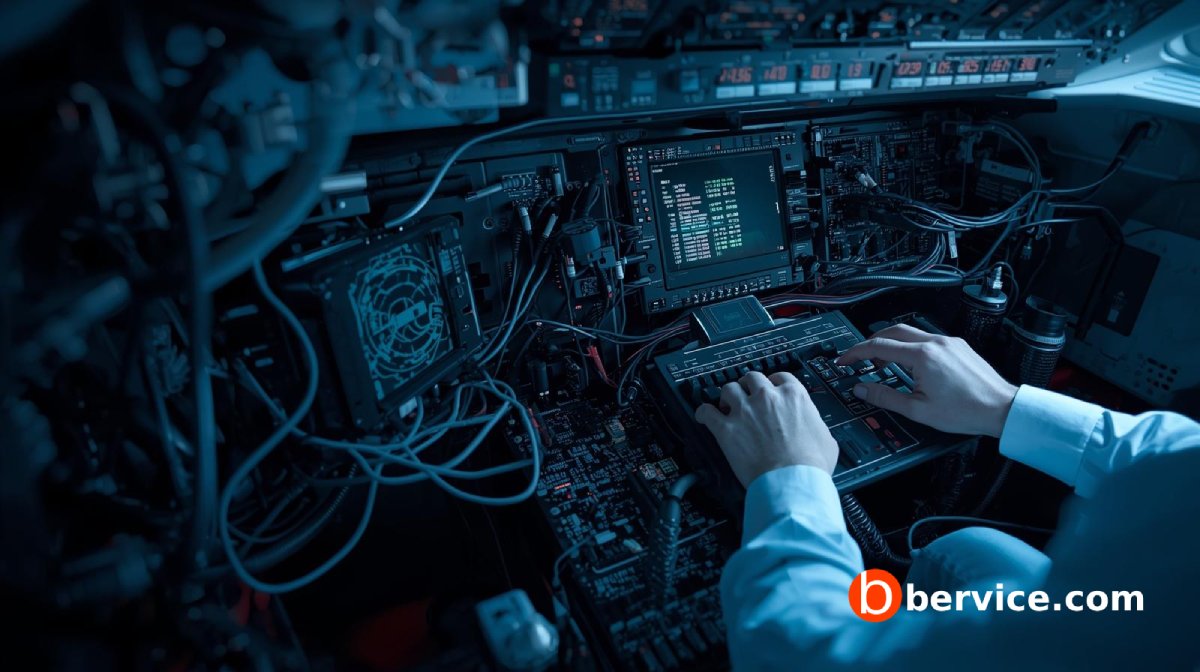
Secure Avionics Update & Patch Management
Why Software Updates in Aircraft Demand Zero-Tolerance Security Modern aircraft are no longer static machines; they are flying distributed systems. Flight control computers, navigation units, communication systems, and health-monitoring modules all depend on software that must evolve over time. But unlike consumer or enterprise systems, avionics software updates are safety-critical. A flawed update pipeline…
-
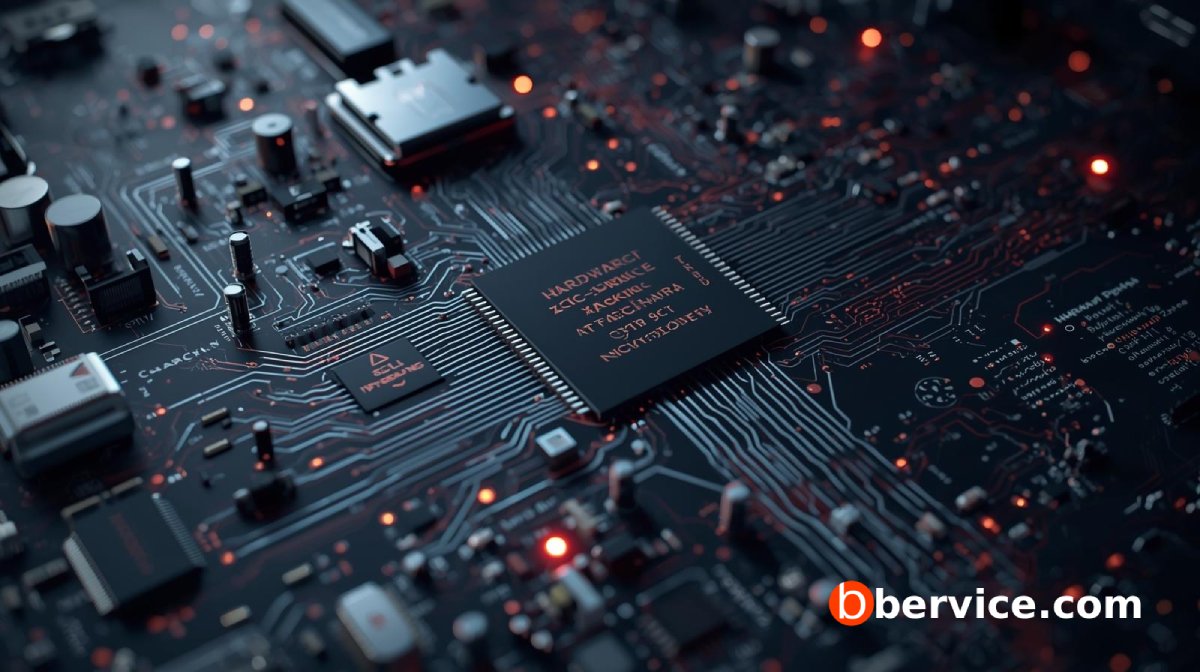
Hardware Hacking Attacks That Start at the Silicon Level
For years, cybersecurity has been dominated by a software-centric mindset. Firewalls, antivirus engines, EDR, and application security reviews all assume one thing: that the hardware beneath them is trustworthy. That assumption is increasingly wrong. Modern attackers do not stop at operating systems or applications they go deeper, down to firmware, microcode, and even the…
-

Machine Learning in Flight Control: Opportunities and the Certification Nightmare
Introduction: Power Meets Reality Machine Learning (ML) is no longer a lab curiosity in aerospace. It is already used for fault detection, sensor fusion, adaptive control assistance, and decision support. The promise is seductive: controllers that adapt, systems that anticipate failures, and aircraft that operate closer to optimal performance envelopes. But aviation is not…