-

AI Versus the Books of History: Can Artificial Intelligence Replace Knowledge That Can No Longer Be Updated?
For most of human history, books have been one of our most powerful technologies for preserving knowledge. They have carried ideas across borders, protected discoveries from being forgotten, and allowed a person living centuries later to encounter the mind of someone long gone. But books have a fundamental limitation: once published, they become fixed.…
-

How Artificial Intelligence Can Support the Healthy Development of Children
Artificial intelligence is becoming part of everyday family life. Children may encounter it through educational platforms, voice assistants, creative applications, games, search tools, accessibility features, and conversational systems. For parents, this creates both an opportunity and a responsibility. AI can make learning more personal, help children explore their interests, support children with different needs,…
-
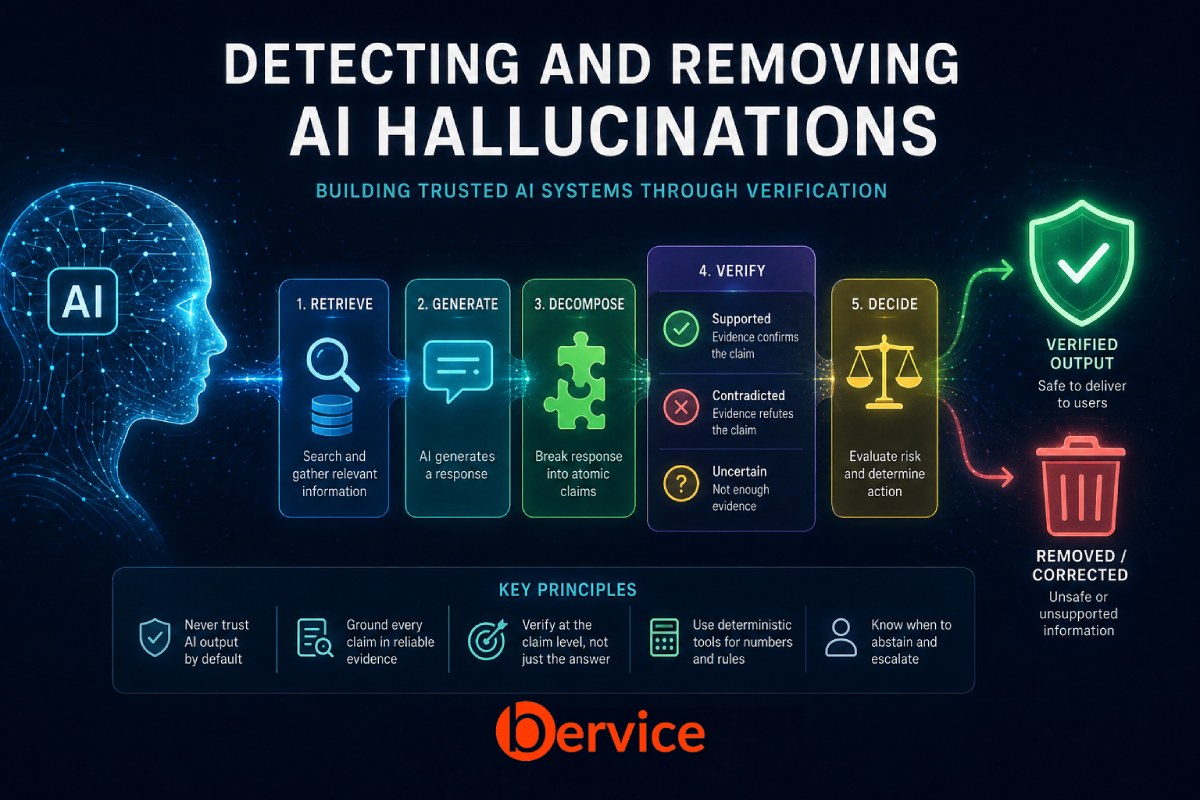
How to Automatically Detect and Remove AI Hallucinations from Production Systems
Introduction Artificial intelligence systems are rapidly moving from simple chat interfaces into infrastructure that makes decisions, analyzes documents, generates reports, searches corporate knowledge, writes software, communicates with customers, and operates autonomous agents. This transition creates a fundamental engineering problem: How can we determine whether an AI-generated statement is actually supported by evidence before allowing…
-
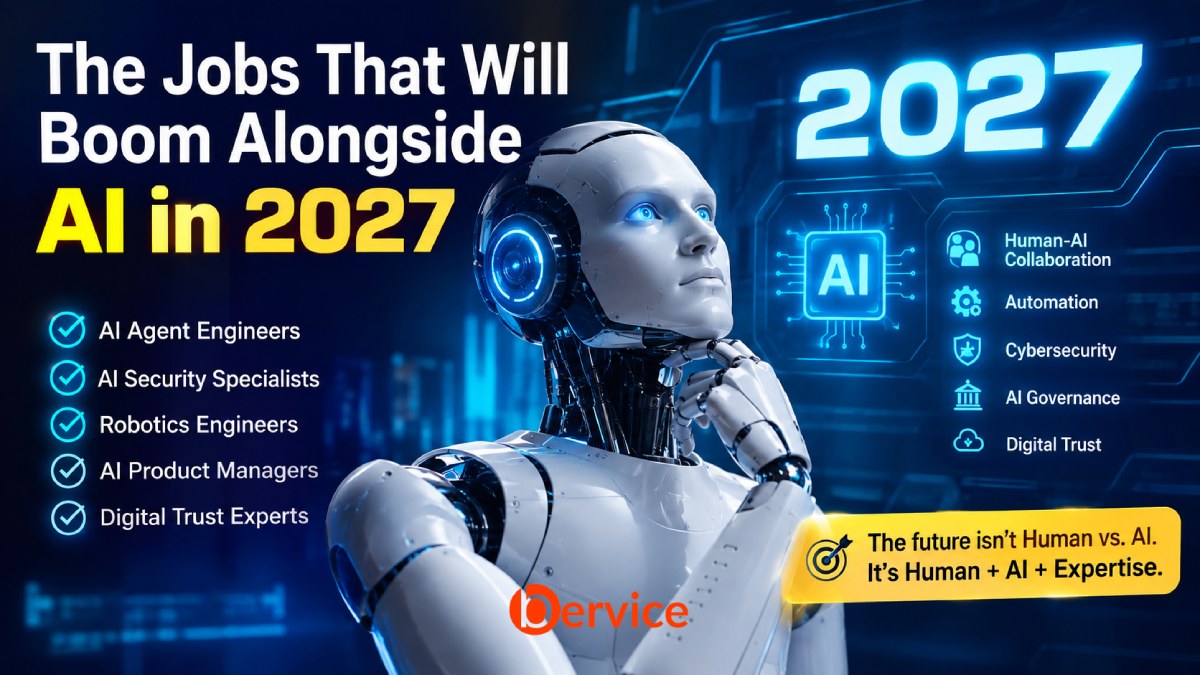
The Jobs That Will Boom Alongside AI in 2027
The Future of Work Is Not Human vs. AI. It Is Human + AI. For years, the conversation around artificial intelligence has been dominated by one question: Which jobs will AI replace? But as we move toward 2027, a more useful question is emerging: Which jobs will become more valuable because AI exists? Artificial…
-
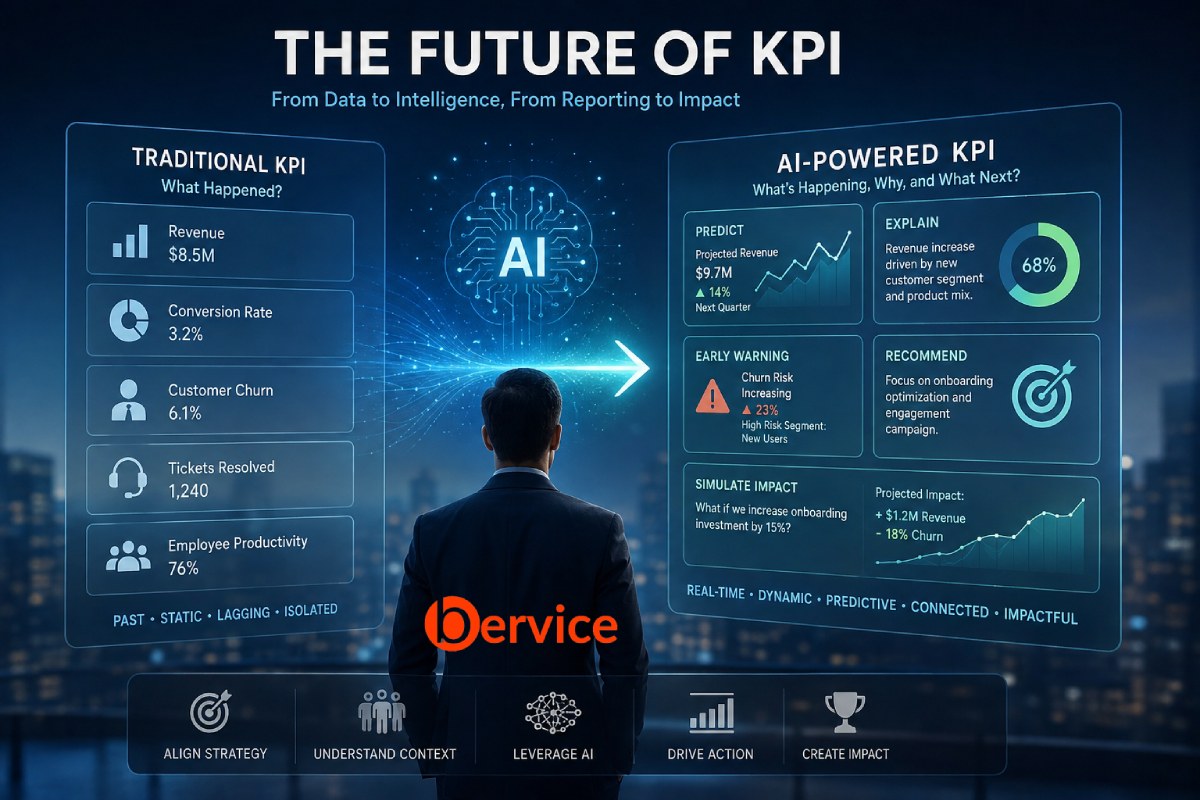
The New Shape of KPIs in the Age of AI
From Measuring Performance to Understanding Impact For decades, organizations have relied on Key Performance Indicators, or KPIs, to answer a seemingly simple question: Are we performing well? Revenue growth, conversion rates, customer acquisition costs, employee productivity, churn, delivery times, sales quotas, and countless other metrics have become the language of modern management. But there…