-

Beyond Bigger Models: How Small AI Models Can Collaborate to Become a Virtual Giant
Rethinking Artificial Intelligence Through Distributed Intelligence For the past few years, the AI industry has followed a simple assumption: if we want more intelligent systems, we must build larger models. Every new generation has increased parameter counts from billions to hundreds of billions, demanding enormous computational resources, expensive GPUs, and centralized infrastructure. But what…
-

Blockchain, Privacy, and Artificial Intelligence: Building Trust Without Sacrificing Anonymity
Introduction Artificial Intelligence is transforming the way people communicate, work, and make decisions. At the same time, blockchain technology is redefining digital trust by enabling transparent, decentralized, and tamper resistant systems. Yet one important challenge remains unresolved: How can AI interact with users while preserving their privacy and anonymity? Today, most AI systems rely…
-
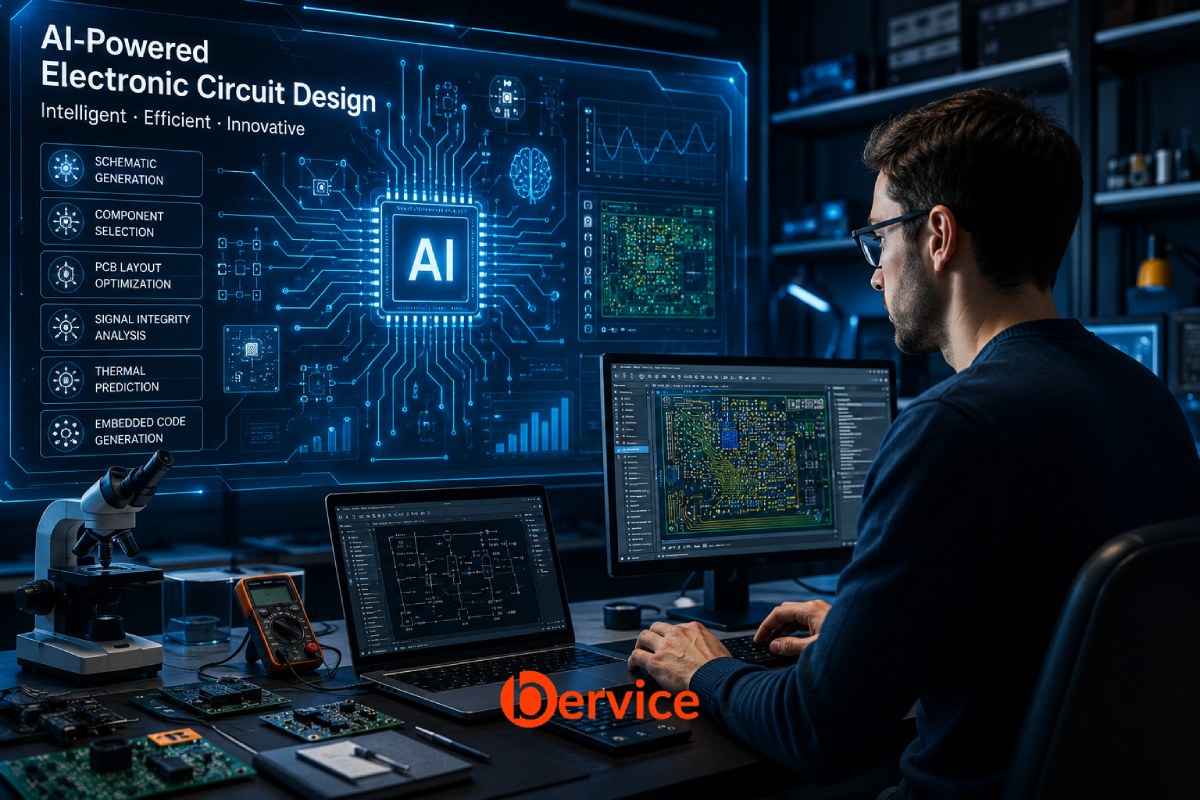
How Artificial Intelligence Is Transforming Electronic Circuit Design
Introduction Artificial Intelligence (AI) is rapidly reshaping the electronics industry. What once required weeks of manual calculations, repeated simulations, and countless hardware prototypes can now be accelerated with intelligent software capable of learning from millions of previous designs. Modern AI tools are no longer limited to automating repetitive tasks. They actively assist engineers by…
-
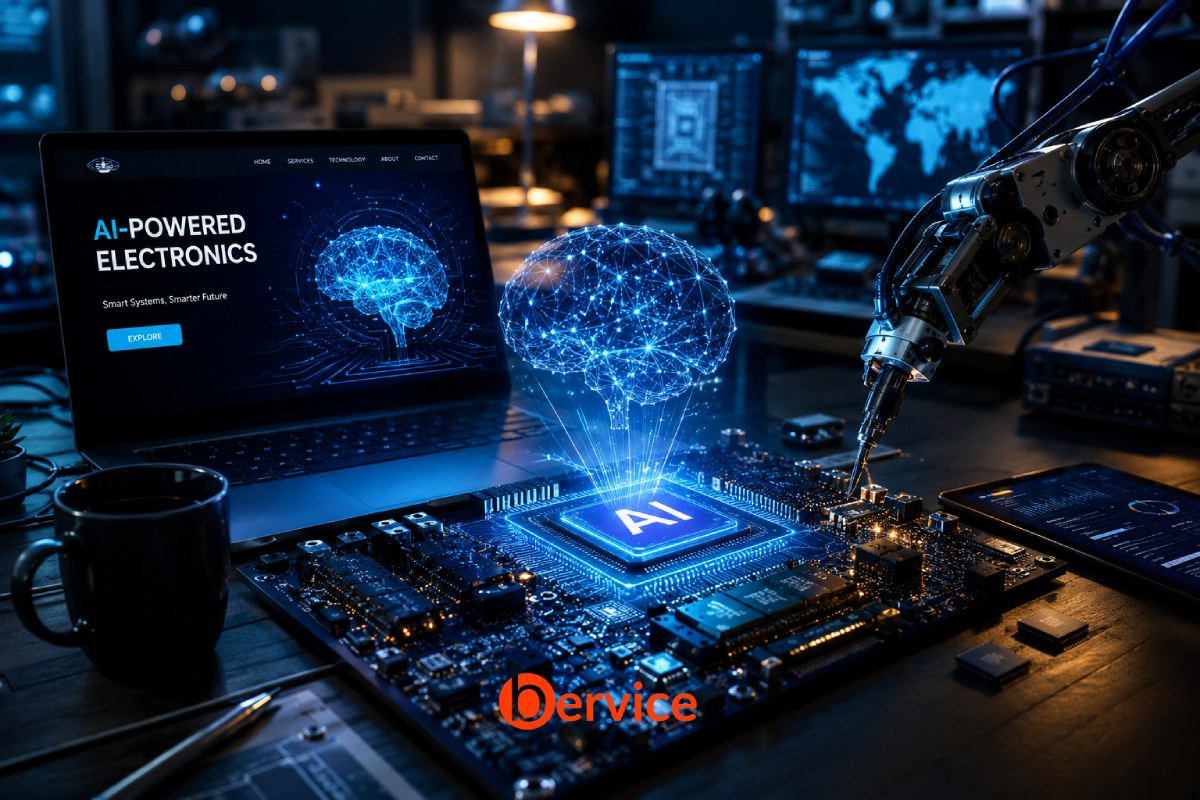
Artificial Intelligence in Electronics: Benefits, Challenges, and the Industries Leading Adoption
Introduction Artificial Intelligence (AI) has become one of the most transformative technologies in modern electronics. From smartphones and wearable devices to industrial automation and autonomous vehicles, AI is fundamentally changing how electronic systems are designed, manufactured, and operated. Instead of simply executing predefined instructions, modern electronic devices can now analyze data, learn from experience,…
-
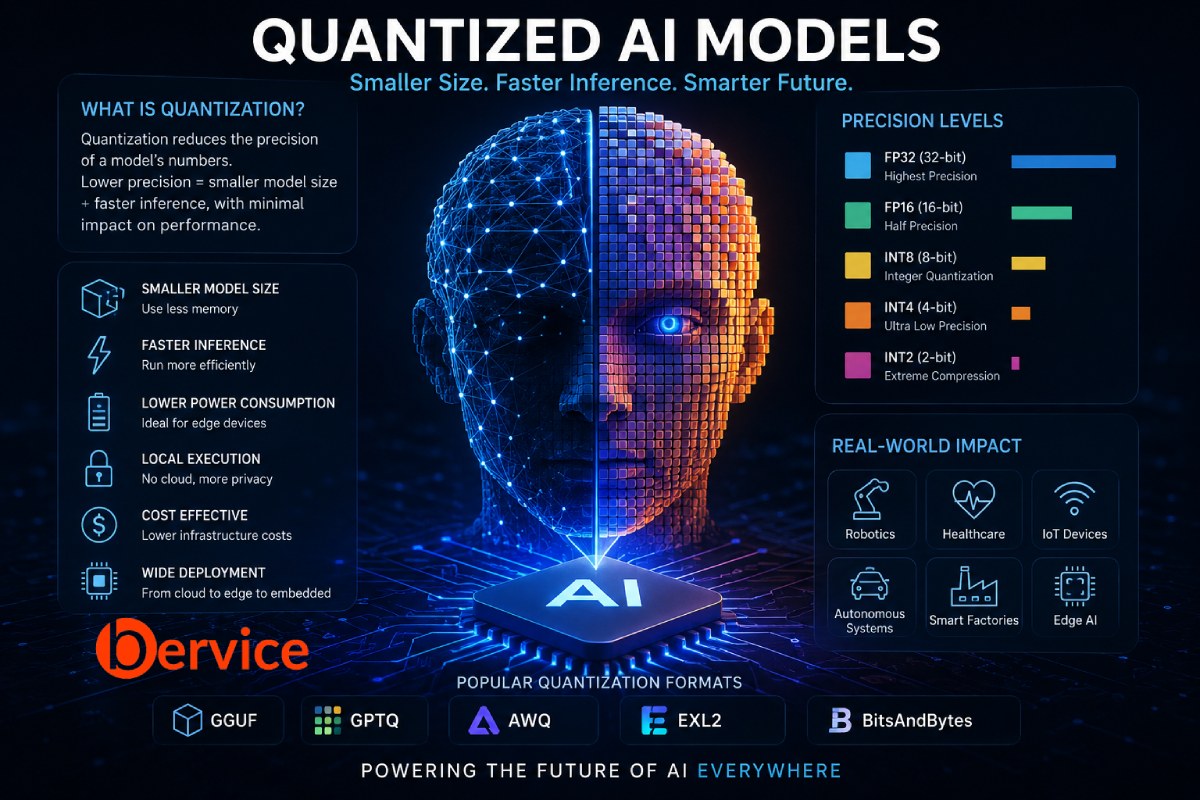
Quantized AI Models: How They Work, How They Are Built, and Why They Matter
Introduction Artificial Intelligence models have grown at an extraordinary pace. Modern Large Language Models (LLMs) often contain billions or even trillions of parameters, enabling remarkable reasoning, language understanding, programming, image generation, and scientific assistance. However, these capabilities come at a significant computational cost. Running a large AI model traditionally requires enormous amounts of GPU…