-
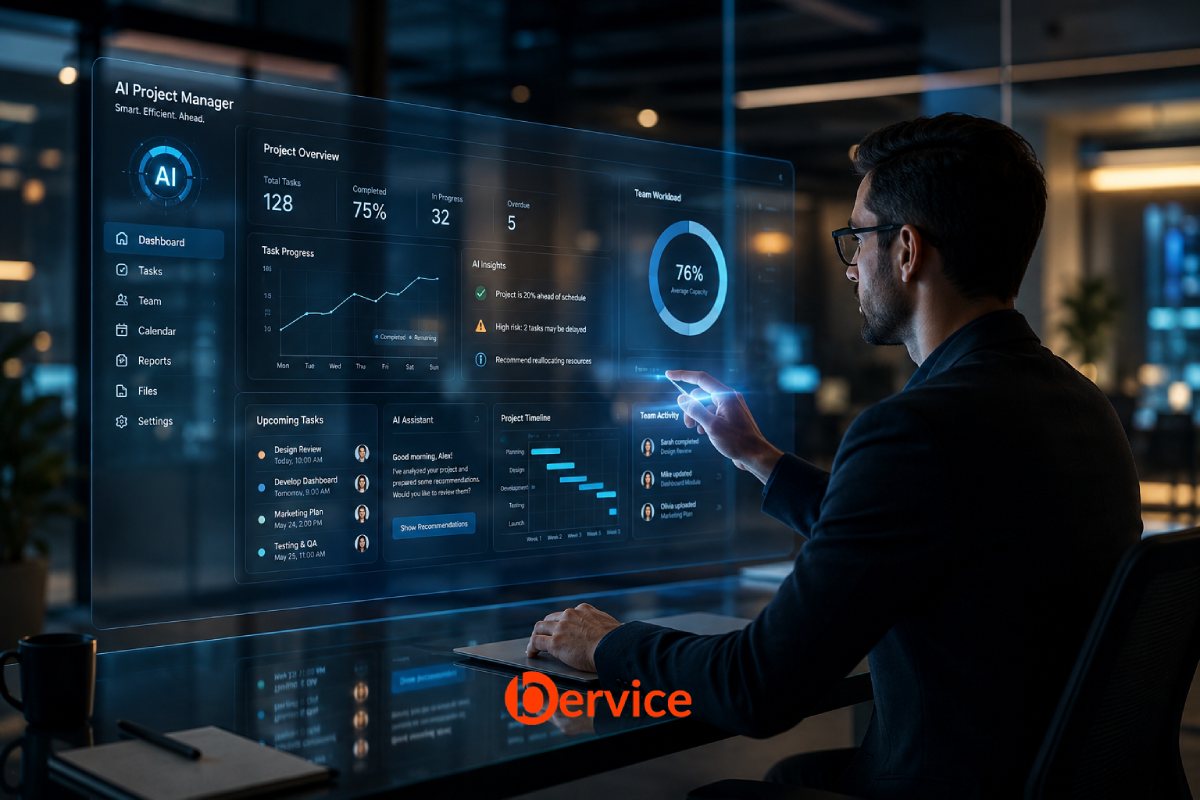
How Artificial Intelligence Accelerates Teamwork Task Management
Introduction Modern organizations face an increasingly complex challenge: managing teams, projects, deadlines, and workflows efficiently. As businesses grow and remote work becomes more common, coordinating tasks across multiple team members can quickly become overwhelming. Traditional project management methods often rely heavily on manual planning, status updates, and human oversight, which can lead to delays,…
-
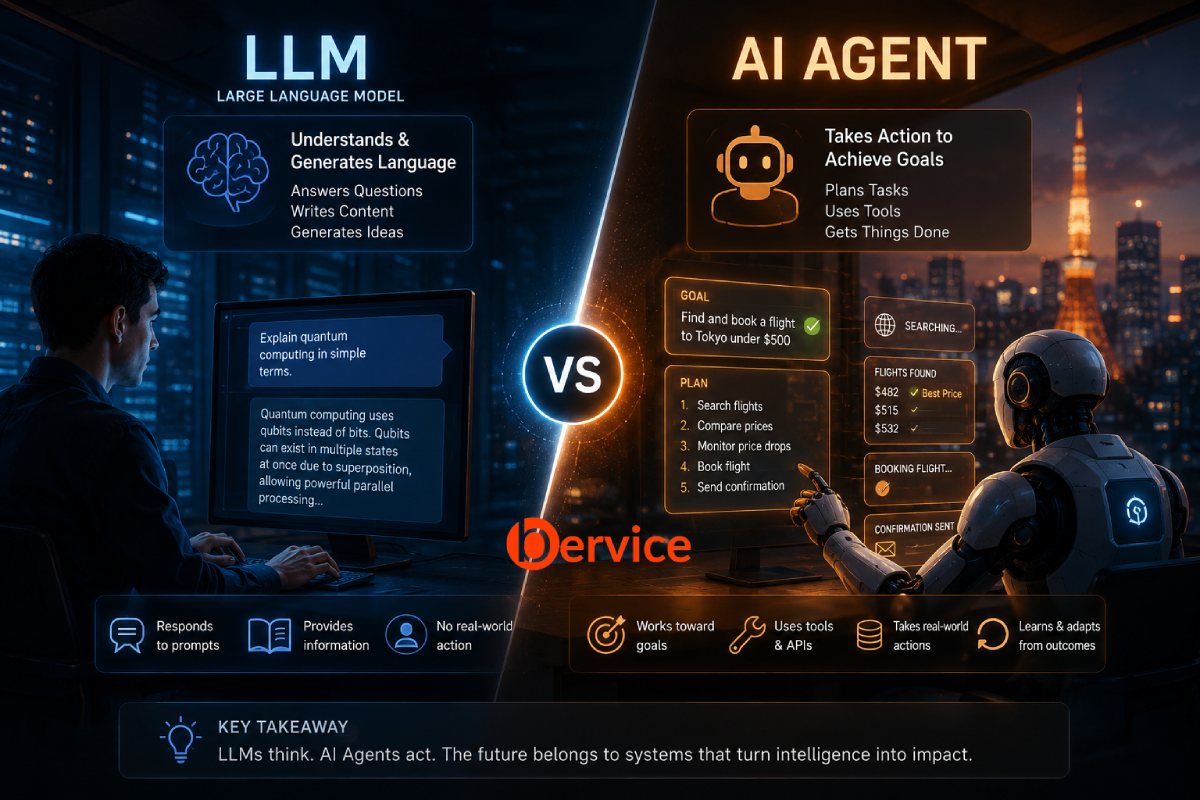
What Is the Difference Between an LLM and an AI Agent?
Understanding the Next Evolution of Artificial Intelligence Artificial Intelligence is rapidly transforming the way humans interact with technology. As AI systems become more capable, two terms are increasingly appearing in discussions across technology, business, and academia: Large Language Models (LLMs) and AI Agents. Although many people use these terms interchangeably, they represent fundamentally different…
-
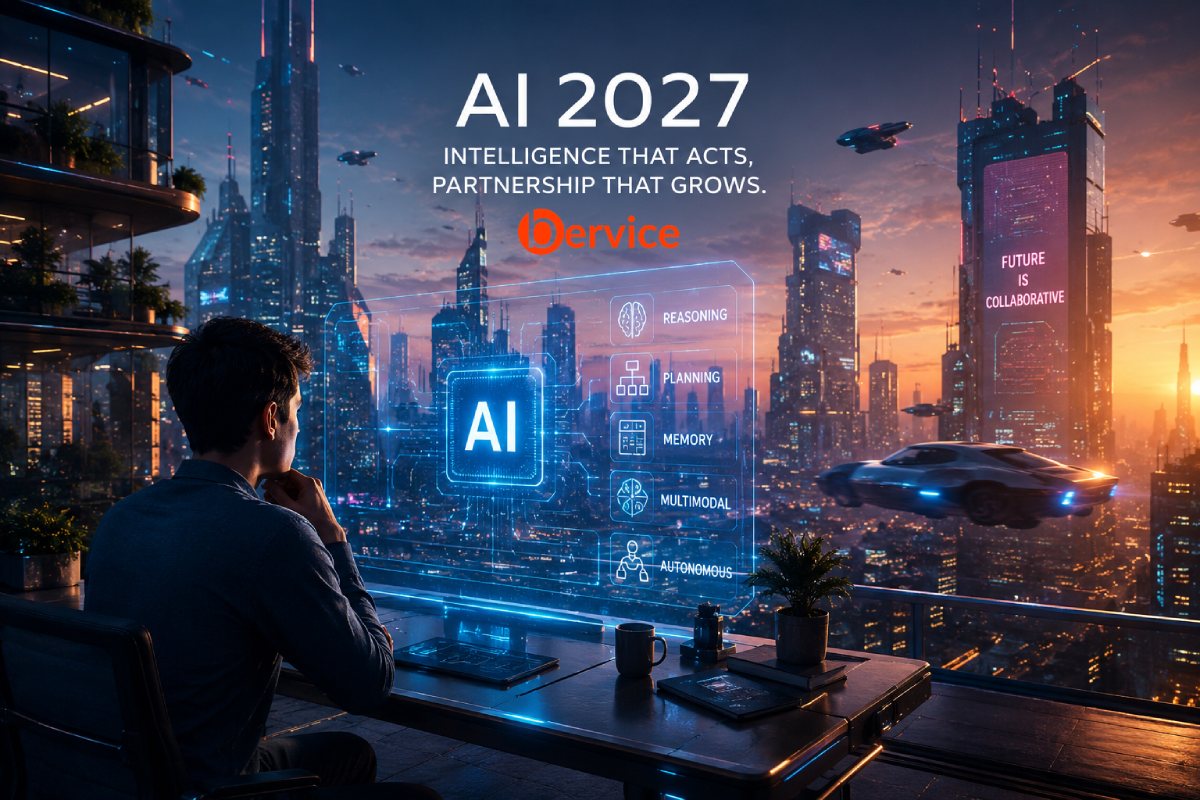
The Future of Large Language Models: What We May Witness by 2027
Introduction Large Language Models (LLMs) have evolved from impressive text generators into foundational digital infrastructure. In just a few years, they have transformed software development, education, research, customer support, content creation, and business operations. Yet today’s models are likely only an early chapter in a much larger story. As we move toward 2027, the…
-

Can Artificial Intelligence Trade in Financial Markets? Will It Eventually Make Market Decisions One-Sided?
Introduction Artificial Intelligence has rapidly transformed from an experimental technology into a powerful force influencing nearly every industry. Financial markets are among the sectors experiencing the most significant changes. Today, AI systems analyze vast amounts of market data, identify patterns invisible to human traders, execute transactions in milliseconds, and continuously adapt their strategies through…
-
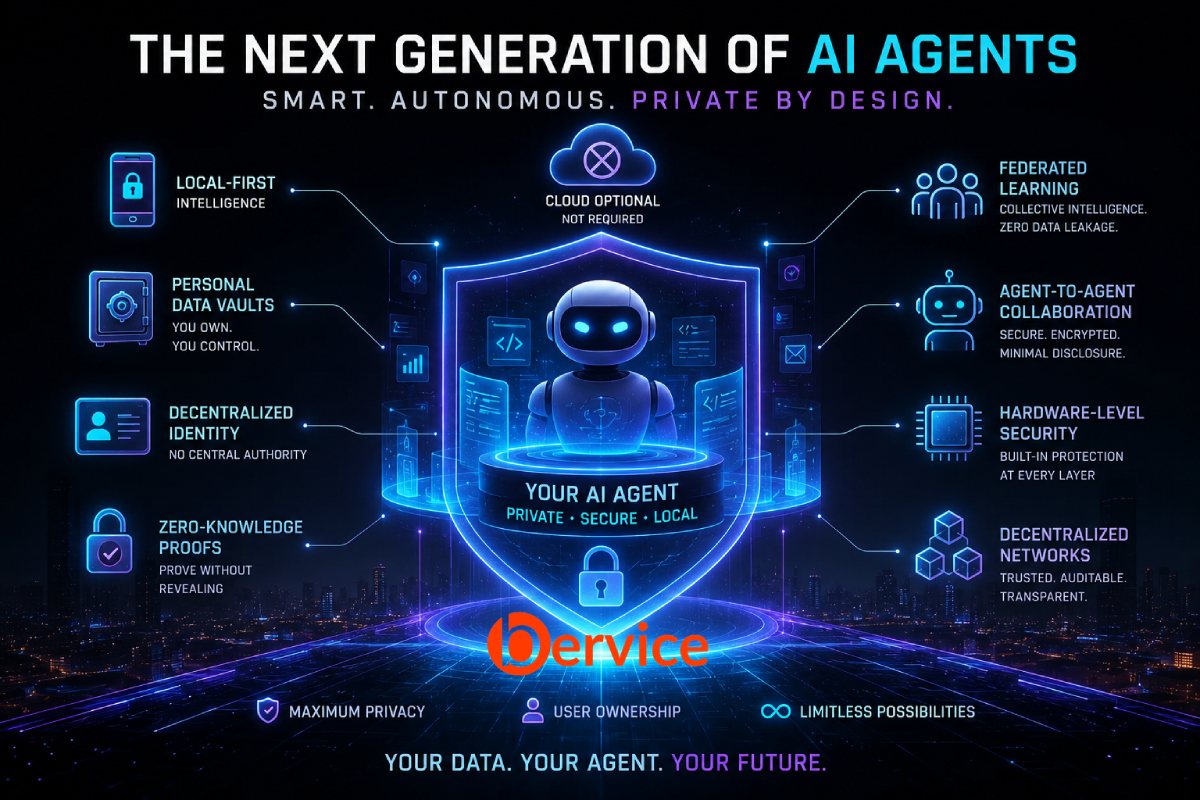
The Next Generation of AI Agents: Building a Future Where Privacy Comes First
Introduction Artificial Intelligence agents are rapidly evolving from simple assistants into autonomous digital entities capable of performing complex tasks on behalf of users. Today’s agents can schedule meetings, manage emails, conduct research, analyze data, and interact with various online services. However, as their capabilities grow, so do concerns about privacy, surveillance, data ownership, and…