-
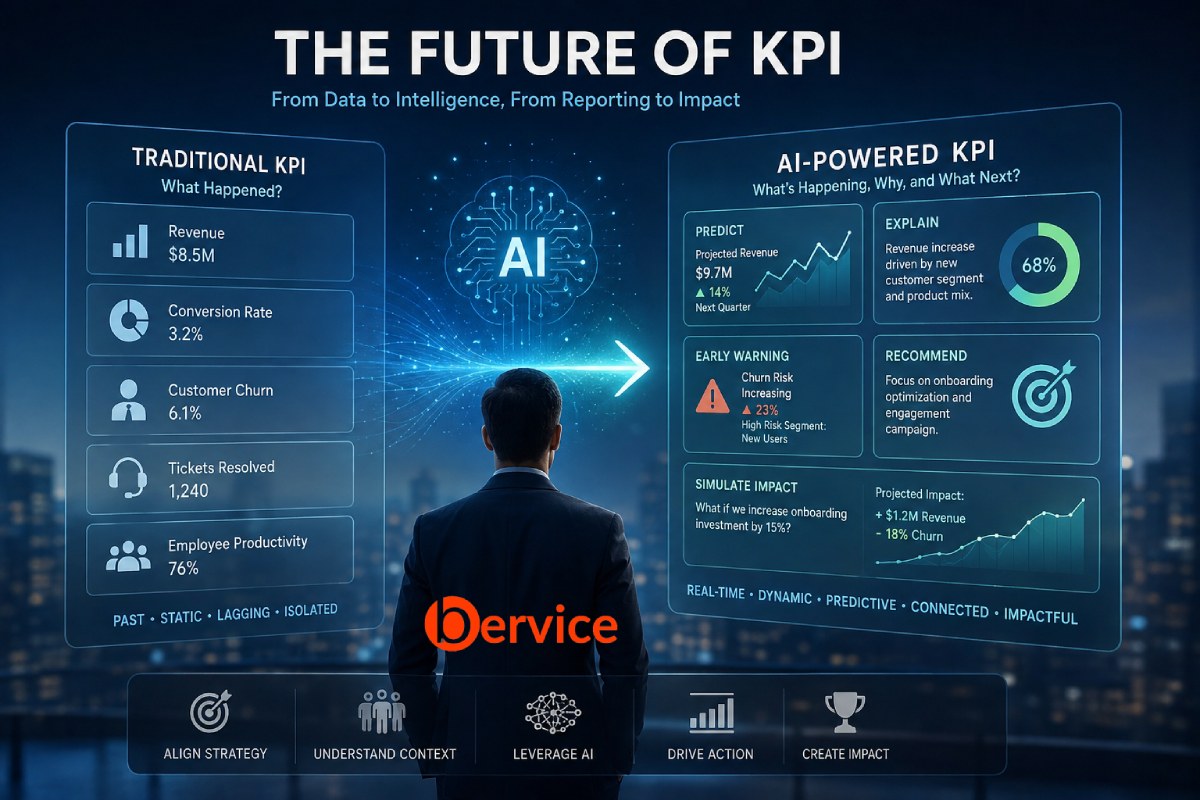
The New Shape of KPIs in the Age of AI
From Measuring Performance to Understanding Impact For decades, organizations have relied on Key Performance Indicators, or KPIs, to answer a seemingly simple question: Are we performing well? Revenue growth, conversion rates, customer acquisition costs, employee productivity, churn, delivery times, sales quotas, and countless other metrics have become the language of modern management. But there…
-
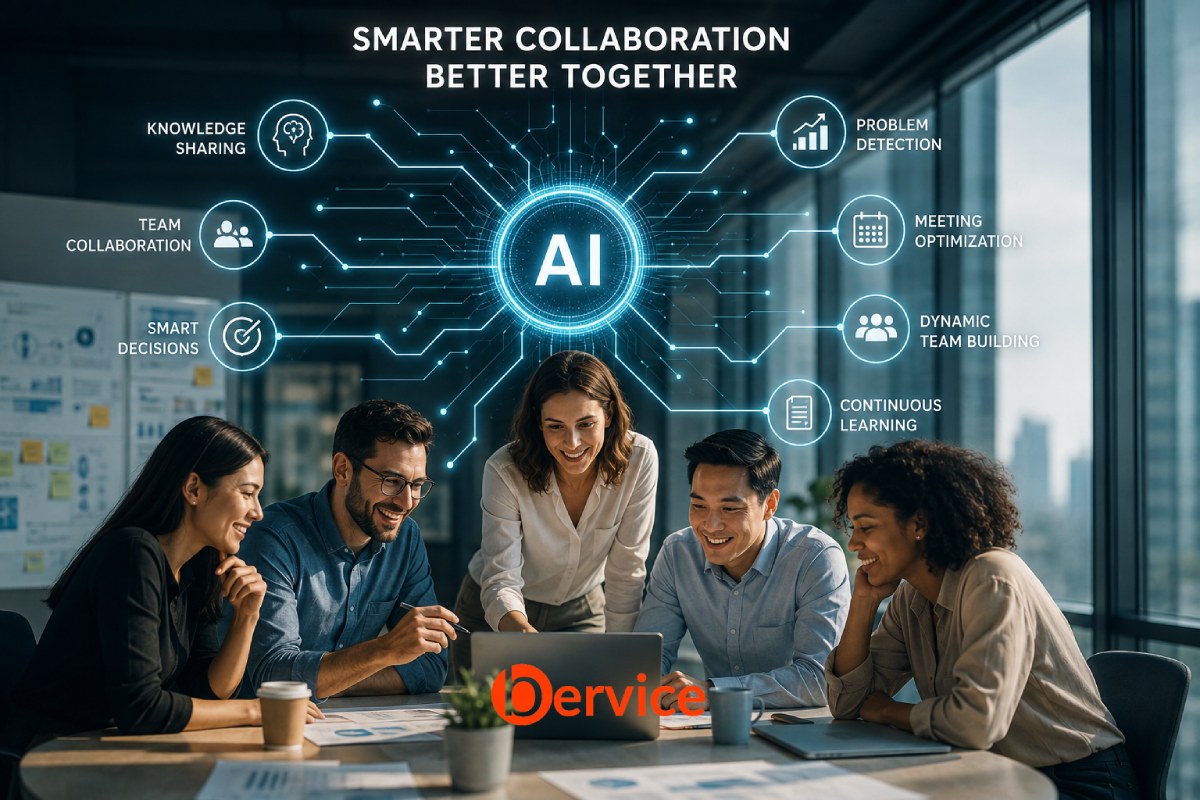
How AI Can Improve Human Processes in Collaborative Execution
The Next Competitive Advantage Is Not Better Individuals. It Is Better Collaboration. Artificial intelligence is often discussed as a tool that makes individuals more productive. We celebrate AI because it writes faster, analyzes data instantly, generates software, designs graphics, and automates repetitive work. Yet the greatest transformation AI will create may not be individual…
-
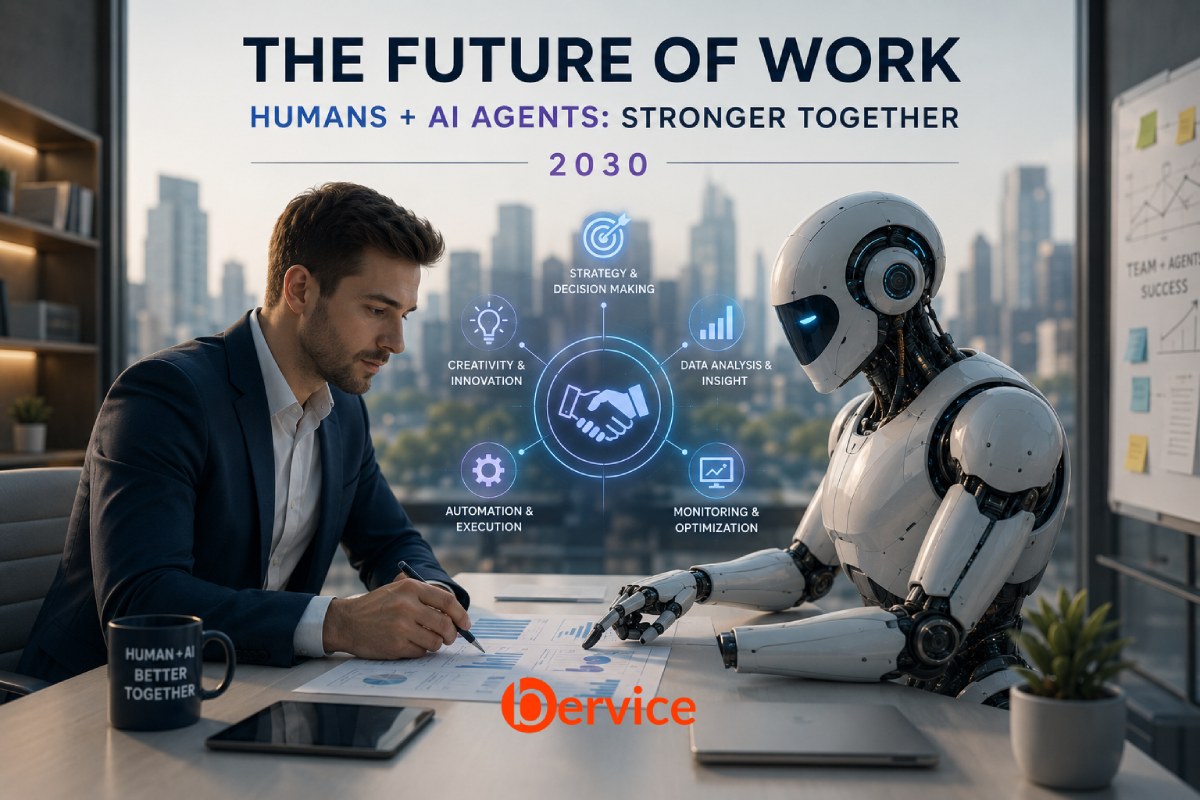
The Future Isn’t Companies Without Employees. It’s Companies Where Humans and AI Agents Work Together
Rethinking the Organization of 2030 For years, headlines have predicted the same future: ” AI will replace workers.” “Companies won’t need employees anymore.” “One founder will build a billion-dollar company with AI.” These predictions generate attention, but they oversimplify what is actually happening. The companies that will dominate the next decade are unlikely to…
-
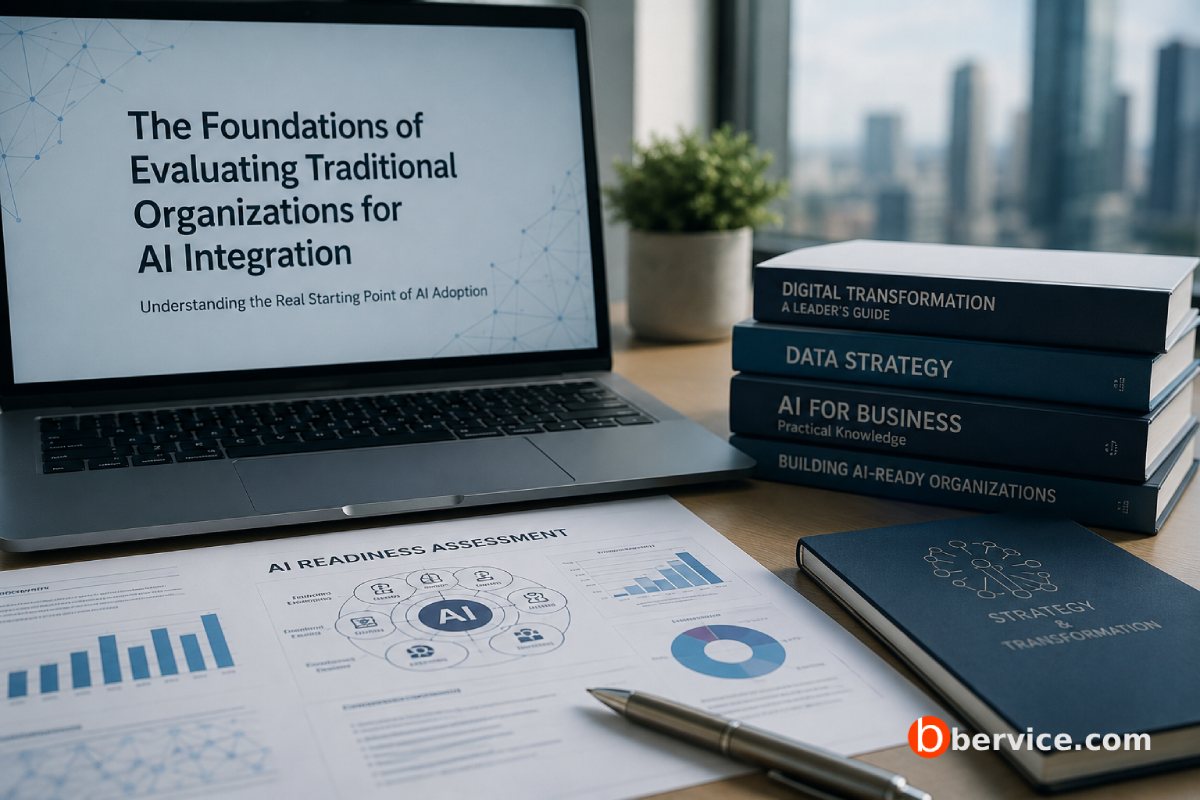
The Foundations of Evaluating Traditional Organizations for AI Integration
Understanding the Real Starting Point of AI Adoption Artificial Intelligence is no longer limited to technology companies or digital startups. Traditional organizations across manufacturing, logistics, retail, healthcare, education, agriculture, banking, construction, and government sectors are increasingly exploring how AI can improve efficiency, reduce operational costs, enhance decision making, and create new business opportunities. However,…
-
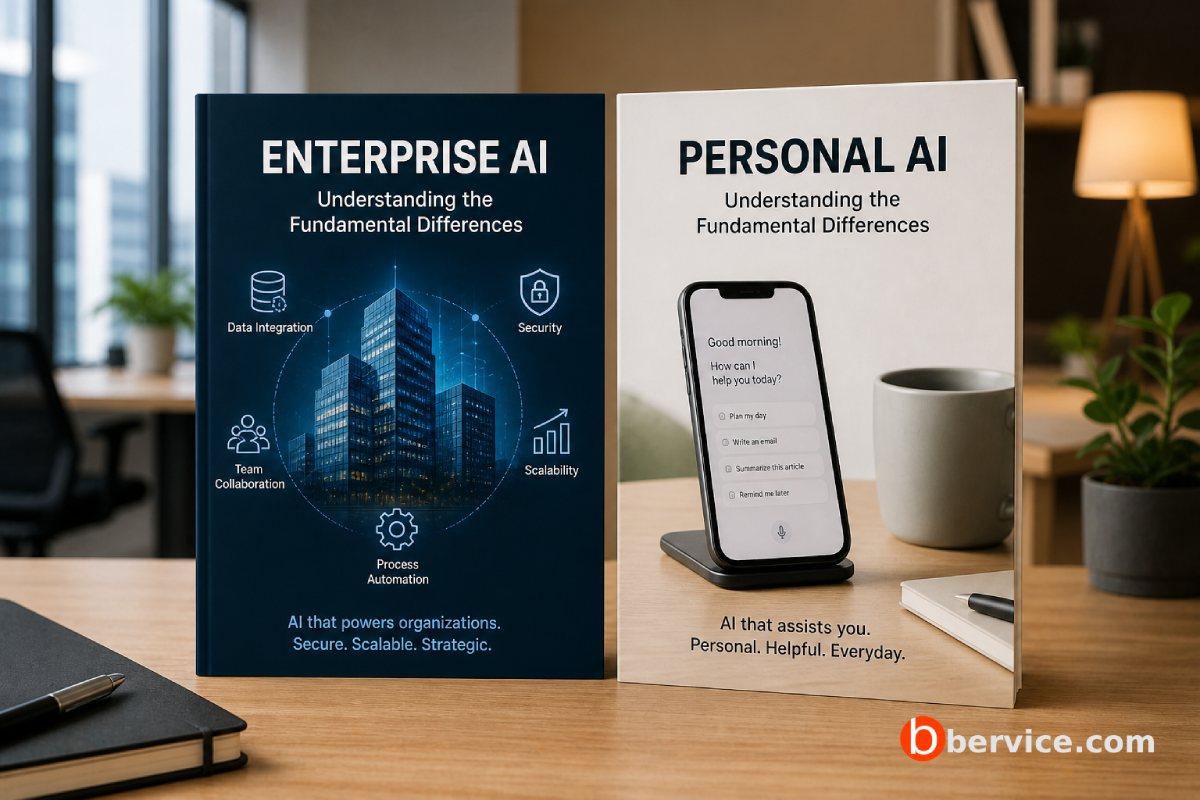
Enterprise AI vs Personal AI
Understanding the Fundamental Differences Introduction Artificial Intelligence is no longer a single category of technology. It has evolved into two distinct paradigms: Enterprise AI and Personal AI. While both rely on similar underlying advances in machine learning and large language models, their purpose, architecture, and impact differ significantly. Understanding this distinction is essential for…