-
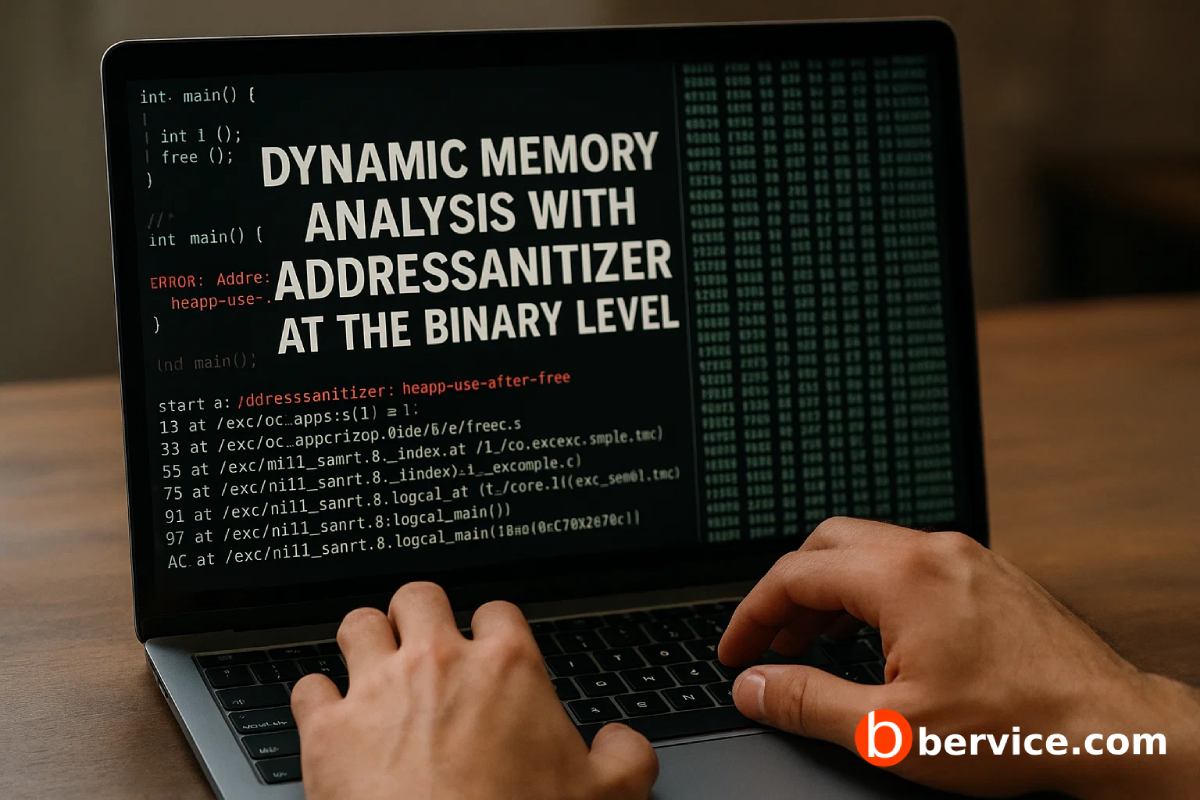
Dynamic Memory Analysis with AddressSanitizer at the Binary Level
Memory bugs are silent killers in software systems. They don’t just crash applications — they open doors for data corruption, undefined behavior, and exploitable security holes. Static analysis can help, but it’s often blind to runtime behavior. That’s where AddressSanitizer (ASan) comes in — a brutal, low-level memory checker that catches your mistakes as…
-
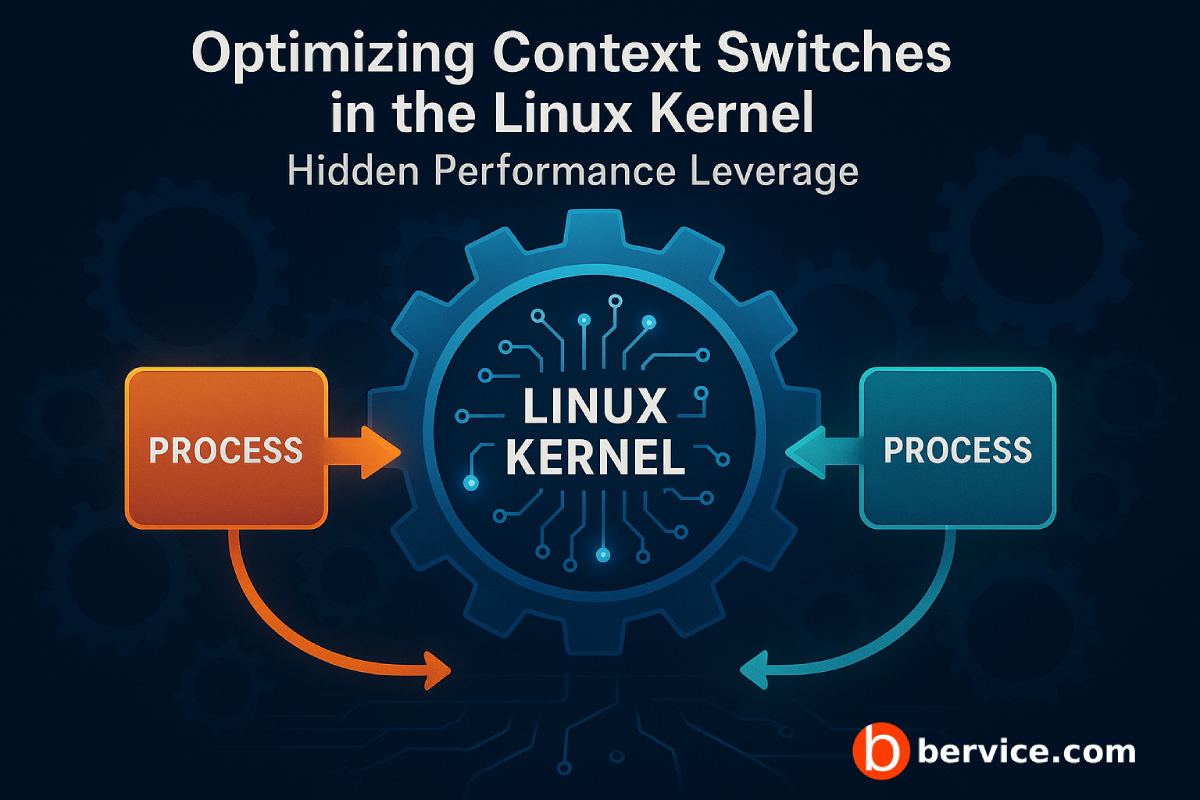
Optimizing Context Switches in the Linux Kernel: Hidden Performance Leverage
1. What Context Switching Really Costs Every time the kernel performs a context switch — moving execution from one thread to another — the CPU flushes registers, updates the program counter, and reloads process metadata. This is not “free multitasking.” It burns thousands of CPU cycles.When the switch rate spikes, cache locality is destroyed…
-

Hypervisor-level Exploits: Why VM Isolation Isn’t a Silver Bullet
Virtualization is everywhere: cloud providers, enterprise datacenters, developer laptops, CI runners. It looks safe — each workload sits in its own virtual machine (VM), separated by the hypervisor. That visual separation lulls engineers into false confidence. Here’s the blunt truth: if the hypervisor breaks, your isolation is meaningless. Hypervisor-level exploits (VM escape, hypervisor compromise,…
-

Kernel Locking and Concurrency Pitfalls in Operating Systems
In modern operating systems, concurrency isn’t optional — it’s fundamental. Multiple threads and processes access shared resources constantly: memory, I/O, scheduling queues, filesystem metadata. Without strict synchronization, the kernel becomes a war zone of race conditions, data corruption, and unpredictable crashes. The kernel sits at the lowest level of control. If a locking mistake…
-
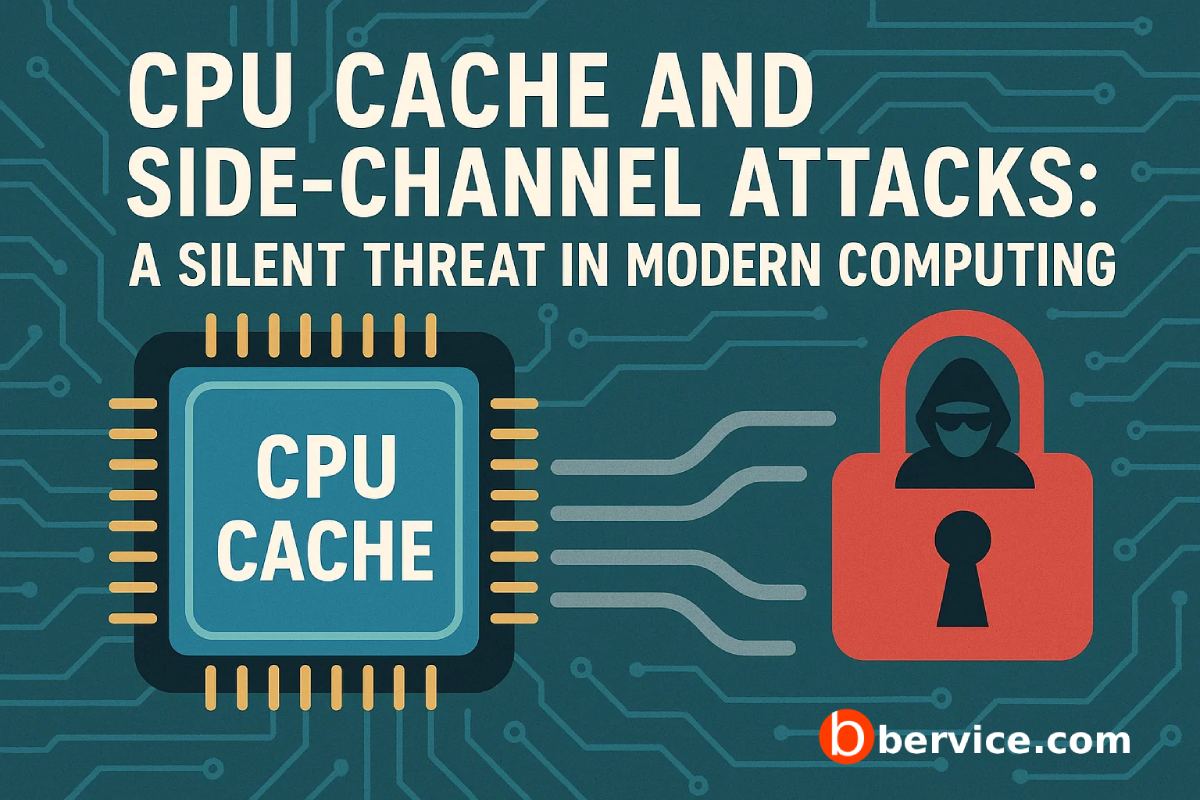
CPU Cache and Side-Channel Attacks: A Silent Threat in Modern Computing
1. Introduction: When Speed Becomes a Double-Edged Sword The CPU cache—L1, L2, and L3—is designed to make computing faster. It keeps frequently used data close to the processor, drastically reducing memory latency and improving performance. But this performance boost comes with a critical trade-off: it opens the door to side-channel attacks. These attacks don’t…