-
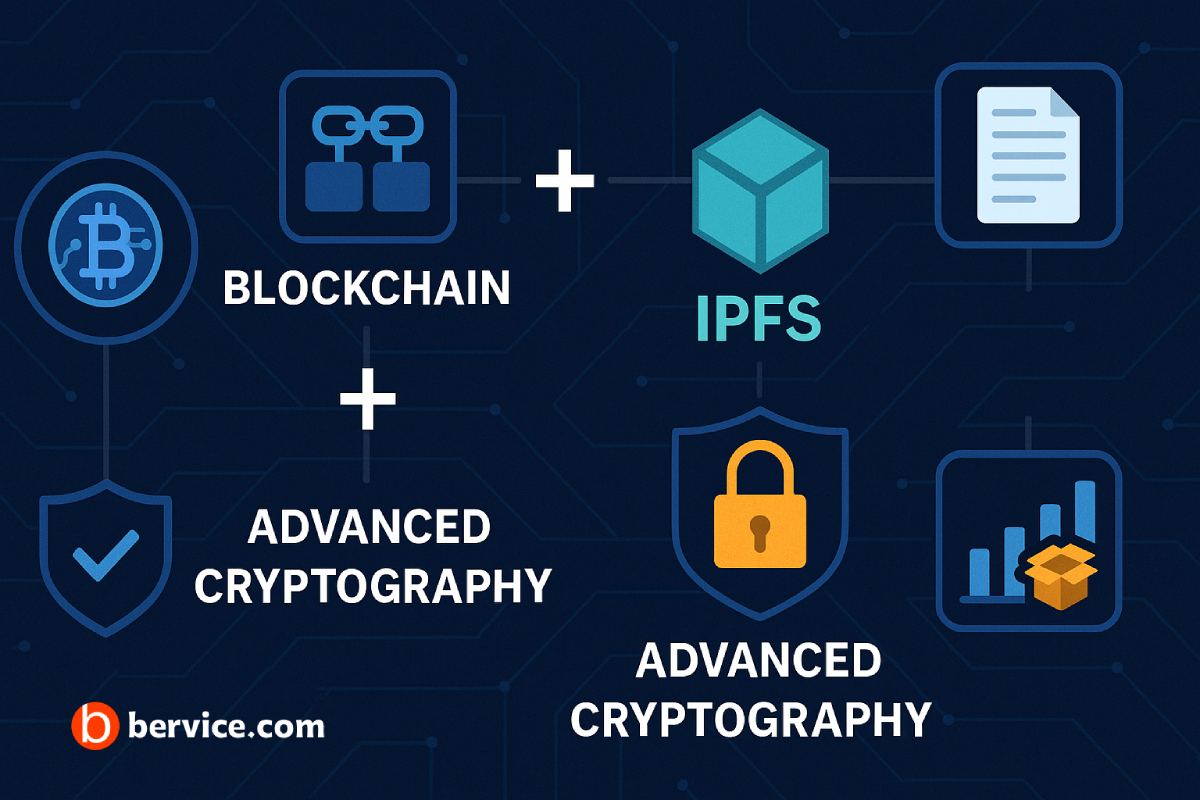
The Convergence of Blockchain, IPFS, and Advanced Cryptography: Building the Future of Secure Digital Infrastructure
Introduction The digital world is experiencing exponential growth in both data generation and the demand for trust. Traditional centralized systems for storing and sharing information often face challenges such as single points of failure, censorship risks, and escalating costs. To address these issues, three powerful technologies—Blockchain, InterPlanetary File System (IPFS), and Advanced Cryptography—are converging…
-
Data Immortality: When Your Files Never Die
Introduction: The End of Digital Fragility For centuries, humanity has struggled with the fragility of knowledge and memory. Stone tablets eroded, manuscripts decayed, and early hard drives failed with alarming regularity. But in the 21st century, a radical shift is underway—the idea of “data immortality”, where files, memories, and knowledge persist beyond individual lifespans,…
-
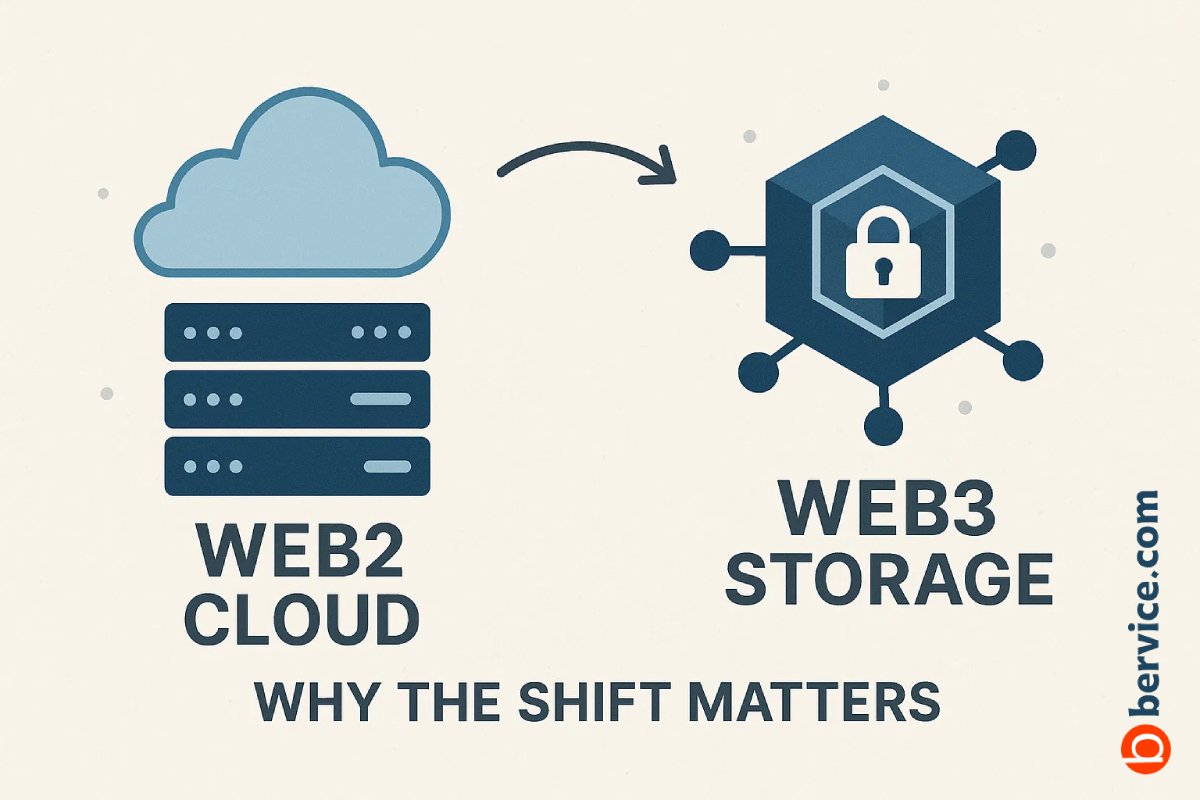
From Web2 Cloud to Web3 Storage: Why the Shift Matters
Introduction: A Paradigm Shift in Data Ownership For more than a decade, cloud storage providers like Google Drive, Dropbox, and AWS have dominated the digital landscape, making file management seamless and scalable. However, this dominance comes at a cost: users often give up control over their data in exchange for convenience. In contrast, Web3…
-
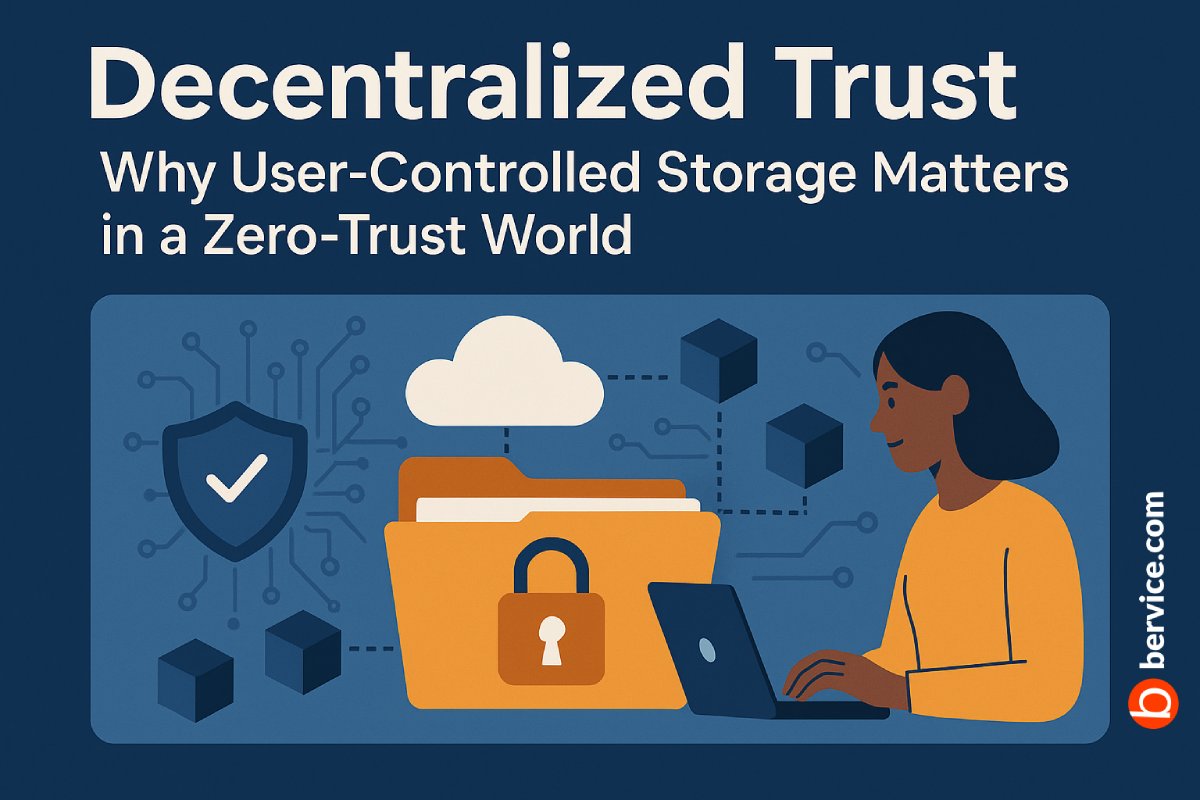
Decentralized Trust: Why User-Controlled Storage Matters in a Zero-Trust World
Introduction: The End of Implicit Trust The digital world is undergoing a fundamental shift in how security is perceived. For decades, centralized platforms have acted as guardians of data, requiring users to place blind trust in corporate servers and opaque security models. However, repeated data breaches, surveillance scandals, and the looming threat of quantum…
-

Quantum-Safe Storage: Preparing for the Post-Quantum Internet Era
Introduction: The Coming Quantum Threat The digital world as we know it is secured by cryptography algorithms like RSA and elliptic curve cryptography (ECC) that protect our files, passwords, and financial transactions. But with the rise of quantum computing, these once-unbreakable systems are nearing obsolescence. A sufficiently powerful quantum computer could crack traditional encryption…