-
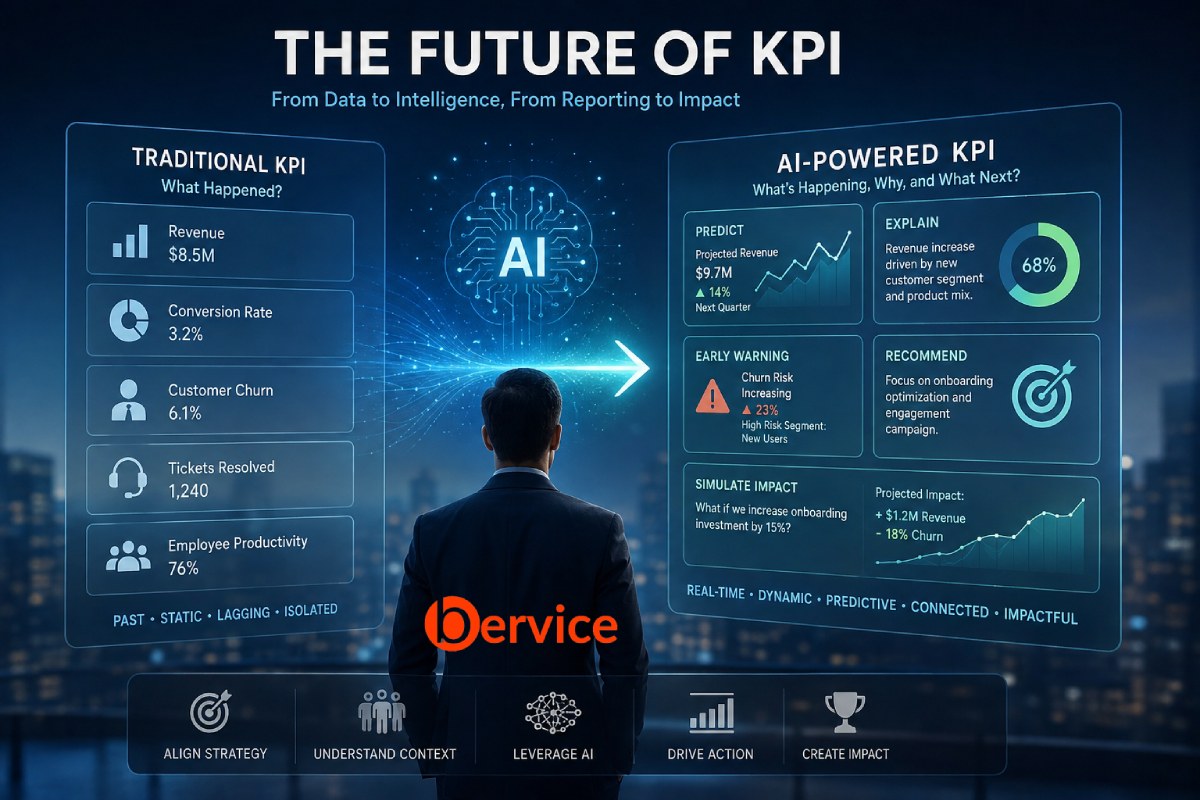
The New Shape of KPIs in the Age of AI
From Measuring Performance to Understanding Impact For decades, organizations have relied on Key Performance Indicators, or KPIs, to answer a seemingly simple question: Are we performing well? Revenue growth, conversion rates, customer acquisition costs, employee productivity, churn, delivery times, sales quotas, and countless other metrics have become the language of modern management. But there…
-

How Supply Chain Industries Can Use Artificial Intelligence
1. Introduction: Why Supply Chains Need AI Supply chains are no longer simple systems of moving products from one place to another. They are complex networks of suppliers, factories, warehouses, logistics providers, distributors, retailers, and customers. Every small delay, price change, shortage, or demand shift can affect the entire chain. Artificial Intelligence can help…
-

How Local AI Agents Can Transform Businesses
From Automation to Intelligent Decision-Making Introduction In recent years, artificial intelligence has rapidly evolved from a cloud-dependent capability into something far more accessible and powerful: local AI agents. These are AI systems that run directly on a company’s own infrastructure, whether on-premise servers, edge devices, or even high-performance personal computers. Unlike traditional SaaS AI…
-
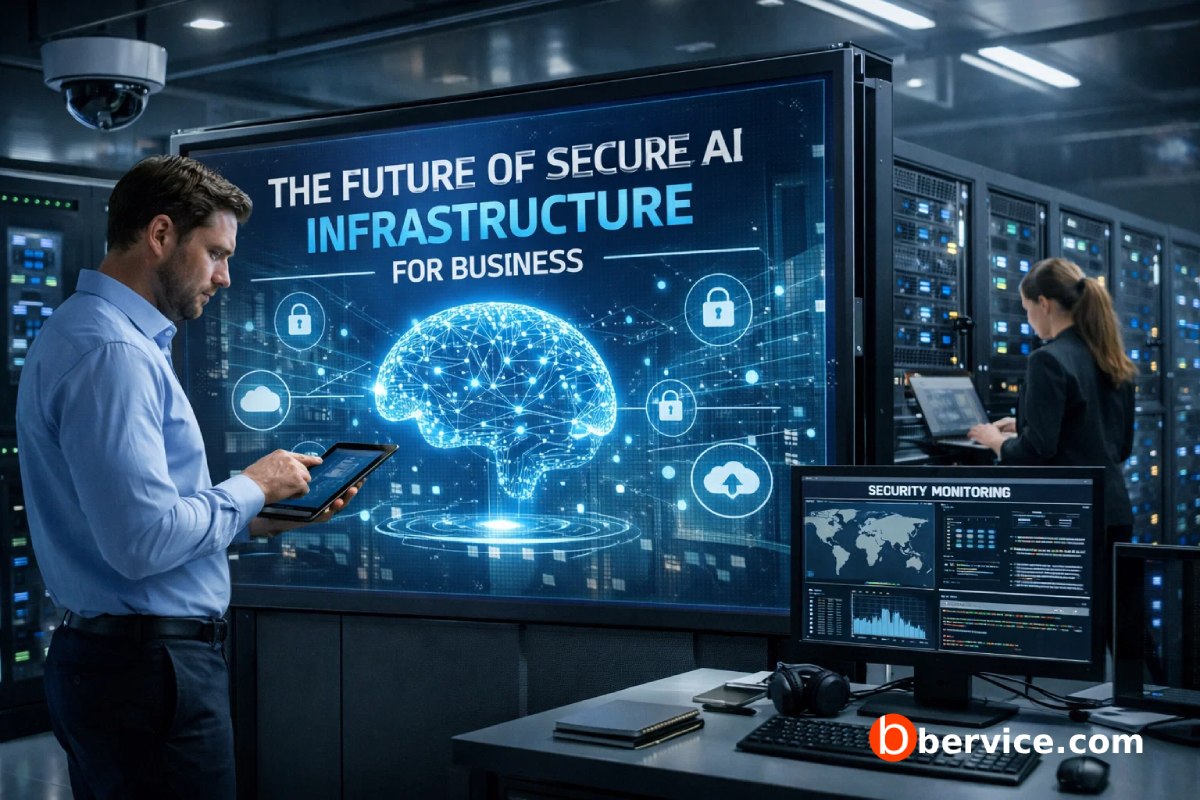
The Future of Secure AI Infrastructure for Business
Introduction: A New Era of AI AdoptionIn the near future, we will see the rise of new digital infrastructures that allow companies, organizations, and users to benefit from artificial intelligence without sacrificing security, privacy, or control over sensitive information. As AI becomes more central to decision making, operations, customer service, internal analysis, and strategic…
-
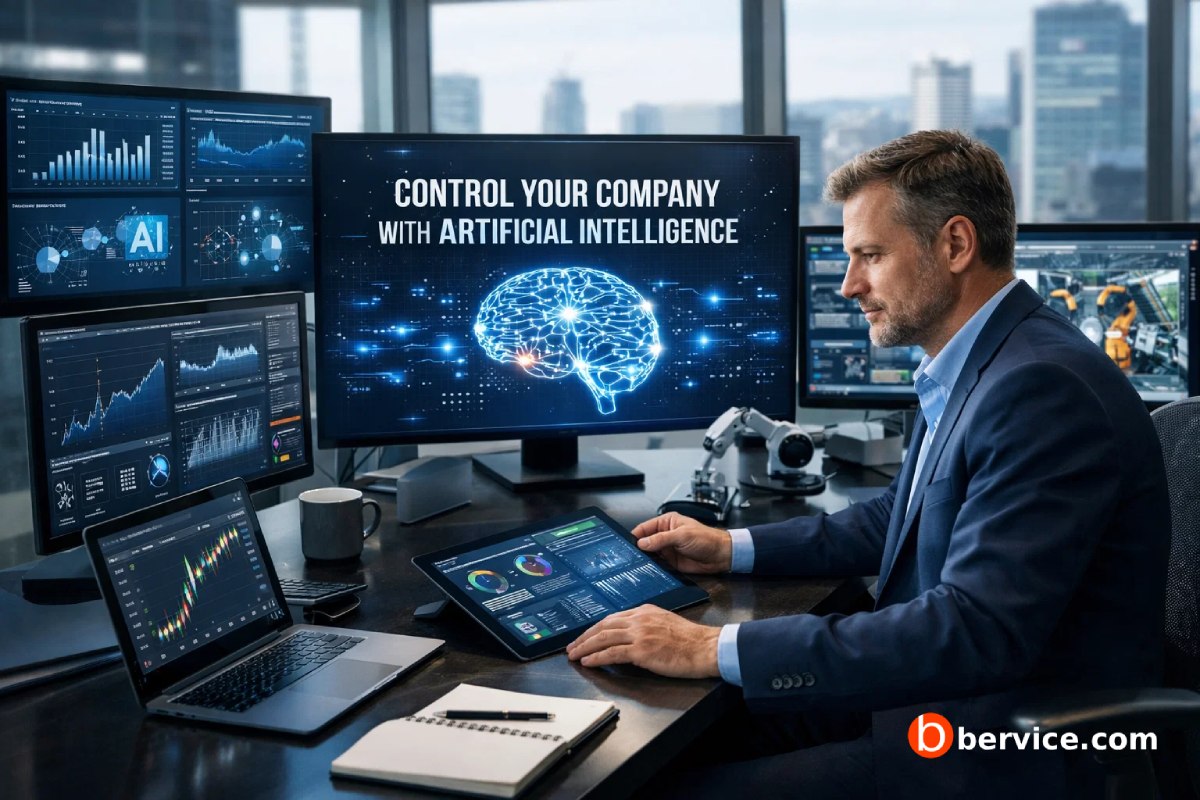
Control Your Company with Artificial Intelligence
Introduction Modern companies generate an enormous amount of data every day, yet many important decisions are still made through incomplete reports, flawed human interpretation, and emotional judgment. In fast moving technology businesses, this creates a dangerous gap between reality and leadership perception. Teams may believe they are acting on facts, while in practice they…