-
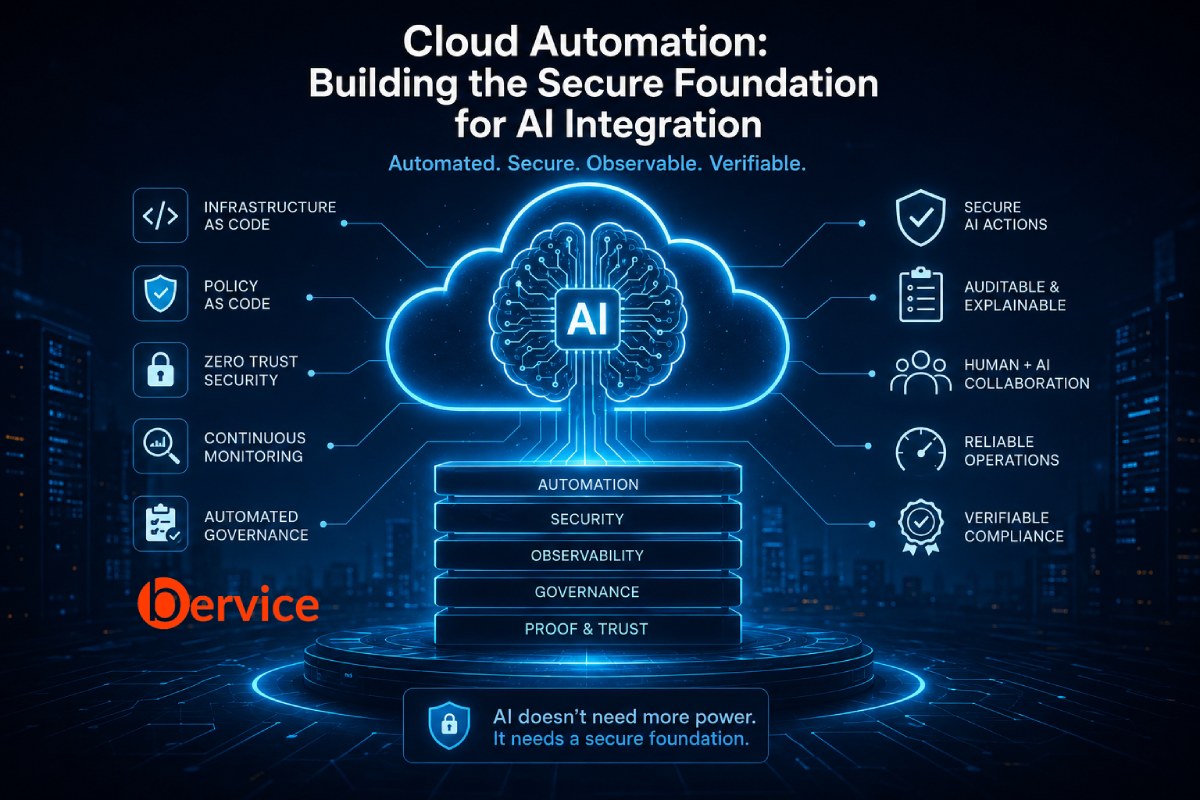
Cloud Automation: Building the Secure Foundation for AI Integration
Artificial Intelligence Doesn’t Fail Because of Intelligence. It Fails Because of Infrastructure. Artificial Intelligence is entering every layer of modern business. Organizations are embedding AI into customer support, software development, cybersecurity, finance, healthcare, manufacturing, and cloud operations. Yet despite massive investments, many AI initiatives never reach production or fail to deliver long term value.…
-
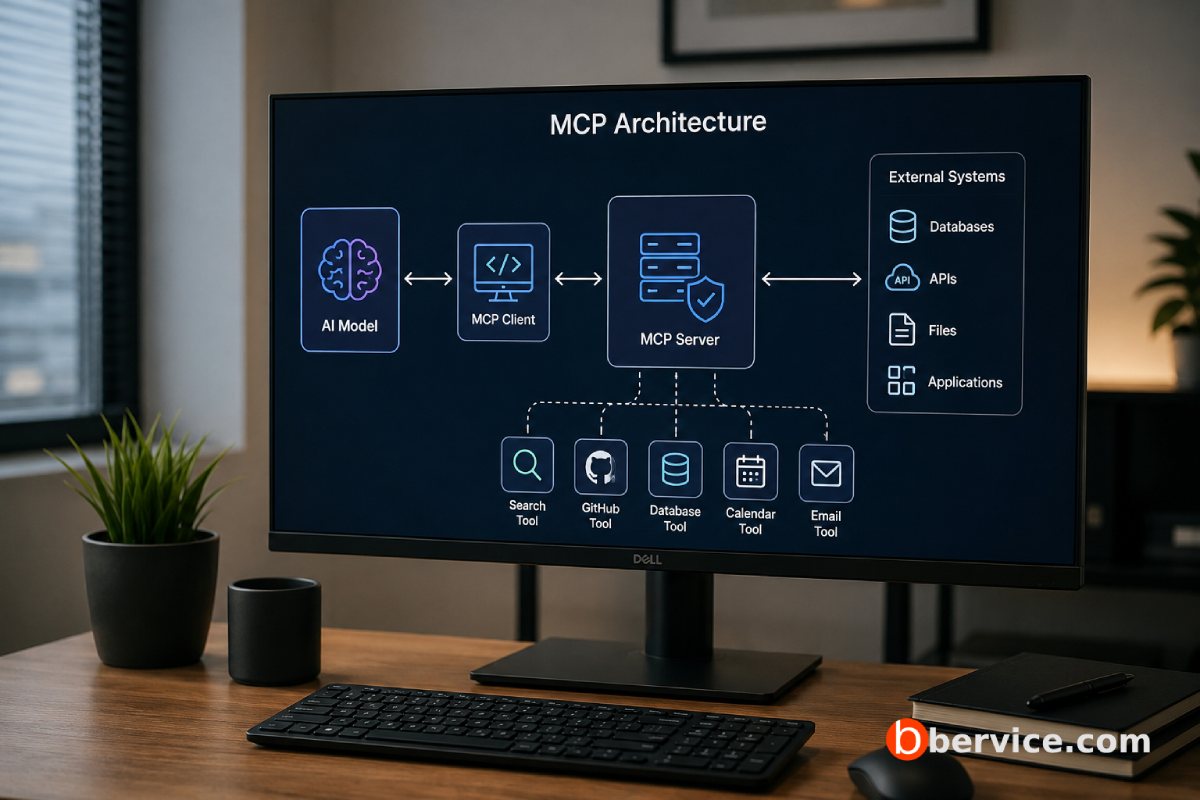
MCP Servers in Artificial Intelligence
From Beginner Concepts to Advanced Architecture Artificial Intelligence is rapidly evolving from simple chatbots into fully autonomous systems capable of reasoning, planning, coding, searching, analyzing documents, controlling software, and interacting with real-world services. One of the technologies helping enable this transformation is the rise of MCP Servers. For many people, MCP sounds highly technical…
-

Why Artificial Intelligence Needs Data, and What You Must Protect When Sharing Your Information with Online and Cloud Based AI Platforms
Introduction Artificial intelligence does not improve in isolation. It becomes more useful, accurate, adaptive, and capable through exposure to data. Data allows AI systems to recognize patterns, understand language, refine predictions, personalize outputs, and improve performance over time. In simple terms, data is the raw material that powers the learning, adjustment, and practical value…
-

The Rise of Local AI Processing and the Security Limits of Cloud Intelligence
Introduction: A Structural Shift in AI Infrastructure Artificial intelligence has rapidly evolved from a research domain into a foundational layer of modern digital systems. Much of this growth has been enabled by cloud computing, where centralized infrastructures provide scalable processing power. However, a structural shift is emerging. Local AI processing where computation happens directly…
-

Intelligent Traffic Distribution with Layer 7 Load Balancers
Introduction: Load Balancing Is Not Just Distribution In modern cloud-native architectures, handling traffic is no longer about simply spreading requests evenly across servers. It is about understanding requests, predicting behavior, and making context-aware routing decisions. This is where Layer 7 (Application Layer) Load Balancers fundamentally change the game. Unlike lower-layer balancers, Layer 7 load…