-
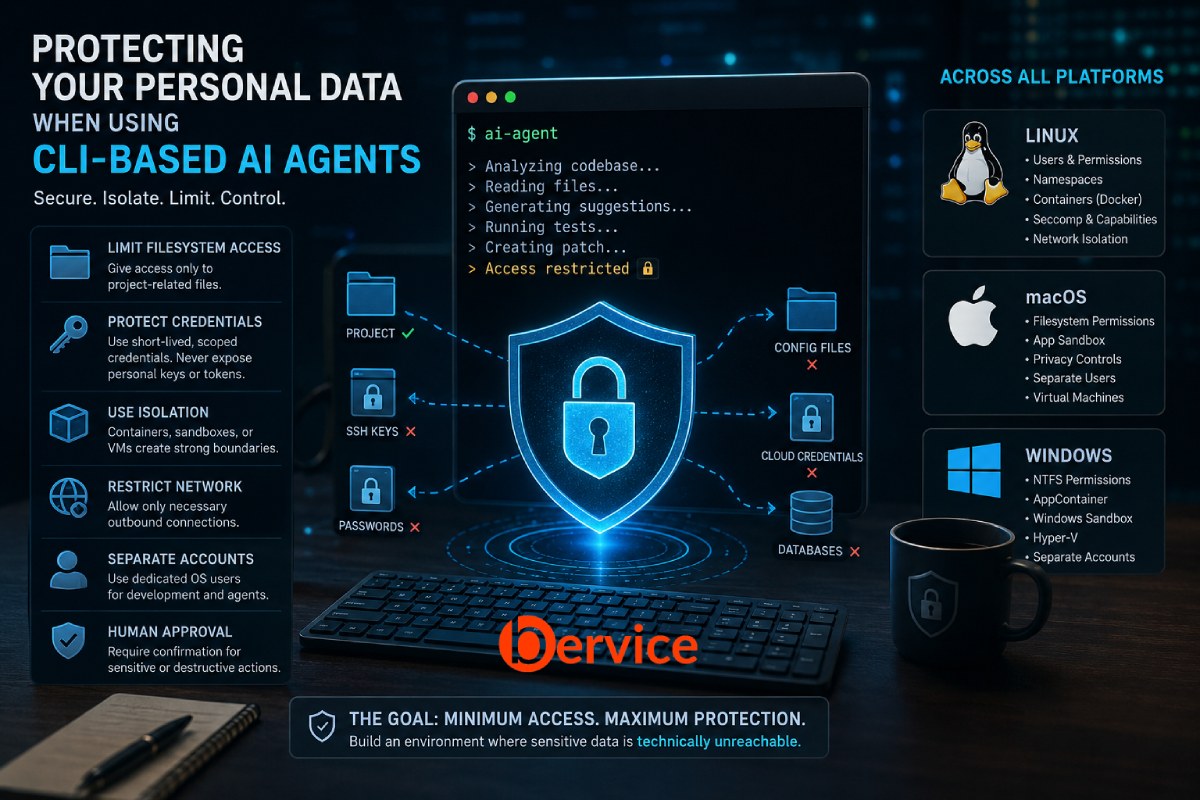
Protecting Personal Data When Using CLI-Based AI Agents on Linux, macOS, and Windows
Introduction AI agents are moving out of the browser and into one of the most powerful environments on a computer: the command line. CLI-based AI agents can inspect repositories, read files, execute commands, install dependencies, interact with Git, call APIs, modify configuration files, and sometimes control large portions of a development environment. That power…
-
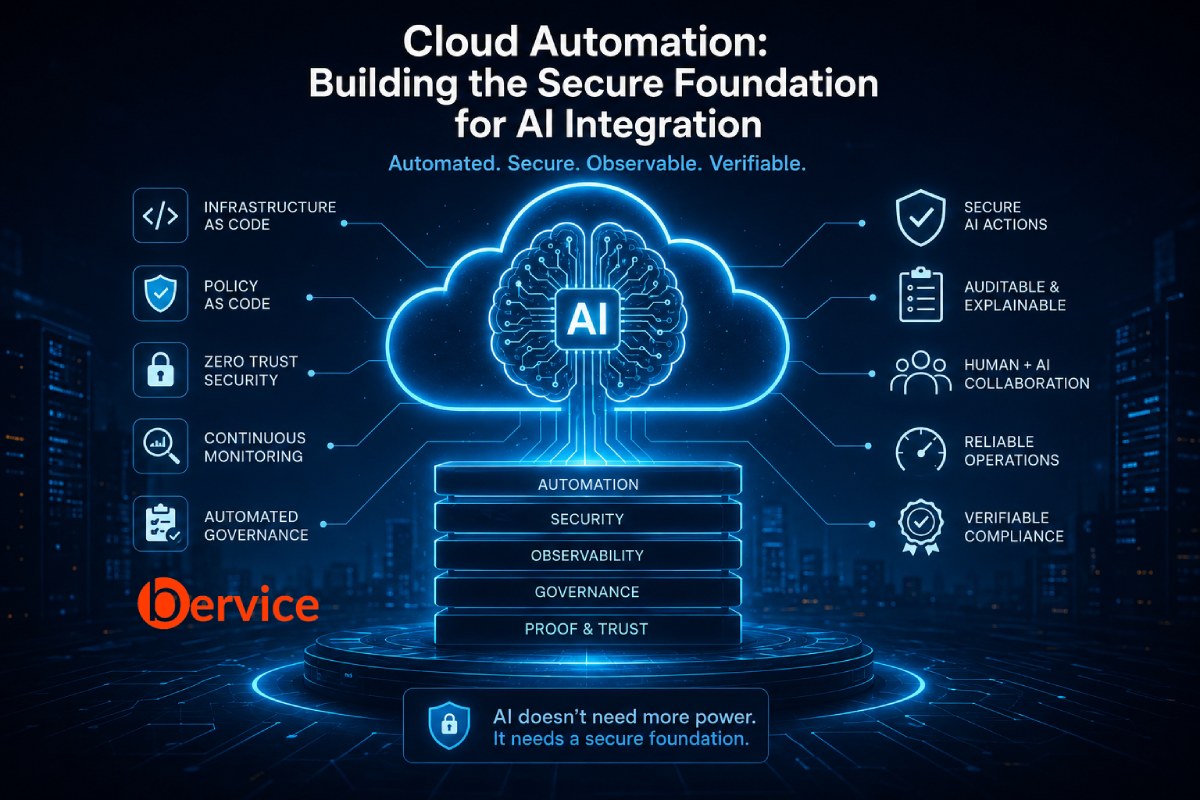
Cloud Automation: Building the Secure Foundation for AI Integration
Artificial Intelligence Doesn’t Fail Because of Intelligence. It Fails Because of Infrastructure. Artificial Intelligence is entering every layer of modern business. Organizations are embedding AI into customer support, software development, cybersecurity, finance, healthcare, manufacturing, and cloud operations. Yet despite massive investments, many AI initiatives never reach production or fail to deliver long term value.…
-

Building an AI Powered Security Operations Center (SOC)
How Large Language Models Are Transforming Log Analysis, Incident Response, and Threat Hunting Introduction Modern Security Operations Centers (SOCs) face an overwhelming challenge. Every day, organizations generate millions of security events from firewalls, cloud platforms, identity providers, endpoint protection tools, applications, databases, and network devices. While security technologies have become increasingly sophisticated, the volume…
-
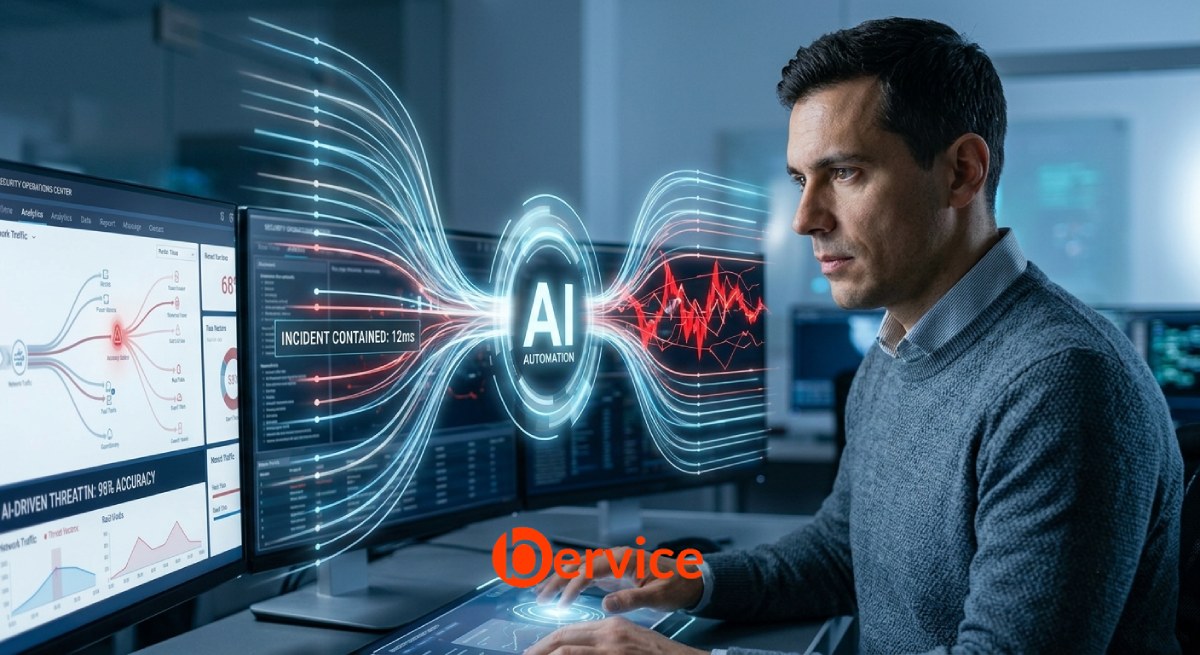
Why Traditional Security Is No Longer Enough: Why AI Must Become Part of Your Security Architecture
Introduction For decades, cybersecurity has been built on a simple assumption: if organizations could build stronger walls, attackers would eventually give up. Firewalls became smarter. Antivirus software became faster. Intrusion Detection Systems became more sophisticated. Security teams invested billions in prevention. Yet despite all these investments, cyberattacks continue to increase in both frequency and…
-

Ghost Code Processes That No Longer Exist Yet Still Run
Introduction In operating systems, death is not always final. A process may terminate its execution, release most of its resources, and yet continue to “exist” in a suspended, ghost-like state. These so-called zombie processes are not active in the traditional sense they do not consume CPU cycles or execute instructions but they remain recorded…