-
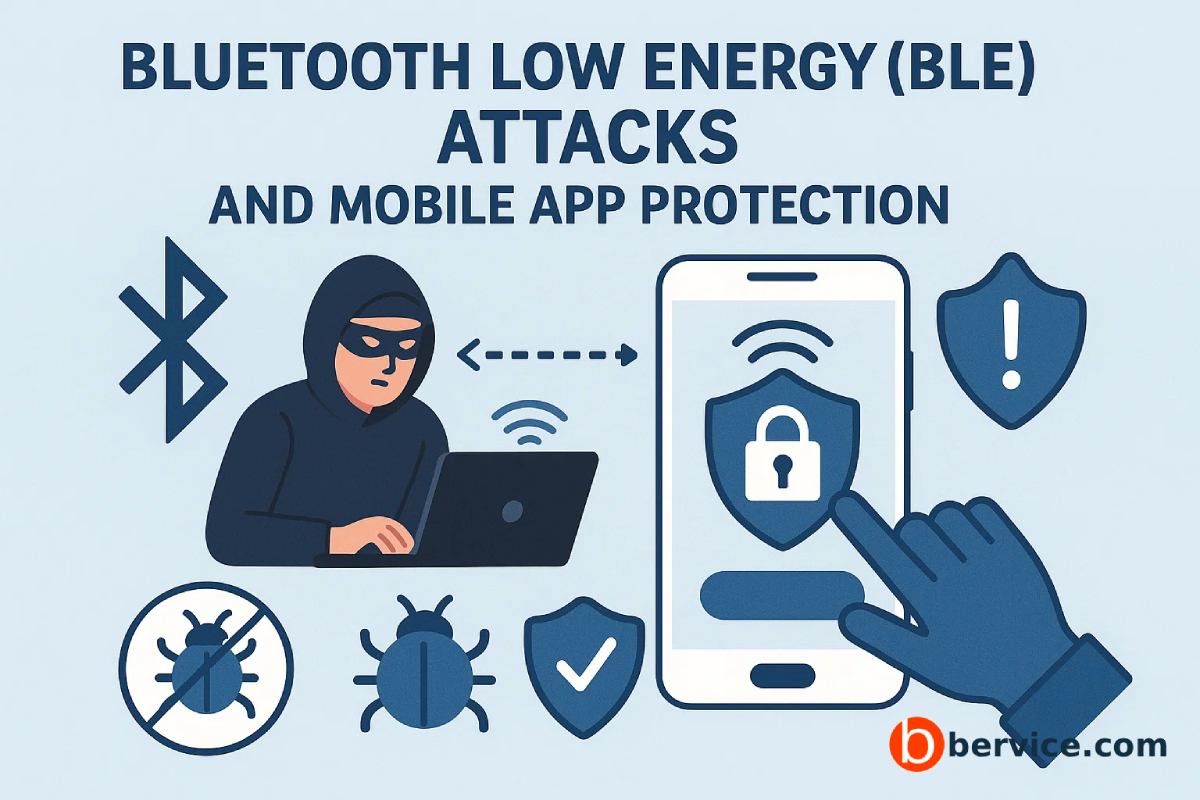
Bluetooth Low Energy (BLE) Attacks and Mobile App Protection
1. Understanding BLE and Its Security Exposure Bluetooth Low Energy (BLE) has become the foundation for modern wireless communication between IoT devices, wearables, and mobile applications. Its low power consumption and fast connection establishment make it ideal for health sensors, smart locks, and tracking devices.However, this convenience introduces a hidden risk: BLE communications often…
-

Hardware-Level Cryptography with Intel SGX: Securing the Untrusted World
Introduction In a world where malware, rootkits, and insider threats constantly evolve, traditional software-based security is no longer enough. Intel Software Guard Extensions (SGX) takes a different path — embedding cryptographic isolation directly into the processor. By creating a trusted execution environment (TEE) within the CPU, SGX allows sensitive code and data to run…
-
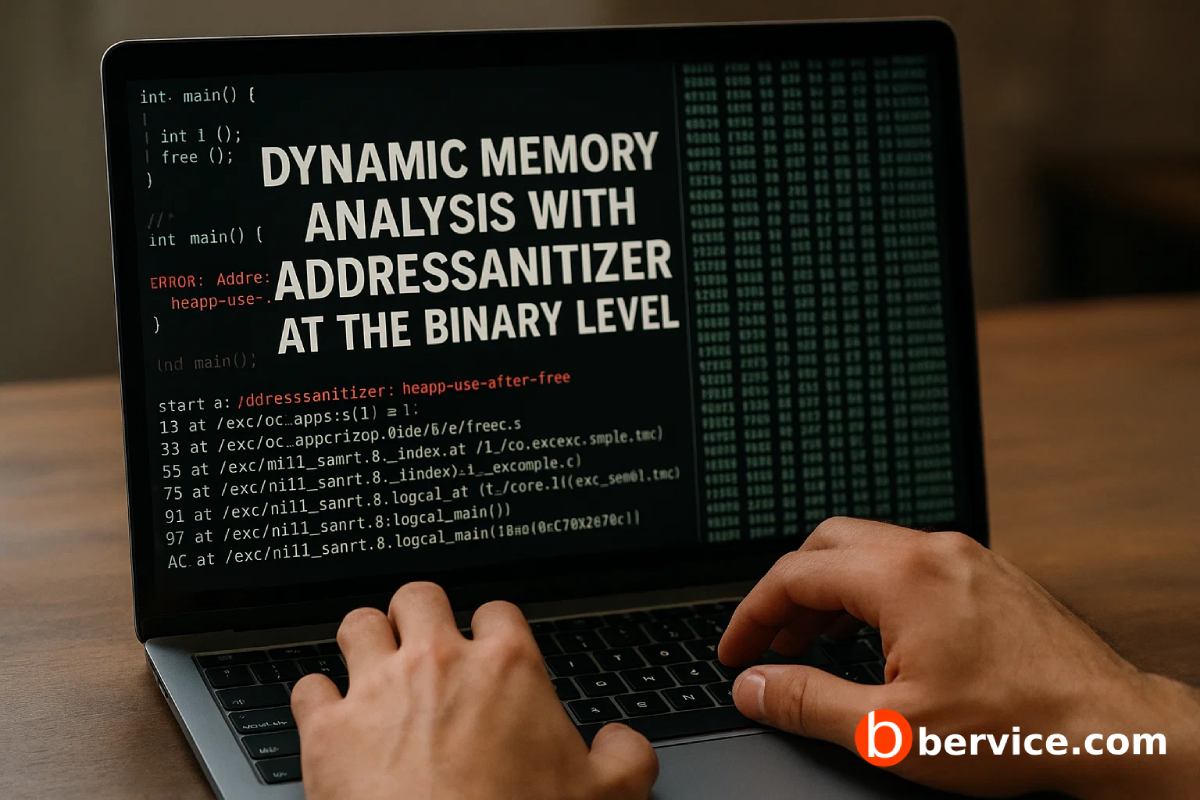
Dynamic Memory Analysis with AddressSanitizer at the Binary Level
Memory bugs are silent killers in software systems. They don’t just crash applications — they open doors for data corruption, undefined behavior, and exploitable security holes. Static analysis can help, but it’s often blind to runtime behavior. That’s where AddressSanitizer (ASan) comes in — a brutal, low-level memory checker that catches your mistakes as…
-

Hypervisor-level Exploits: Why VM Isolation Isn’t a Silver Bullet
Virtualization is everywhere: cloud providers, enterprise datacenters, developer laptops, CI runners. It looks safe — each workload sits in its own virtual machine (VM), separated by the hypervisor. That visual separation lulls engineers into false confidence. Here’s the blunt truth: if the hypervisor breaks, your isolation is meaningless. Hypervisor-level exploits (VM escape, hypervisor compromise,…
-
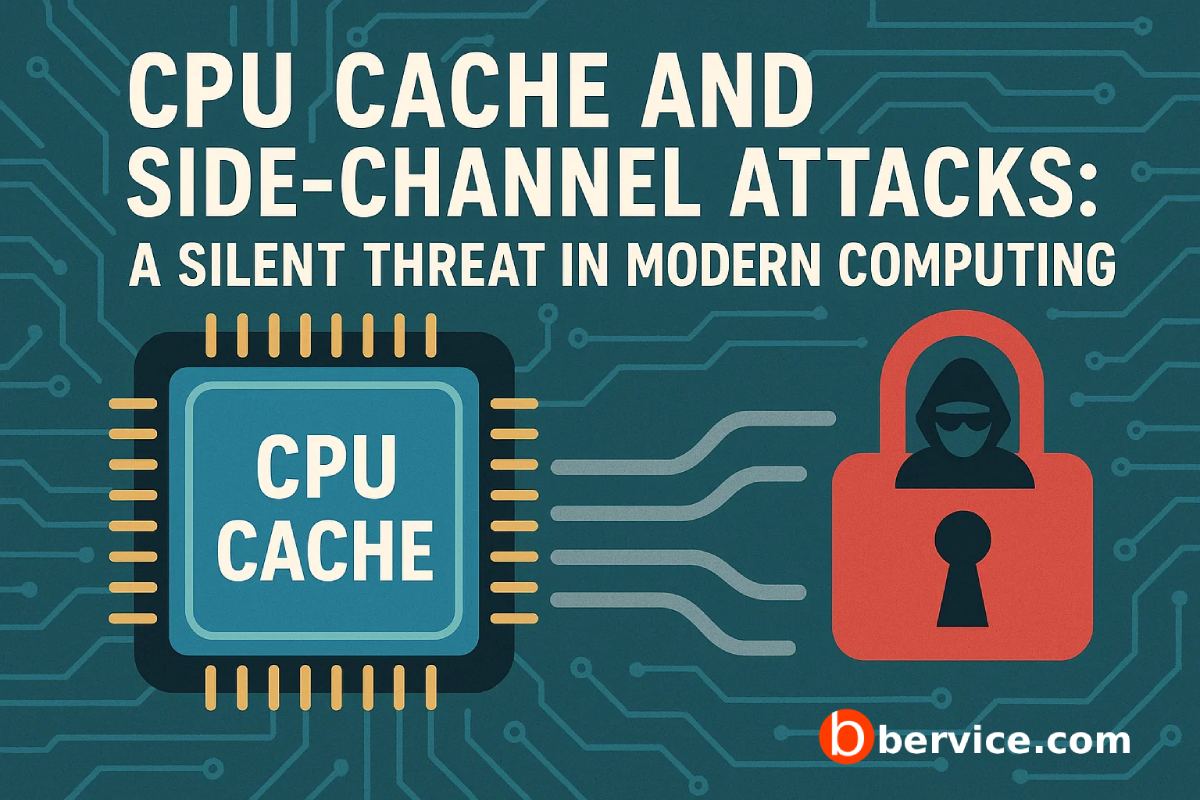
CPU Cache and Side-Channel Attacks: A Silent Threat in Modern Computing
1. Introduction: When Speed Becomes a Double-Edged Sword The CPU cache—L1, L2, and L3—is designed to make computing faster. It keeps frequently used data close to the processor, drastically reducing memory latency and improving performance. But this performance boost comes with a critical trade-off: it opens the door to side-channel attacks. These attacks don’t…