-
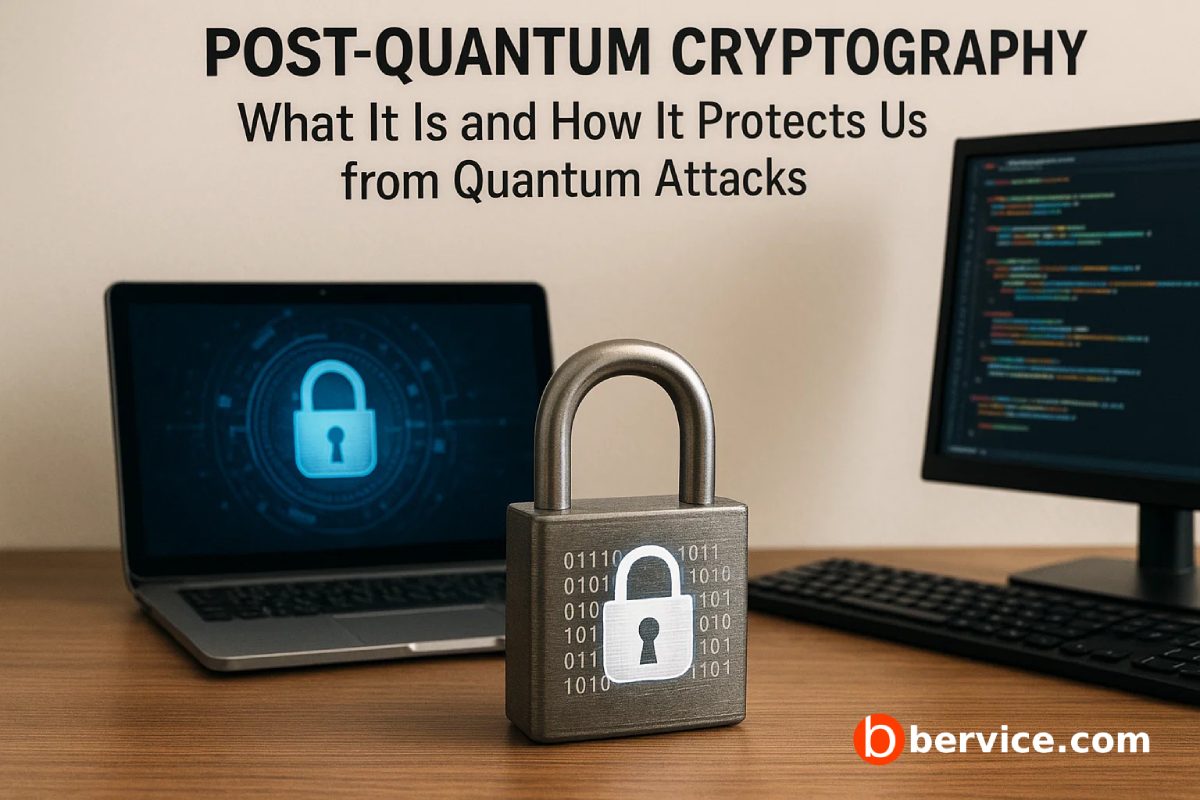
Post-Quantum Cryptography: What It Is and How It Protects Us from Quantum Attacks
Introduction The digital world depends on cryptography that was designed for classical computers. Protocols like RSA, Diffie–Hellman, and elliptic-curve cryptography (ECC) secure everything payments, messaging, software updates, VPNs, authentication.But here’s the uncomfortable truth: a sufficiently powerful quantum computer can break all of them using Shor’s algorithm. This is exactly why post-quantum cryptography exists. PQC…
-
When Neural Networks Start Whispering: The Hidden Languages Inside Modern AI
Artificial intelligence systems are no longer just tools following explicit rules; they are becoming ecosystems where layers collaborate in ways that even their creators don’t fully understand. Modern deep learning especially large-scale Transformers exhibits behaviors that push beyond traditional explainability. As these networks grow more complex, they begin forming internal representations and interactions that…
-
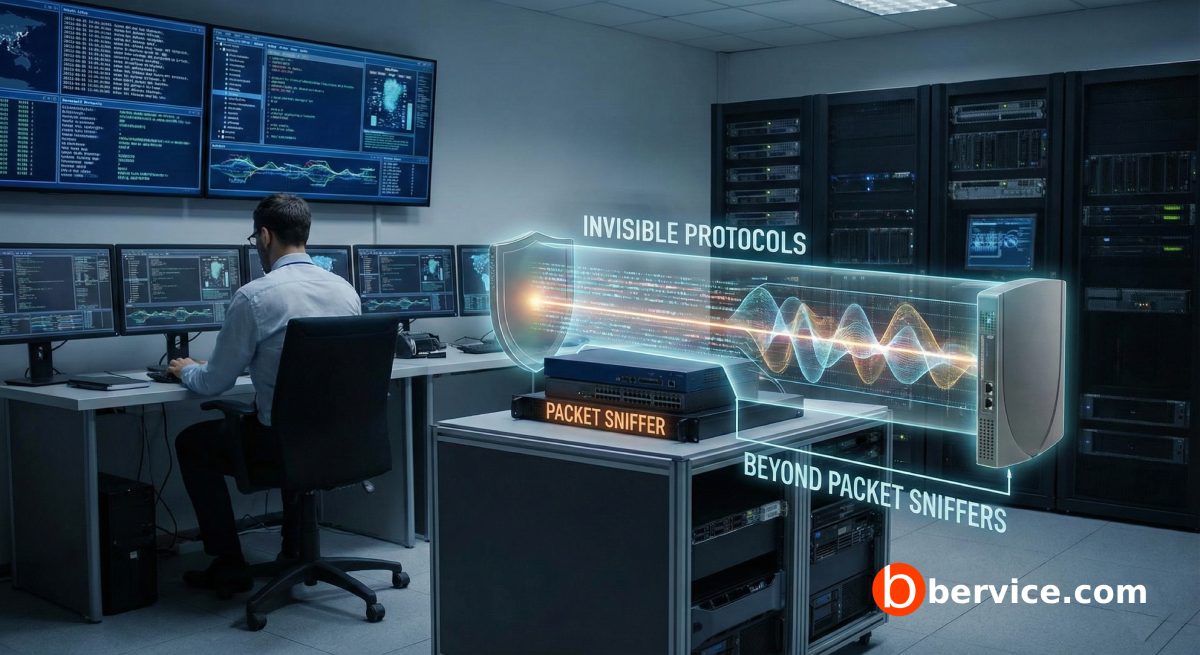
Invisible Protocols When Networks Communicate Beyond the Reach of Packet Sniffers
Most engineers cling to the illusion that packet-level visibility is the final source of truth. It isn’t. Modern distributed networks have evolved to the point where parts of the system remain active, coordinated, and decision-capable even when no observable IP packets exist. Mesh architectures, SDN overlays, and embedded avionics networks increasingly exchange metadata through…
-
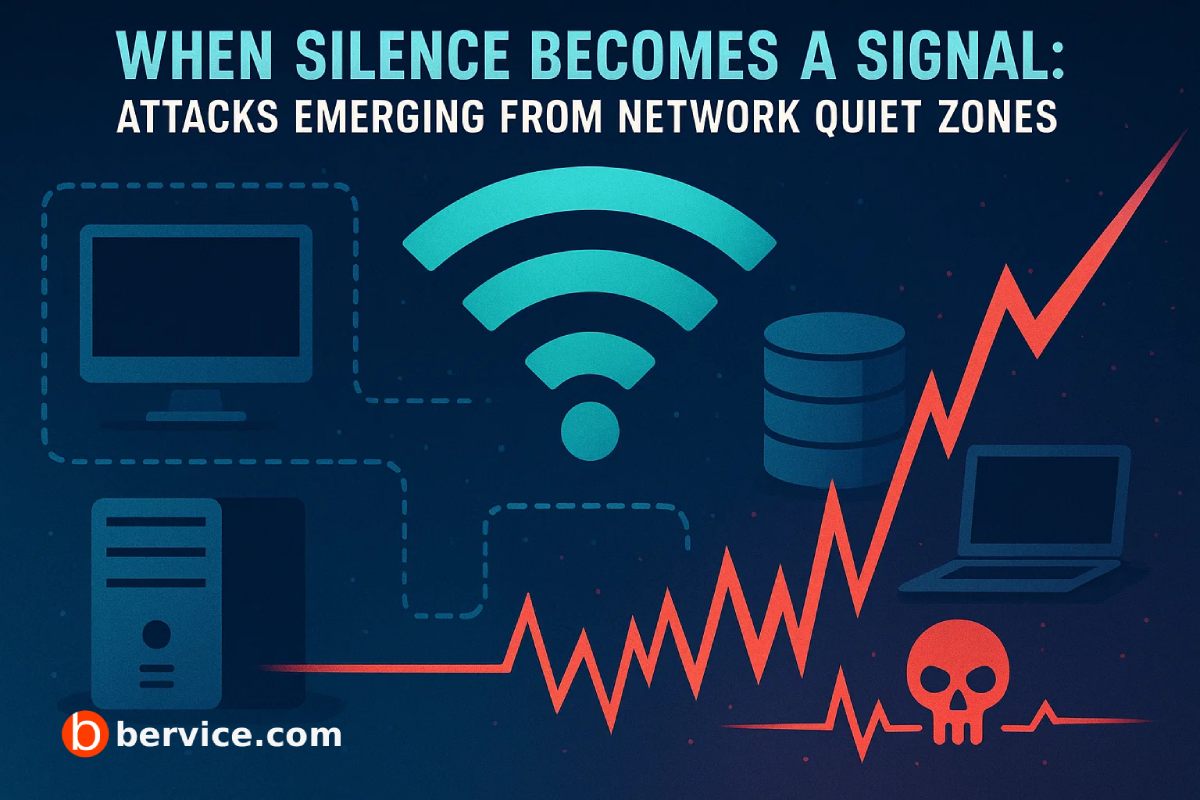
When Silence Becomes a Signal: Attacks Emerging From Network Quiet Zones
Advanced intrusions rarely announce themselves. In fact, some of the most dangerous breaches begin with the opposite: a sudden absence of the traffic patterns you expect. Modern networks create predictable rhythms ARP chatter, DNS lookups, routine broadcast noise, service heartbeats. When those patterns collapse, the silence isn’t calm; it’s a warning. 1. The Hidden…
-
When Cryptography Depends on Noise, Not Data: The Hidden Risk in Quantum-Safe Systems
Quantum-safe cryptography is often promoted as the long-term shield against quantum attacks, but a critical blind spot is rarely discussed: some of these schemes fundamentally rely on noise and noise is a physical phenomenon, not a mathematical one.Once your security depends on unpredictable errors, anyone who can control those errors can start bending the…