-
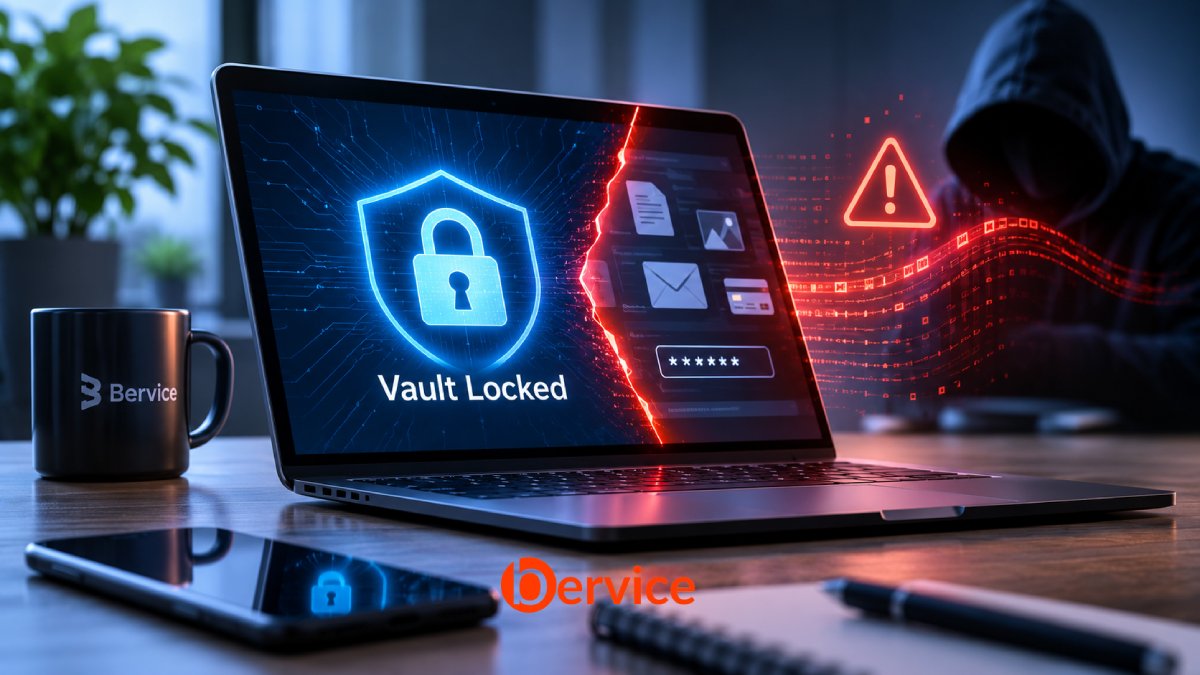
Your Vault Is Locked. Your Laptop Is Open.
The Hidden Limits of Encryption When Your Device Is Compromised We have learned to trust encryption. We encrypt our files, protect our passwords, secure our databases, and place our most sensitive information inside digital vaults. We believe that as long as the encryption is strong enough, our data remains safe. But there is a…
-
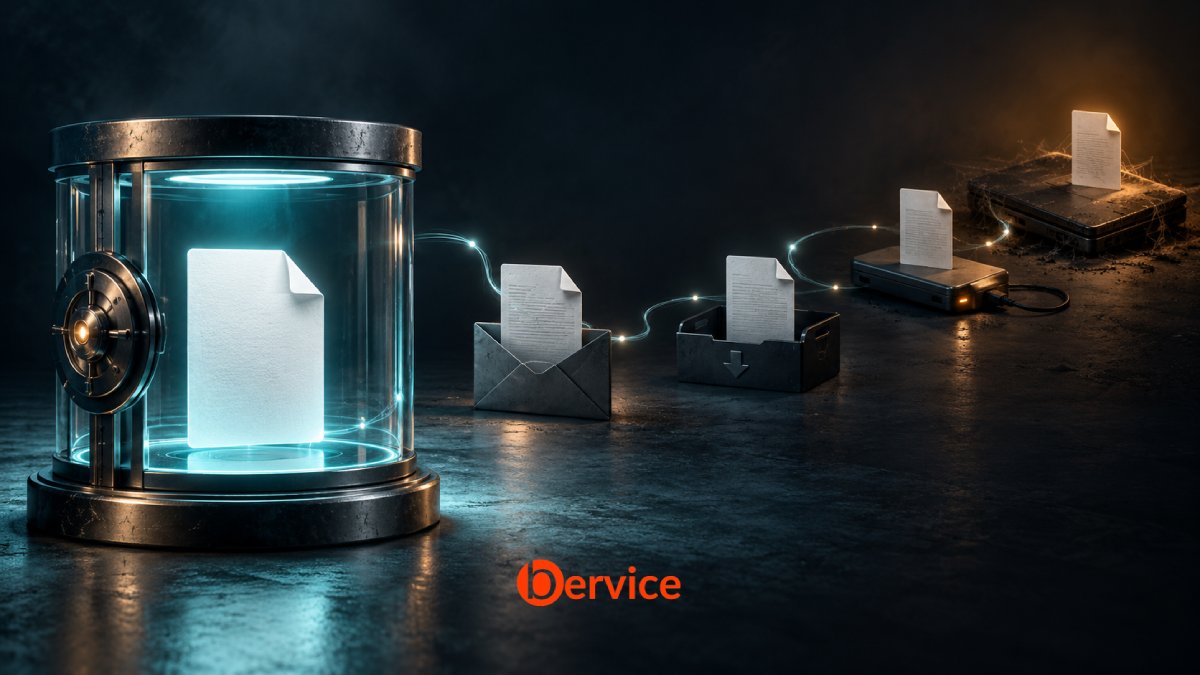
The Most Dangerous Copy Is the One You Forgot Exists
Your sensitive files may be protected where you keep them. What about everywhere they used to be? You move an important document into a secure vault. You check the password, review the access settings, and remove the original from your desktop. Everything appears to be in order. But three months earlier, you emailed that…
-
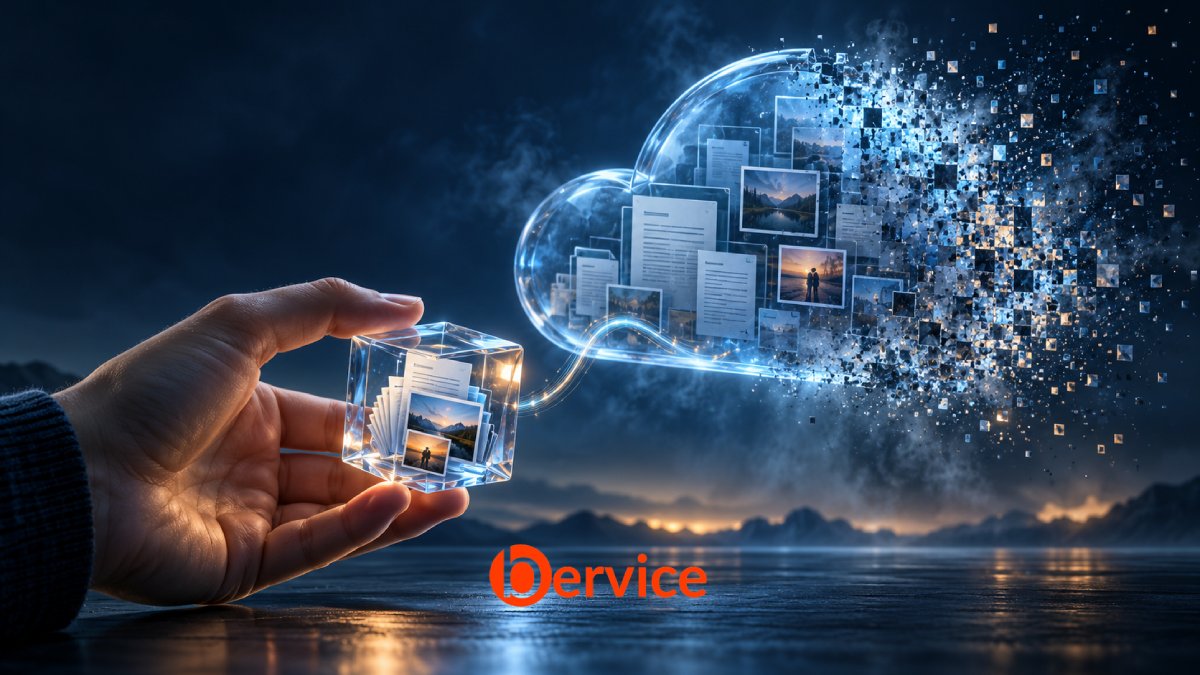
Who Owns Your Digital Life When a Platform Disappears?
Your files may belong to you. Your ability to access them may depend on someone else. Imagine opening the app where you have stored years of work. Instead of your documents, you see a shutdown notice. Or a message saying your account has been suspended. Your folders, photographs, contracts, and conversations are suddenly out…
-
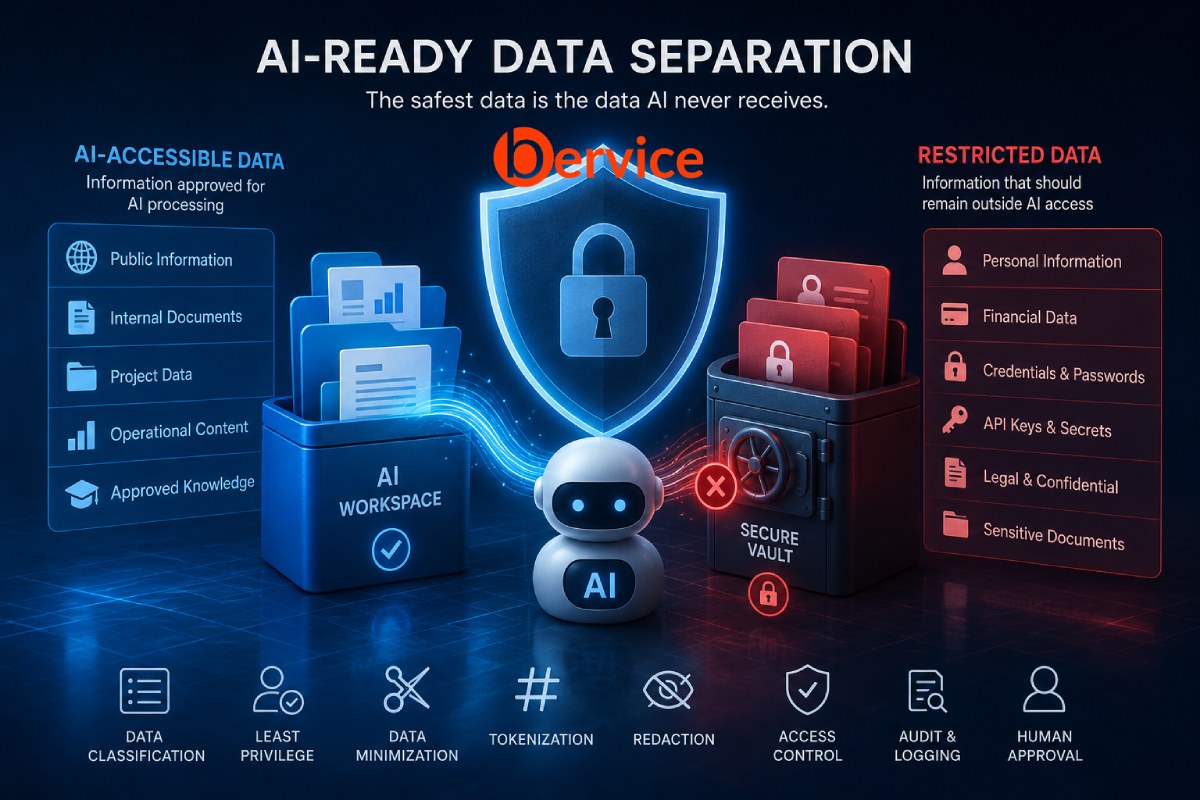
Separating Everyday Data from Sensitive Information in the Age of AI
Introduction Artificial intelligence is rapidly becoming part of everyday digital life. AI systems can now help us write emails, analyze documents, summarize meetings, search company knowledge, generate software, manage projects, analyze financial information, and automate repetitive work. The productivity benefits are enormous. But the expansion of AI into our daily workflows introduces a fundamental…
-
Post-Quantum Cryptography (PQC) Securing the Digital World Against Quantum Computers
Introduction Why Cryptography Must Evolve Modern digital security is built on cryptographic foundations such as RSA, ECC, and Diffie–Hellman. These algorithms protect everything from online banking and cloud storage to messaging apps and national infrastructure. However, the emergence of quantum computing threatens to undermine this foundation entirely. Quantum computers, once sufficiently powerful, will be…