-
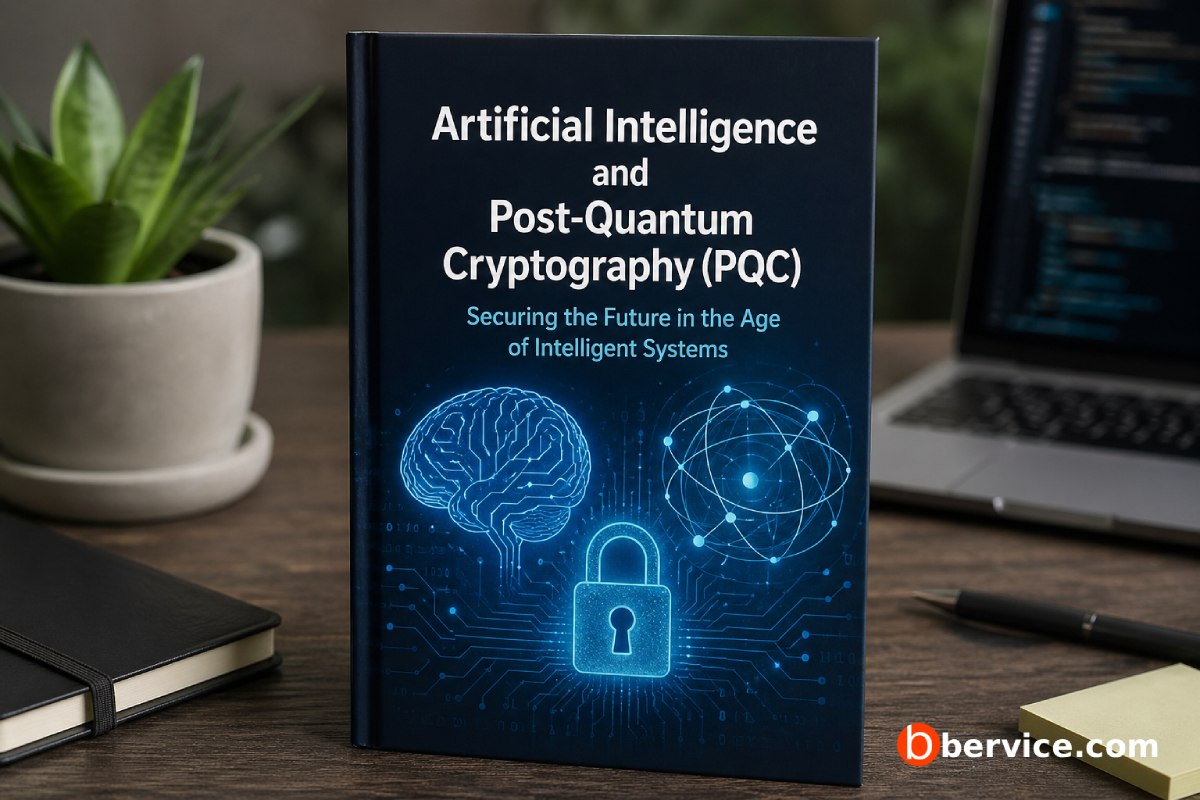
Artificial Intelligence and Post-Quantum Cryptography (PQC)
Securing the Future in the Age of Intelligent Systems 1. Introduction: Two Converging Frontiers Artificial Intelligence (AI) and Post-Quantum Cryptography (PQC) represent two of the most transformative technological forces shaping the future. While AI is accelerating automation, decision-making, and system intelligence, quantum computing threatens to break the very cryptographic foundations that secure today’s digital…
-

Why Artificial Intelligence Needs Data, and What You Must Protect When Sharing Your Information with Online and Cloud Based AI Platforms
Introduction Artificial intelligence does not improve in isolation. It becomes more useful, accurate, adaptive, and capable through exposure to data. Data allows AI systems to recognize patterns, understand language, refine predictions, personalize outputs, and improve performance over time. In simple terms, data is the raw material that powers the learning, adjustment, and practical value…
-
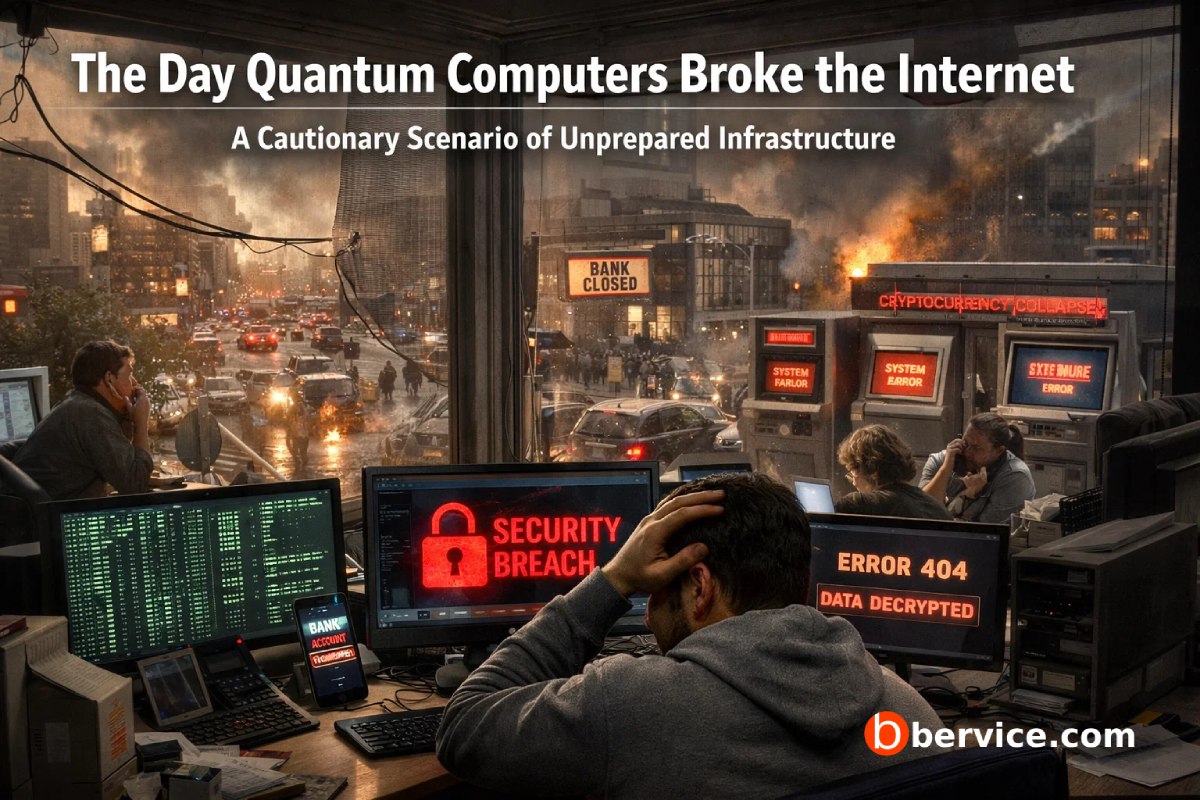
The Day Quantum Computers Broke the Internet
A Cautionary Scenario of Unprepared Infrastructure Prologue: The Morning Nothing Failed The day began quietly. No alarms. No warnings. Banks opened. Hospitals ran. Governments logged in.Every system reported green. Somewhere else, far from public dashboards and compliance reports, the first large scale fault tolerant quantum computer finished a calculation that classical machines would need…
-

What Is NIST? Its Mission and Its Role in the Post-Quantum Cryptography Transition
Introduction As digital systems become more interconnected and long-lived, cryptography has shifted from being a purely technical concern to a matter of national infrastructure and global trust. One organization has played a central role in shaping how cryptography is standardized and adopted worldwide: National Institute of Standards and Technology, commonly known as NIST. In…
-
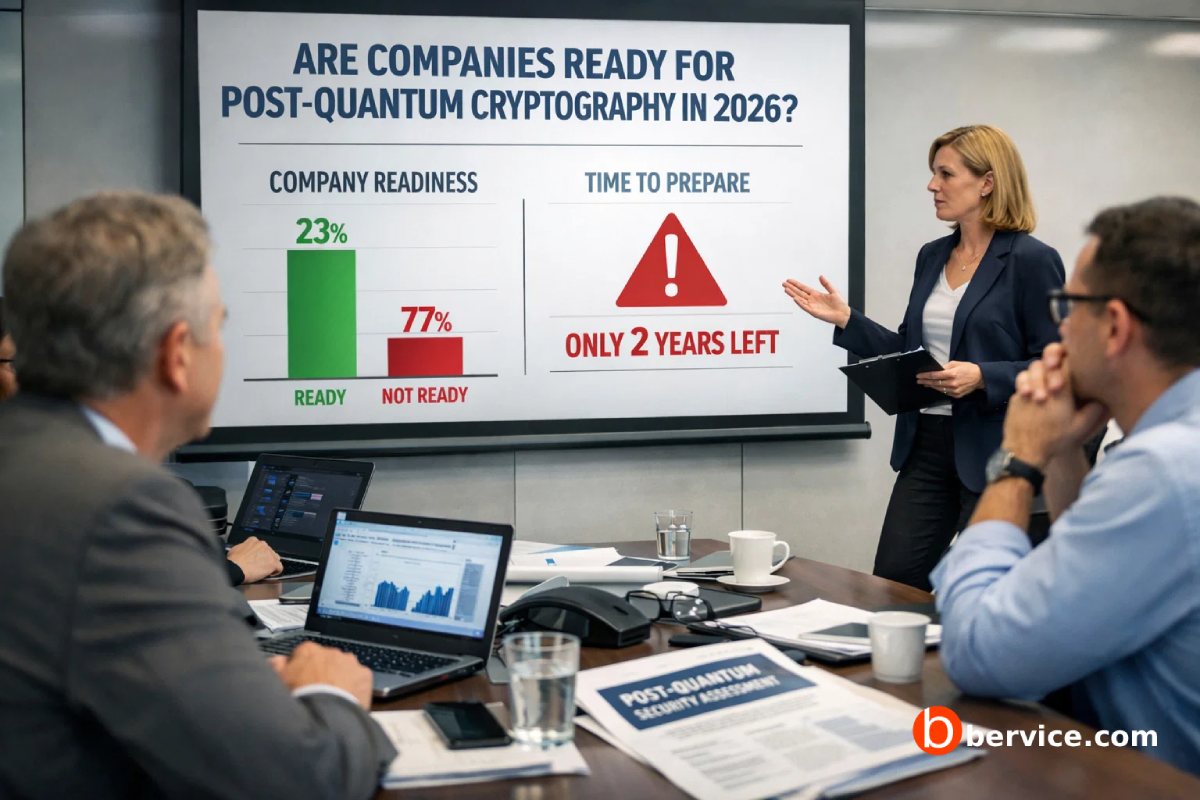
Are companies ready for post quantum cryptography in 2026
In early 2026, many organizations are aware of post quantum cryptography, but most are not fully transitioned. The common situation is: planning has started, pilots are happening, and inventories are being built, while broad production rollout is still limited to specific parts of the stack like web traffic at large CDNs or selected cloud…