-
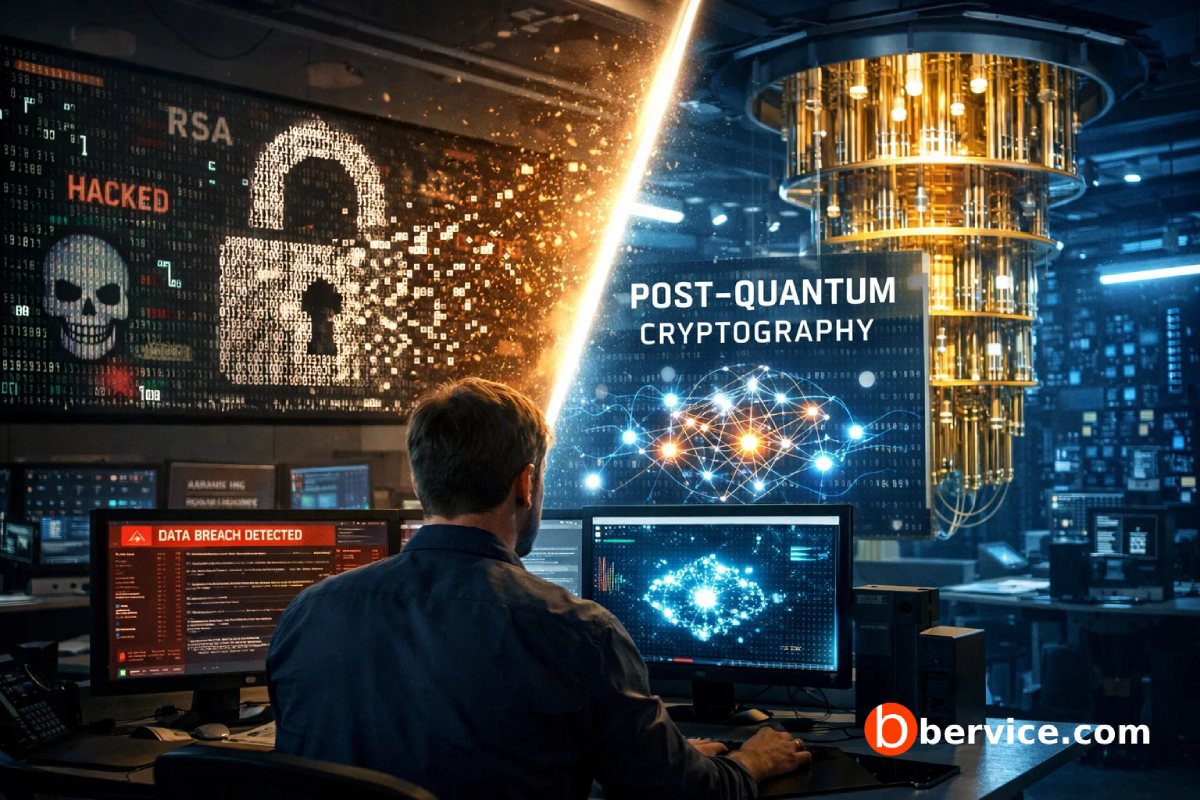
A Major Transformation in Cybersecurity Post Quantum Cryptography
Introduction The rapid advancement of quantum computing is reshaping the landscape of cybersecurity. While large-scale, fault-tolerant quantum computers are not yet widely available, their eventual emergence poses a serious threat to many of today’s cryptographic systems. Algorithms such as RSA, ECC, and Diffie–Hellman, which underpin global digital security, are vulnerable to quantum attacks most…
-

Malvertising How Cybercriminals Exploit Trust to Steal User Data
In recent years, cybercriminals have significantly refined their tactics to deceive users. Rather than relying on crude scams or obvious malware, attackers now invest time and resources into analyzing emerging technologies, user behavior, and legitimate digital ecosystems. Their goal is simple but dangerous: blend malicious activity seamlessly into everyday online experiences. According to a…
-
Hardware Hacking Attacks That Start at the Silicon Level
For years, cybersecurity has been dominated by a software-centric mindset. Firewalls, antivirus engines, EDR, and application security reviews all assume one thing: that the hardware beneath them is trustworthy. That assumption is increasingly wrong. Modern attackers do not stop at operating systems or applications they go deeper, down to firmware, microcode, and even the…
-
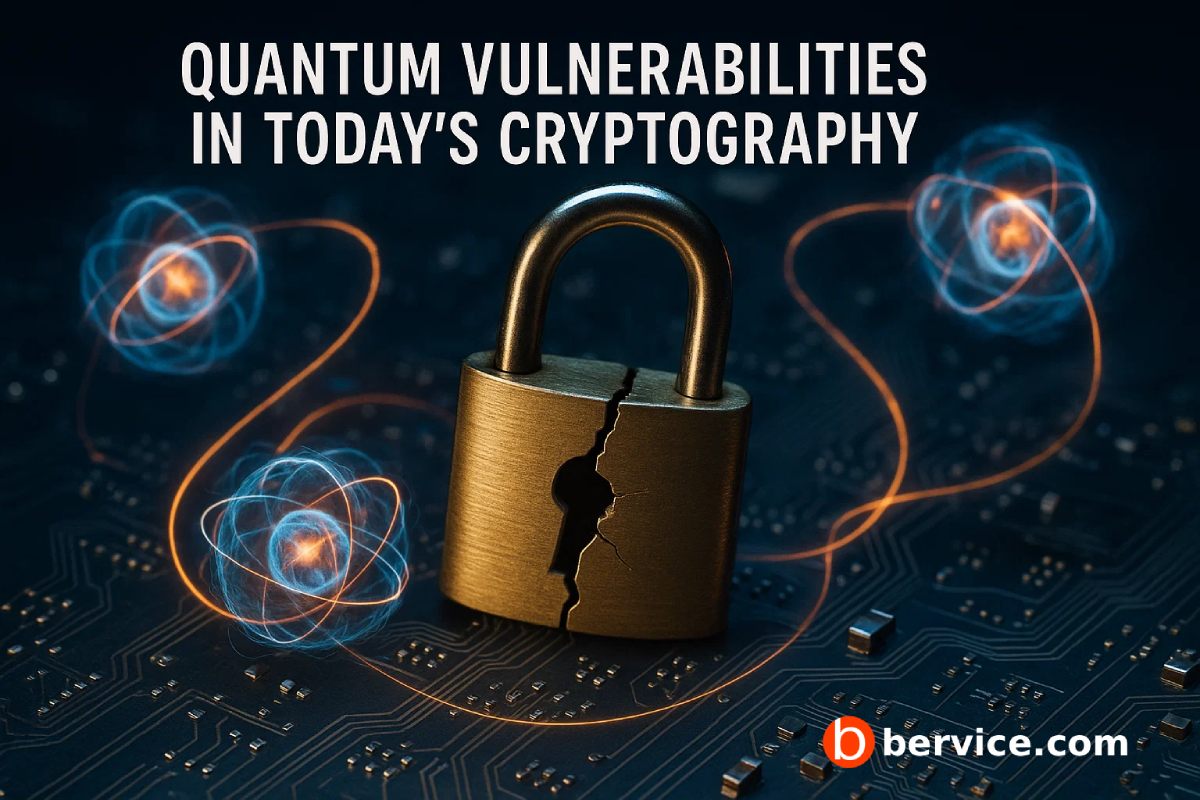
Quantum Vulnerabilities in Today’s Cryptography
A Historical Perspective and a Forward-Looking Defense Strategy For decades, modern cryptography has relied on mathematical problems assumed to be computationally infeasible for classical computers. Algorithms like RSA, Diffie-Hellman, and Elliptic Curve Cryptography (ECC) derive their security from the hardness of factoring large integers or solving discrete logarithms. This design has worked because no…
-
Physics vs Code: Why Google’s “Quantum Money” Challenges the Blockchain Paradigm
For the past decade, trust on the internet has been built on code. Cryptocurrencies, blockchains, and zero-knowledge proofs all rely on the hardness of certain mathematical problems. If you can’t solve them, you can’t cheat. But this foundation has a weakness: it assumes computing power grows slowly and predictably. Quantum computing breaks that assumption.…