-
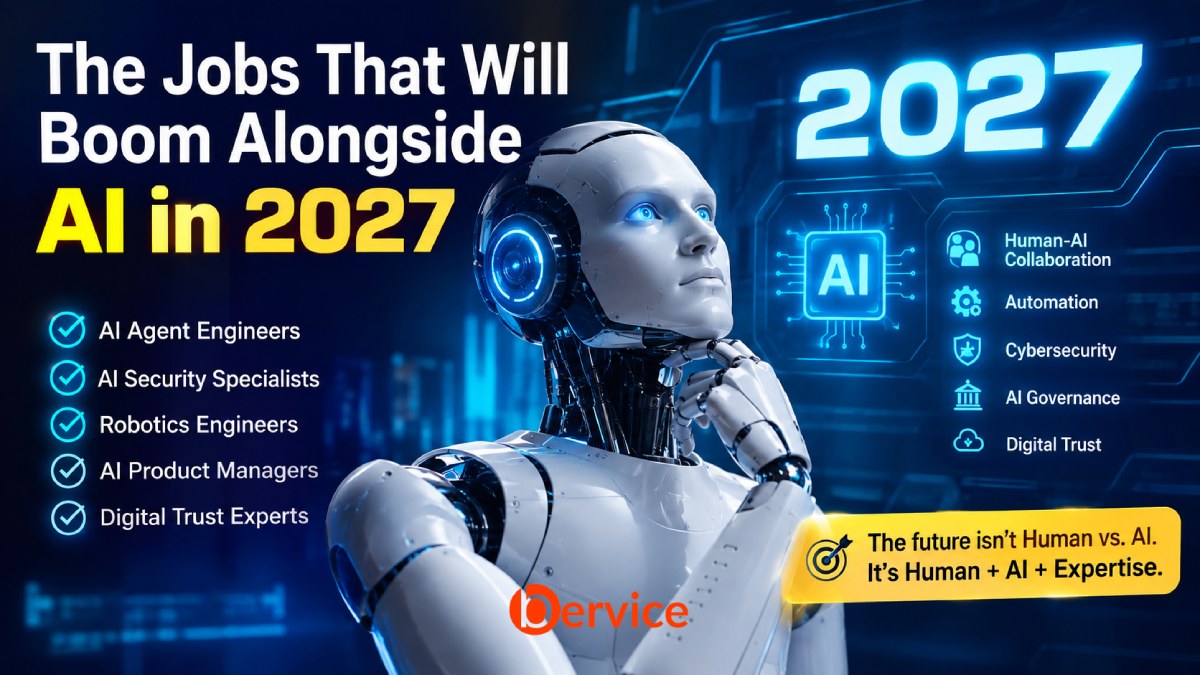
The Jobs That Will Boom Alongside AI in 2027
The Future of Work Is Not Human vs. AI. It Is Human + AI. For years, the conversation around artificial intelligence has been dominated by one question: Which jobs will AI replace? But as we move toward 2027, a more useful question is emerging: Which jobs will become more valuable because AI exists? Artificial…
-
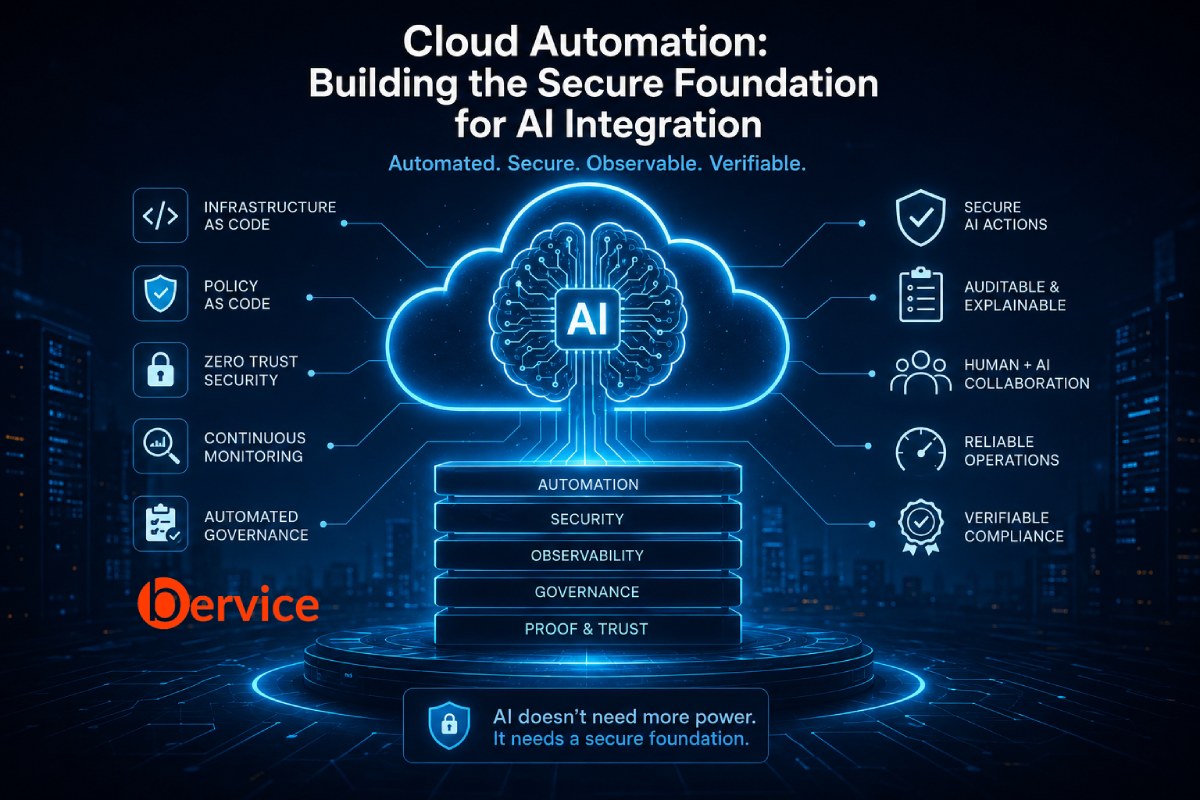
Cloud Automation: Building the Secure Foundation for AI Integration
Artificial Intelligence Doesn’t Fail Because of Intelligence. It Fails Because of Infrastructure. Artificial Intelligence is entering every layer of modern business. Organizations are embedding AI into customer support, software development, cybersecurity, finance, healthcare, manufacturing, and cloud operations. Yet despite massive investments, many AI initiatives never reach production or fail to deliver long term value.…
-

Beyond HTTPS: The World’s Most Secure Data Transfer Protocols in the Age of Cyber Warfare
Why Secure Communication Has Become a Strategic Necessity Every second, trillions of bytes of data travel across the Internet. Financial transactions, healthcare records, military communications, AI model interactions, cloud infrastructure, industrial control systems, and personal conversations all rely on digital networks. Yet many people mistakenly assume that “using HTTPS” means their information is completely…
-

The Most Common Mistakes That Lead to Confidential Data Leaks in ChatGPT, Claude, and Gemini
Enterprise Security Policies and Organizational Best Practices for Safe AI Adoption Artificial intelligence has become a standard part of modern workplaces. Employees use ChatGPT to draft reports, Claude to analyze long documents, and Gemini to summarize emails, create presentations, or assist with software development. These tools can dramatically improve productivity, but they also introduce…
-

AI Safety in 2026: Mechanisms Designed to Prevent Harmful Errors to Systems and Humans
Introduction: Why AI Safety Became a Core Engineering Problem By 2026, artificial intelligence is no longer only a research topic or a productivity tool. AI systems are now used in healthcare, finance, cybersecurity, education, software development, recruitment, customer support, government services, and industrial operations. This wider adoption has created a serious question: how can…