-
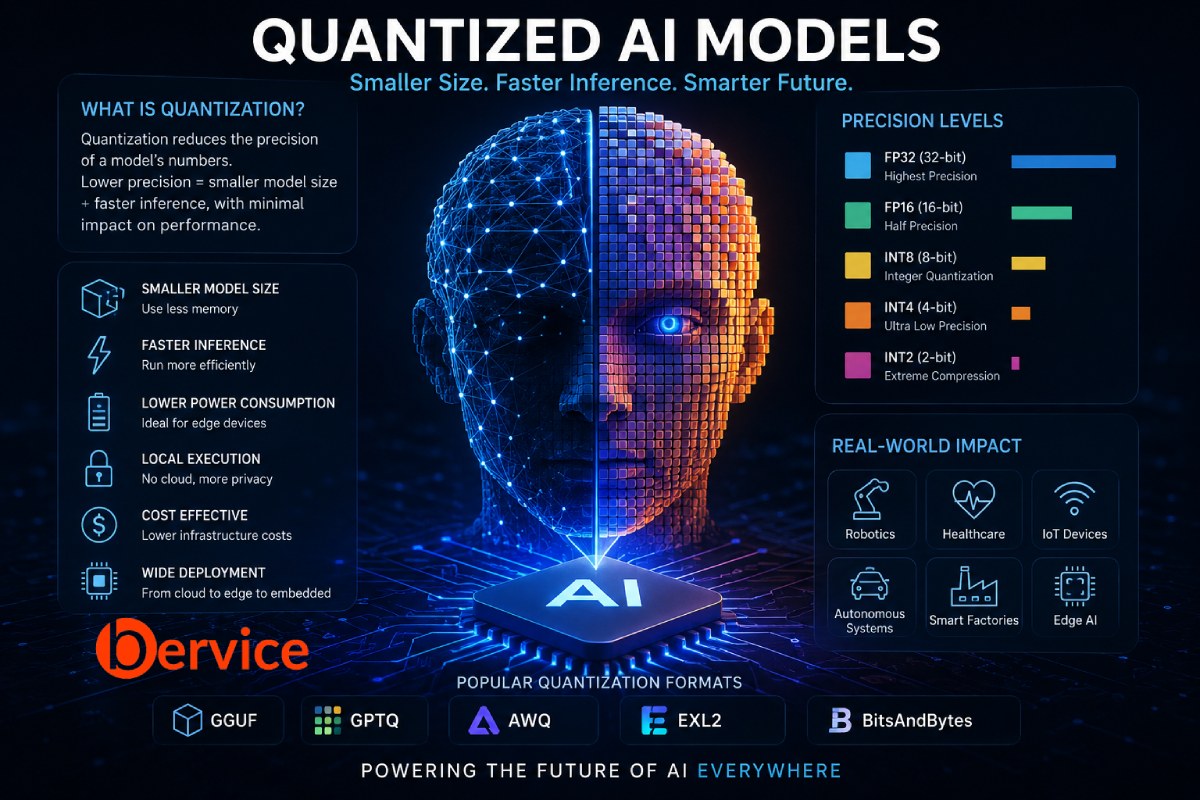
Quantized AI Models: How They Work, How They Are Built, and Why They Matter
Introduction Artificial Intelligence models have grown at an extraordinary pace. Modern Large Language Models (LLMs) often contain billions or even trillions of parameters, enabling remarkable reasoning, language understanding, programming, image generation, and scientific assistance. However, these capabilities come at a significant computational cost. Running a large AI model traditionally requires enormous amounts of GPU…
-
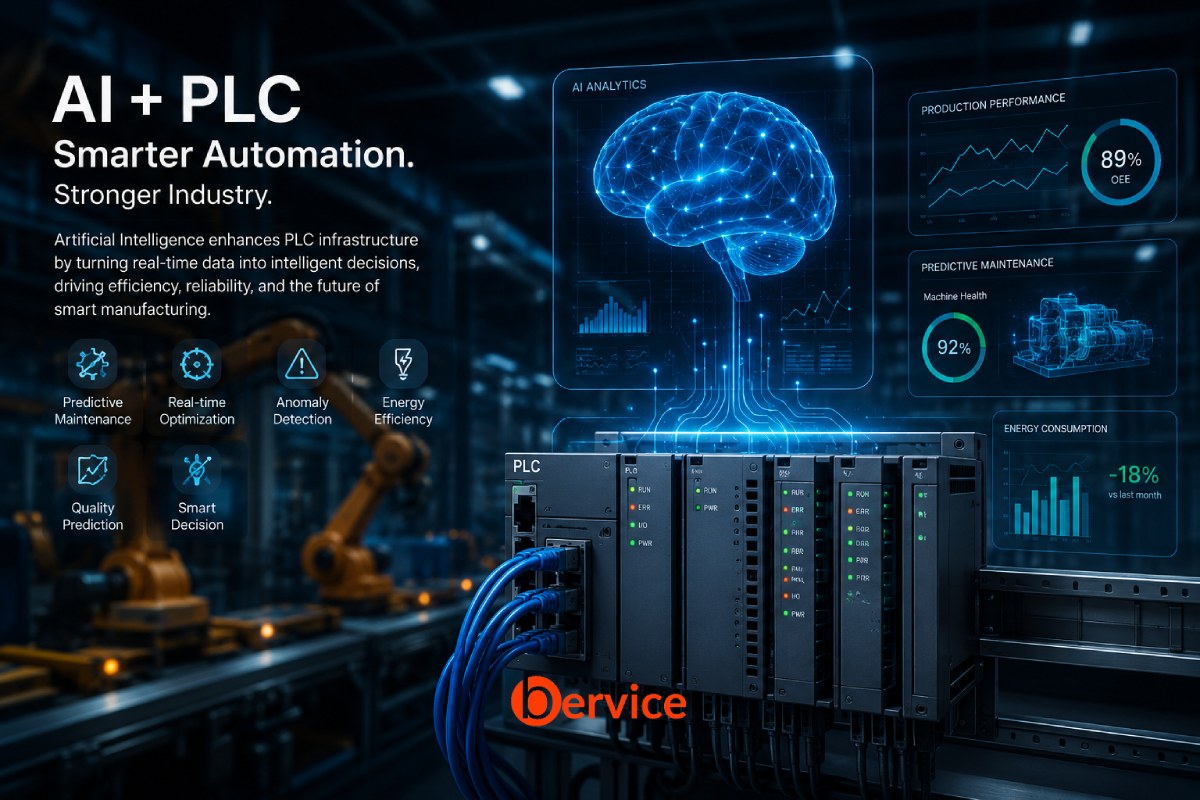
Artificial Intelligence in PLC Infrastructure: Transforming Industrial Automation for the Next Generation
Introduction For decades, Programmable Logic Controllers (PLCs) have been the backbone of industrial automation. They control production lines, manufacturing equipment, water treatment facilities, energy systems, logistics centers, and countless other critical infrastructures. PLCs are known for one defining characteristic: reliability. They execute deterministic logic with exceptional stability, making them indispensable wherever industrial processes require…
-

The Next Generation of AI Agents: Building a Future Where Privacy Comes First
Introduction Artificial Intelligence agents are rapidly evolving from simple assistants into autonomous digital entities capable of performing complex tasks on behalf of users. Today’s agents can schedule meetings, manage emails, conduct research, analyze data, and interact with various online services. However, as their capabilities grow, so do concerns about privacy, surveillance, data ownership, and…
-

The Shift from Centralized AI to Personal AI: Why the Landscape Is Changing
Introduction: A Structural Transition, Not a Trend Artificial intelligence is not disappearing from the cloud, but its center of gravity is shifting. What we are observing is not the decline of online AI systems, but a redistribution of where intelligence lives and how it is accessed. Increasingly, AI is moving from centralized, company-controlled infrastructure…
-

The Rise of Local AI Processing and the Security Limits of Cloud Intelligence
Introduction: A Structural Shift in AI Infrastructure Artificial intelligence has rapidly evolved from a research domain into a foundational layer of modern digital systems. Much of this growth has been enabled by cloud computing, where centralized infrastructures provide scalable processing power. However, a structural shift is emerging. Local AI processing where computation happens directly…