-
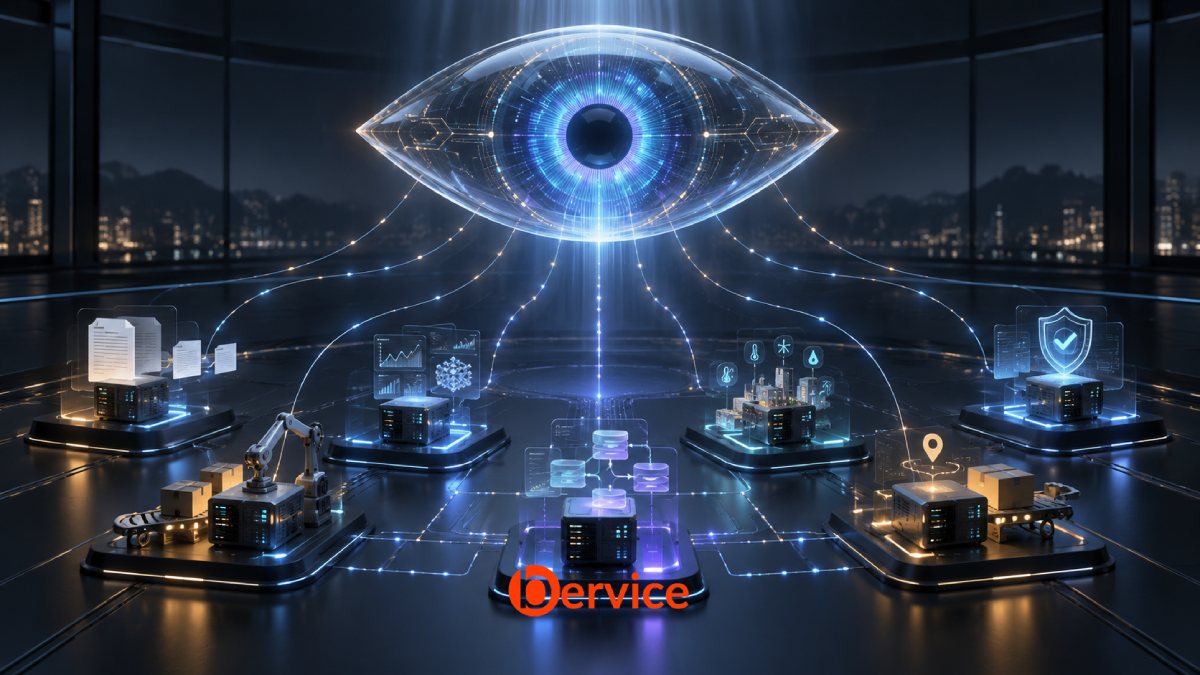
Local AI Automation and the Supervisory Eye: A New Architecture for Controlled Autonomy
Artificial intelligence is rapidly moving beyond chat interfaces. It is beginning to operate software, monitor equipment, process documents, manage workflows, and make thousands of small decisions across organizations. But as AI becomes more operational, a difficult question appears: how can a business automate more without losing visibility and control? One promising answer is a…
-
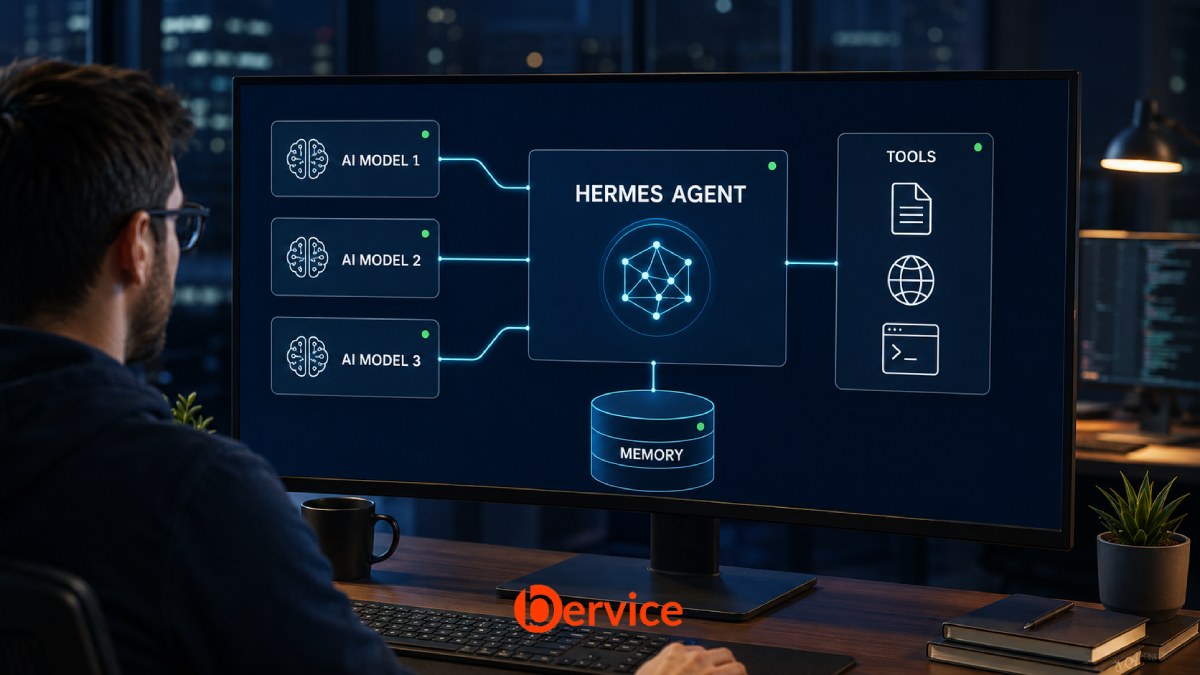
How Hermes Agent Connects to AI Models and Builds Memory
The central idea .Hermes is not the intelligence itself. It is the operating layer around an AI model: it assembles instructions and context, sends requests to a selected model provider, executes approved tools, observes the results, and stores selected knowledge so later sessions can begin with useful continuity. A language model can produce a…
-
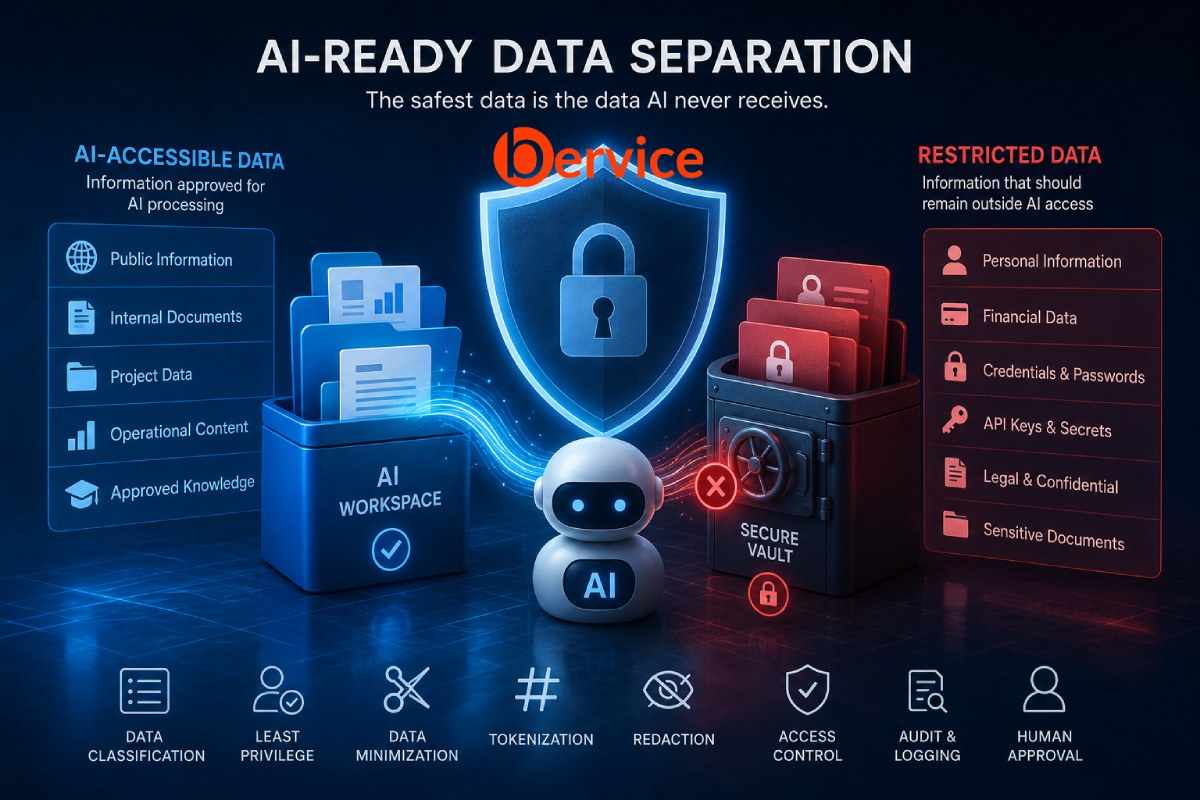
Separating Everyday Data from Sensitive Information in the Age of AI
Introduction Artificial intelligence is rapidly becoming part of everyday digital life. AI systems can now help us write emails, analyze documents, summarize meetings, search company knowledge, generate software, manage projects, analyze financial information, and automate repetitive work. The productivity benefits are enormous. But the expansion of AI into our daily workflows introduces a fundamental…
-
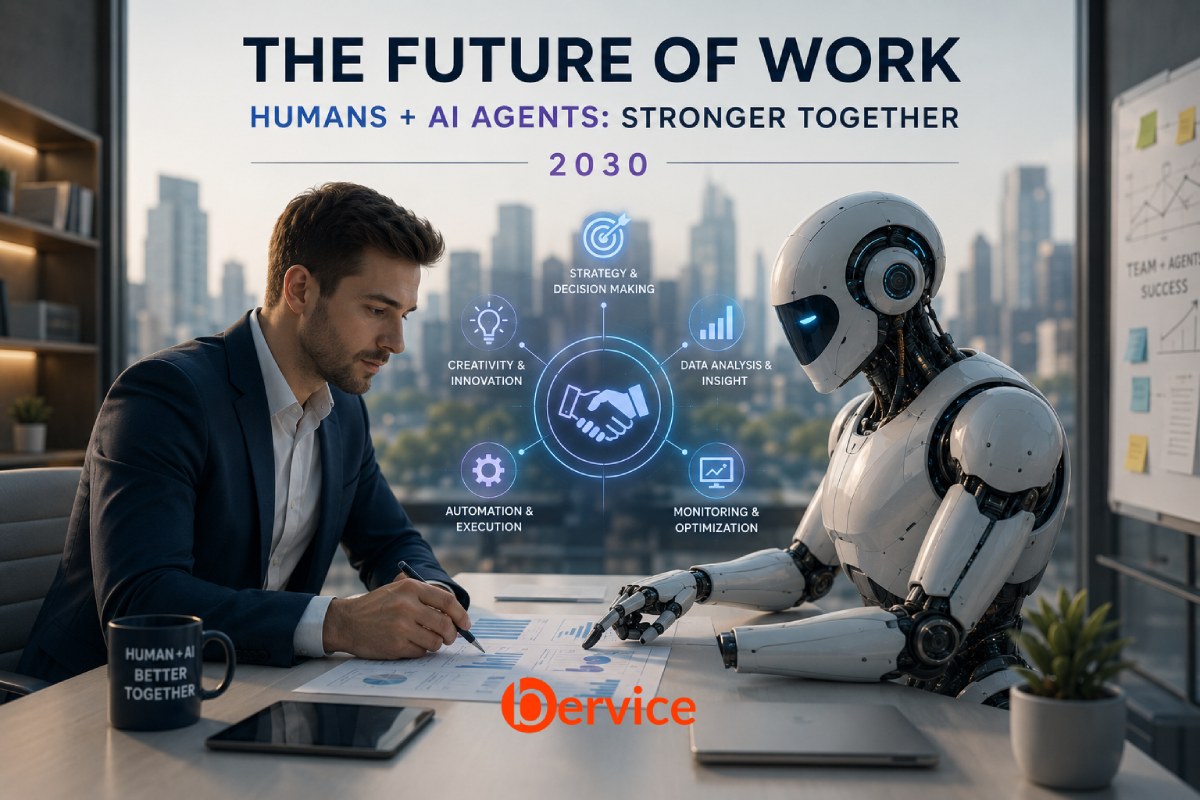
The Future Isn’t Companies Without Employees. It’s Companies Where Humans and AI Agents Work Together
Rethinking the Organization of 2030 For years, headlines have predicted the same future: ” AI will replace workers.” “Companies won’t need employees anymore.” “One founder will build a billion-dollar company with AI.” These predictions generate attention, but they oversimplify what is actually happening. The companies that will dominate the next decade are unlikely to…
-
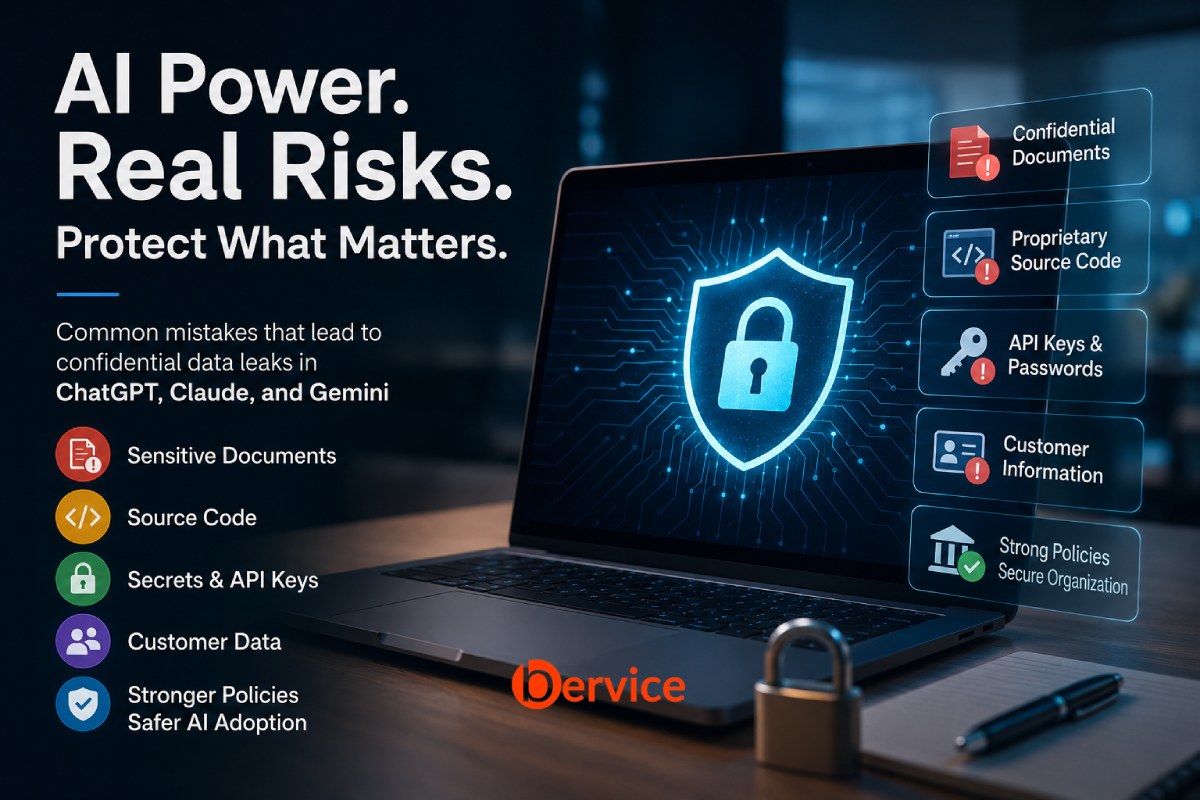
The Most Common Mistakes That Lead to Confidential Data Leaks in ChatGPT, Claude, and Gemini
Enterprise Security Policies and Organizational Best Practices for Safe AI Adoption Artificial intelligence has become a standard part of modern workplaces. Employees use ChatGPT to draft reports, Claude to analyze long documents, and Gemini to summarize emails, create presentations, or assist with software development. These tools can dramatically improve productivity, but they also introduce…