-

Data Security When Sending Information to LLMs and Cloud AI Systems
Introduction: The New Data Security Challenge Large Language Models and cloud-based AI systems are becoming part of daily business operations. Companies now use AI to summarize documents, write emails, analyze code, process customer messages, generate reports, search internal knowledge, and support decision-making. This creates a powerful productivity advantage, but it also introduces a serious…
-
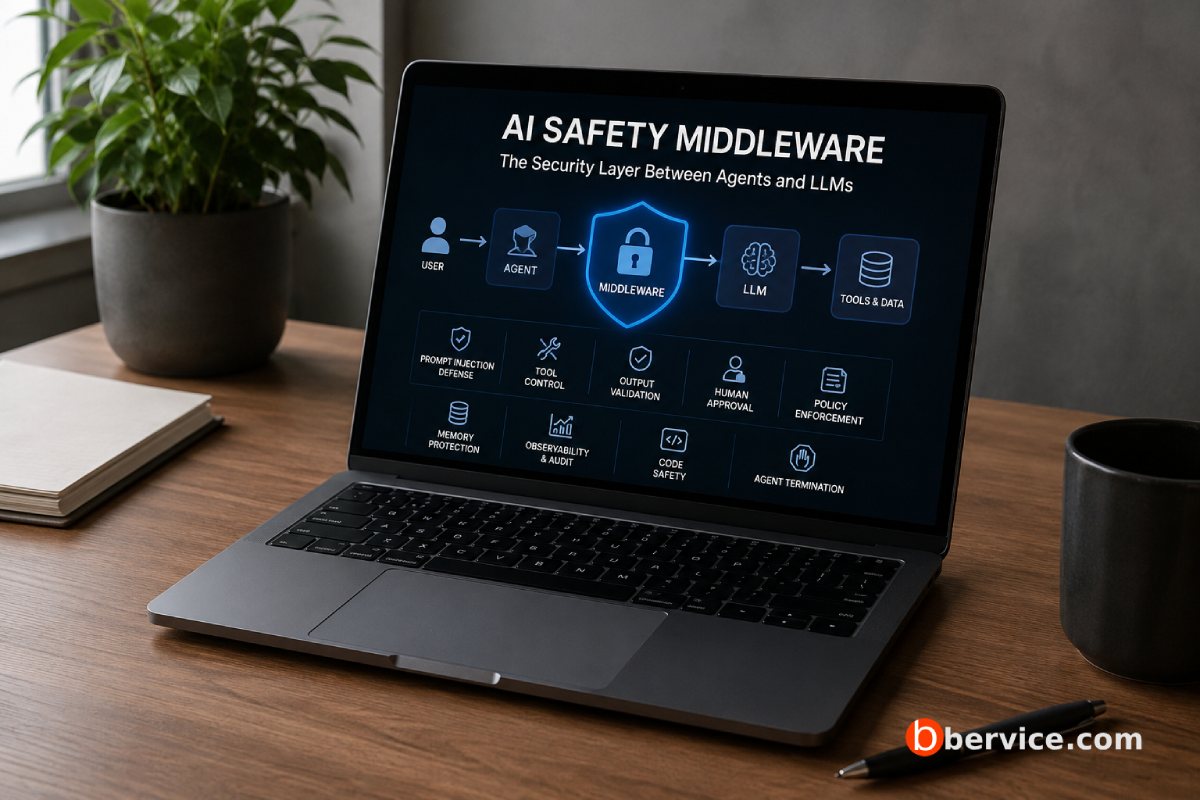
The Rise of AI Safety Middleware: The Security Layer Between Agents and LLMs
Introduction: Why AI Needs a Middle Layer Artificial intelligence is moving from simple chatbots to autonomous agents. A chatbot mostly responds to questions. An AI agent can read files, call APIs, send emails, update databases, write code, browse tools, trigger workflows, and make decisions across multiple systems. This shift creates a new security problem.…
-

How to Design an Organization So Employees Do Not Accidentally or Intentionally Leak Sensitive Data and Intellectual Property to AI
Introduction: AI Is Now a Data Governance Challenge Artificial intelligence is no longer only a productivity tool. It has become part of daily work across software development, marketing, sales, legal, research, customer support, product design, and operations. Employees use AI to summarize documents, write code, analyze data, prepare emails, generate strategies, debug systems, and…
-

The Role of Enterprise Workstations in Building AI Infrastructure
How AI Model Developers Manage Software Complexity 1. Introduction: AI Infrastructure Is No Longer Only About the Cloud Artificial intelligence infrastructure is often discussed in terms of cloud GPUs, massive data centers, and large-scale clusters. However, enterprise workstations still play a critical role in the practical development of AI systems. For many teams, the…
-
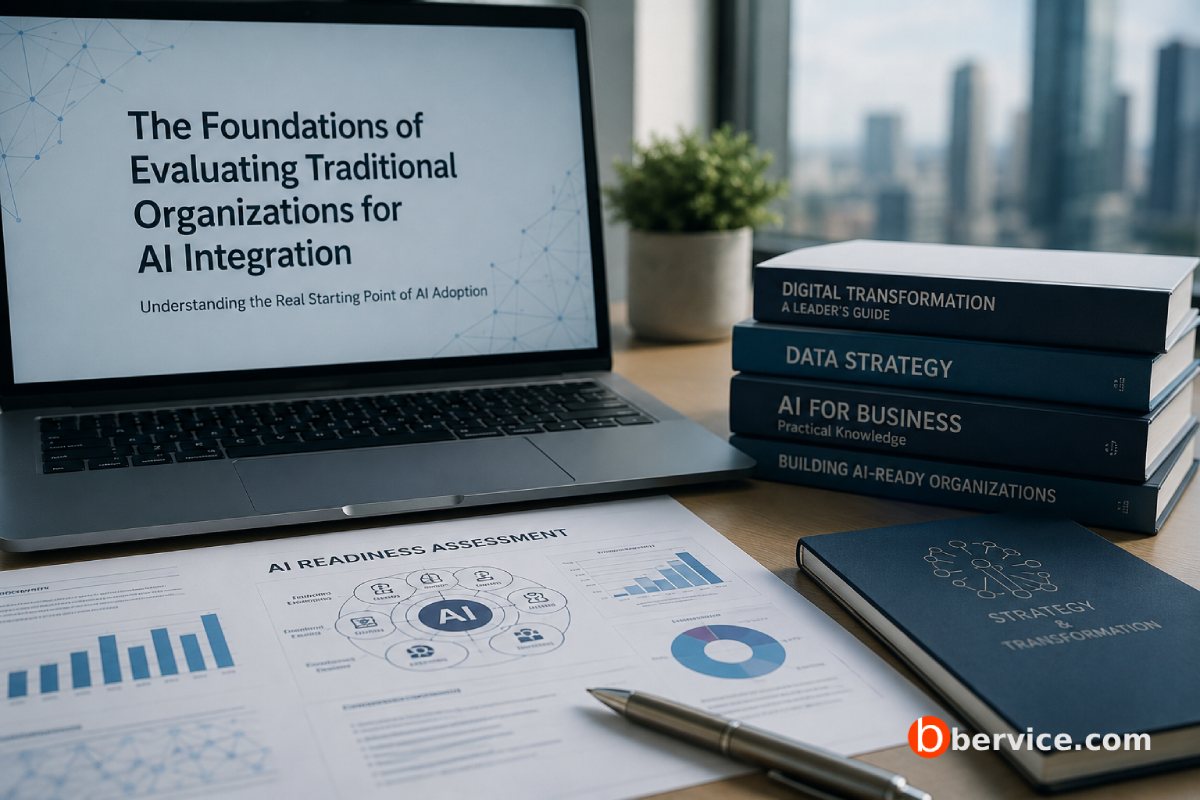
The Foundations of Evaluating Traditional Organizations for AI Integration
Understanding the Real Starting Point of AI Adoption Artificial Intelligence is no longer limited to technology companies or digital startups. Traditional organizations across manufacturing, logistics, retail, healthcare, education, agriculture, banking, construction, and government sectors are increasingly exploring how AI can improve efficiency, reduce operational costs, enhance decision making, and create new business opportunities. However,…