-
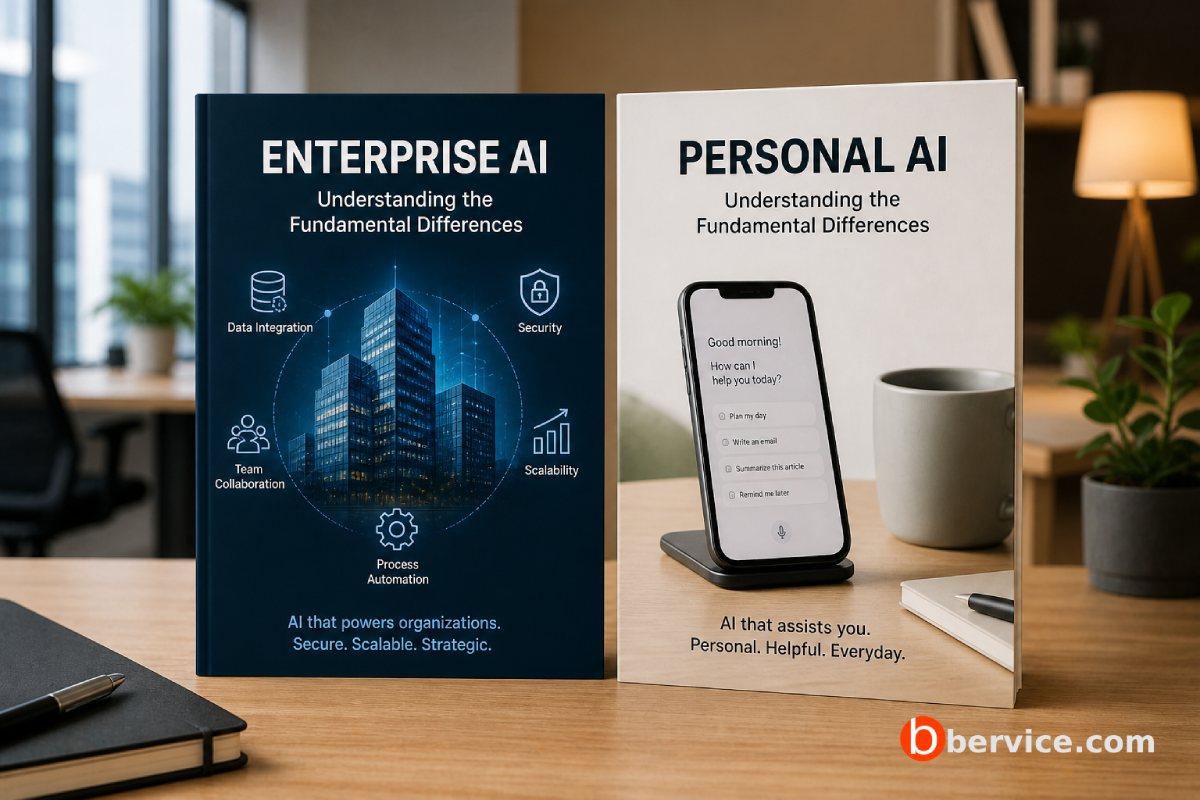
Enterprise AI vs Personal AI
Understanding the Fundamental Differences Introduction Artificial Intelligence is no longer a single category of technology. It has evolved into two distinct paradigms: Enterprise AI and Personal AI. While both rely on similar underlying advances in machine learning and large language models, their purpose, architecture, and impact differ significantly. Understanding this distinction is essential for…
-
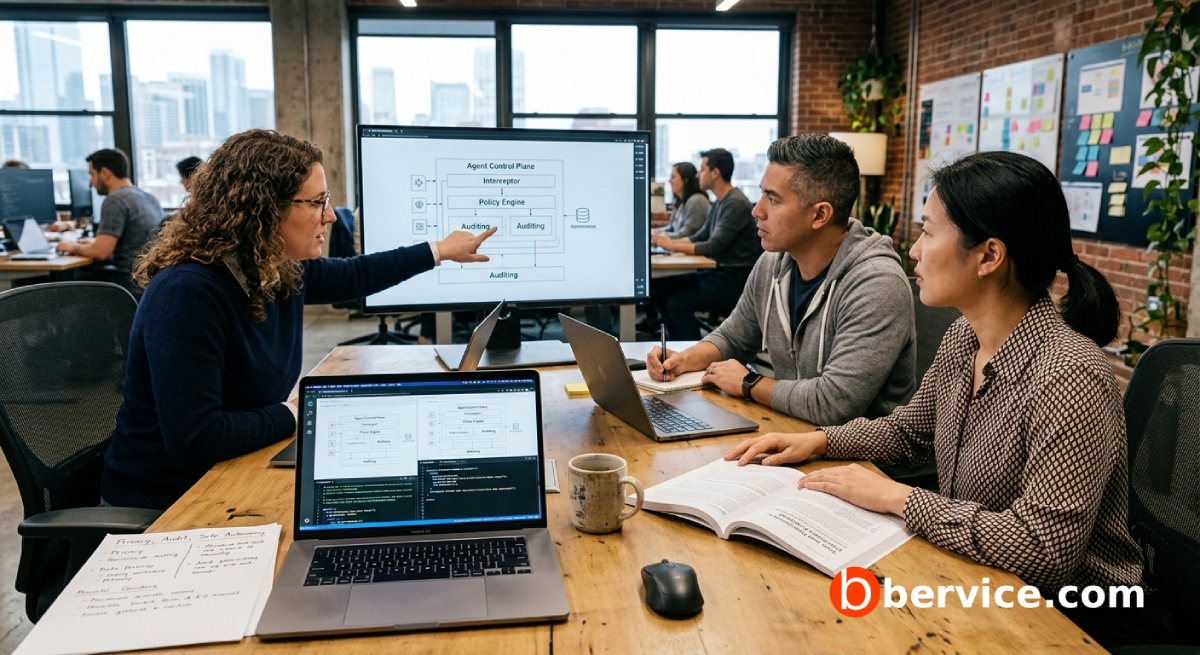
Tools and Architectures for Controlling AI Agents
A Practical Guide to Privacy, Governance, and Safe Autonomy 1. Introduction As AI agents evolve from simple assistants into autonomous decision-makers, the challenge is no longer just capability, but control. Organizations need to ensure that agents act within defined boundaries, respect privacy, and remain auditable. This is especially critical in systems like decentralized platforms,…
-
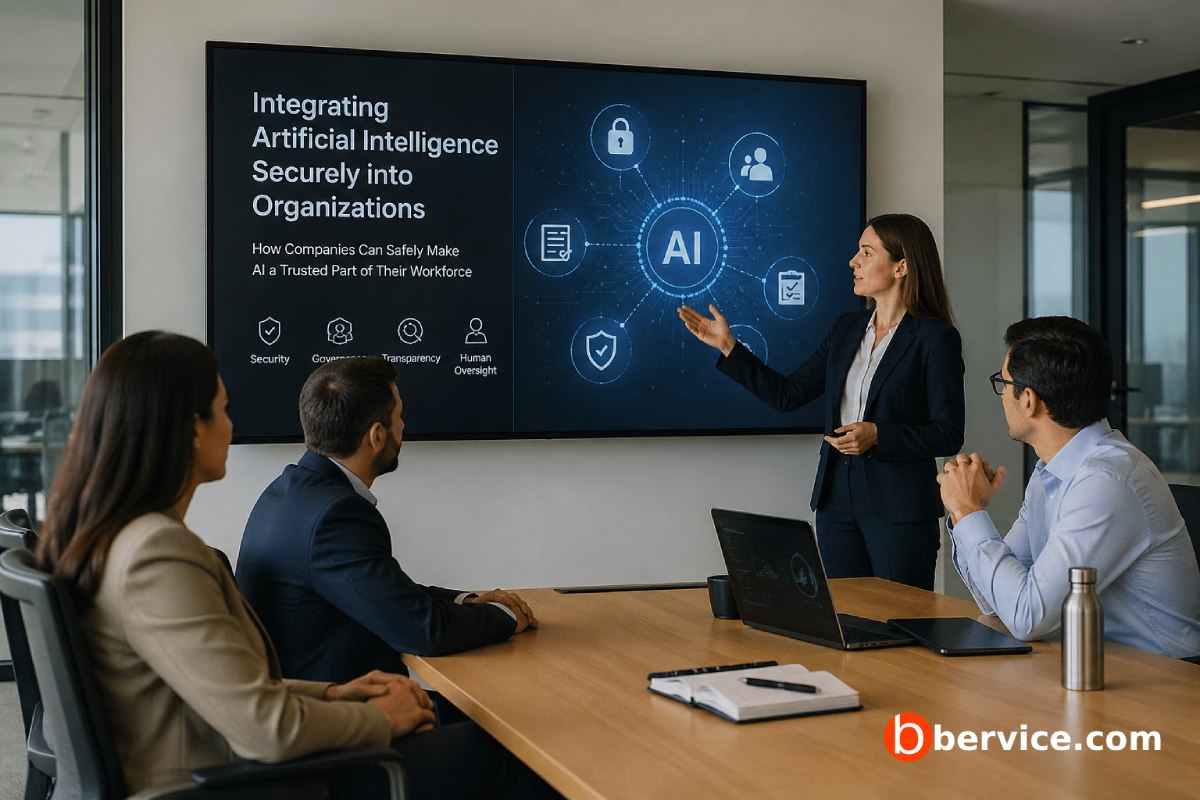
Integrating Artificial Intelligence Securely into Organizations
How Companies Can Safely Make AI a Trusted Part of Their Workforce 1. Introduction: AI as a Corporate Citizen Artificial Intelligence is no longer just a tool, it is becoming an operational layer inside modern organizations. From automating workflows to supporting executive decision-making, AI is increasingly embedded in daily business processes. However, integrating AI…
-
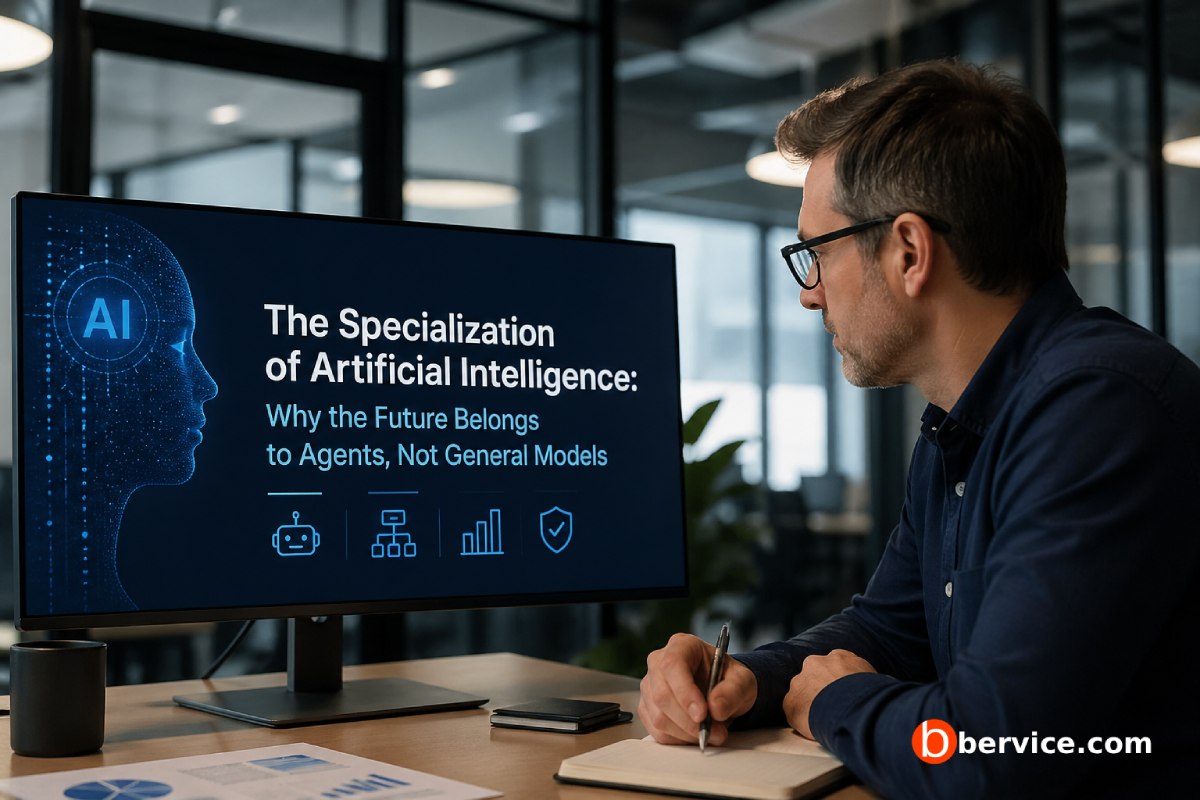
The Specialization of Artificial Intelligence: Why the Future Belongs to Agents, Not General Models
From General Intelligence to Specialized Capability For years, the dominant vision of artificial intelligence has been centered around the idea of a single, powerful model capable of doing everything. From writing code to analyzing data, answering questions, and even making decisions, general-purpose AI models have been positioned as universal tools. However, in real-world business…
-
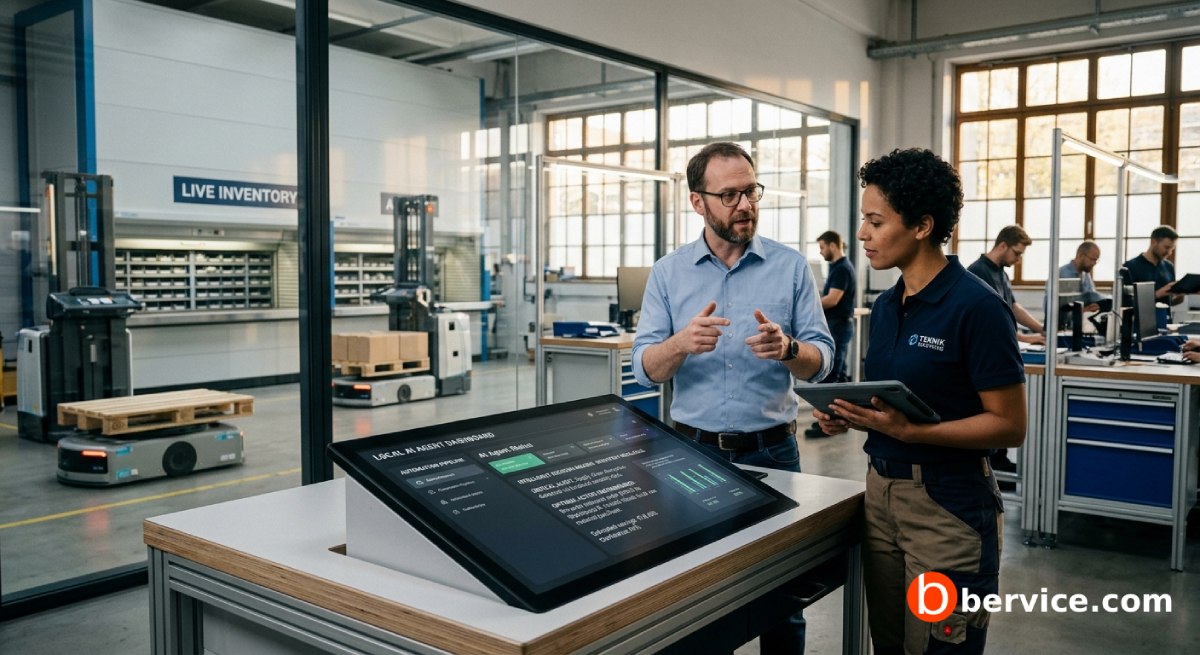
How Local AI Agents Can Transform Businesses
From Automation to Intelligent Decision-Making Introduction In recent years, artificial intelligence has rapidly evolved from a cloud-dependent capability into something far more accessible and powerful: local AI agents. These are AI systems that run directly on a company’s own infrastructure, whether on-premise servers, edge devices, or even high-performance personal computers. Unlike traditional SaaS AI…