-
Beyond Cloud: Decentralized Storage for a Trustless Digital World
Introduction: The End of Centralized Dependence For more than two decades, cloud computing has dominated how individuals and businesses store data. From Google Drive to Amazon S3, centralized providers have offered convenience, scalability, and cost-efficiency. Yet, this reliance on a handful of corporate entities introduces risks—single points of failure, censorship, data exploitation, and vulnerability…
-
Quantum-Ready Security: Why Your Passwords Need Post-Quantum Protection Today
Introduction: The Coming Quantum Threat For decades, the security of our digital lives has relied on classical cryptography mathematical systems designed to be practically impossible for traditional computers to break. From banking apps to email logins, your passwords are encrypted using algorithms like RSA, ECC, or AES. But a revolution in computing is on…
-
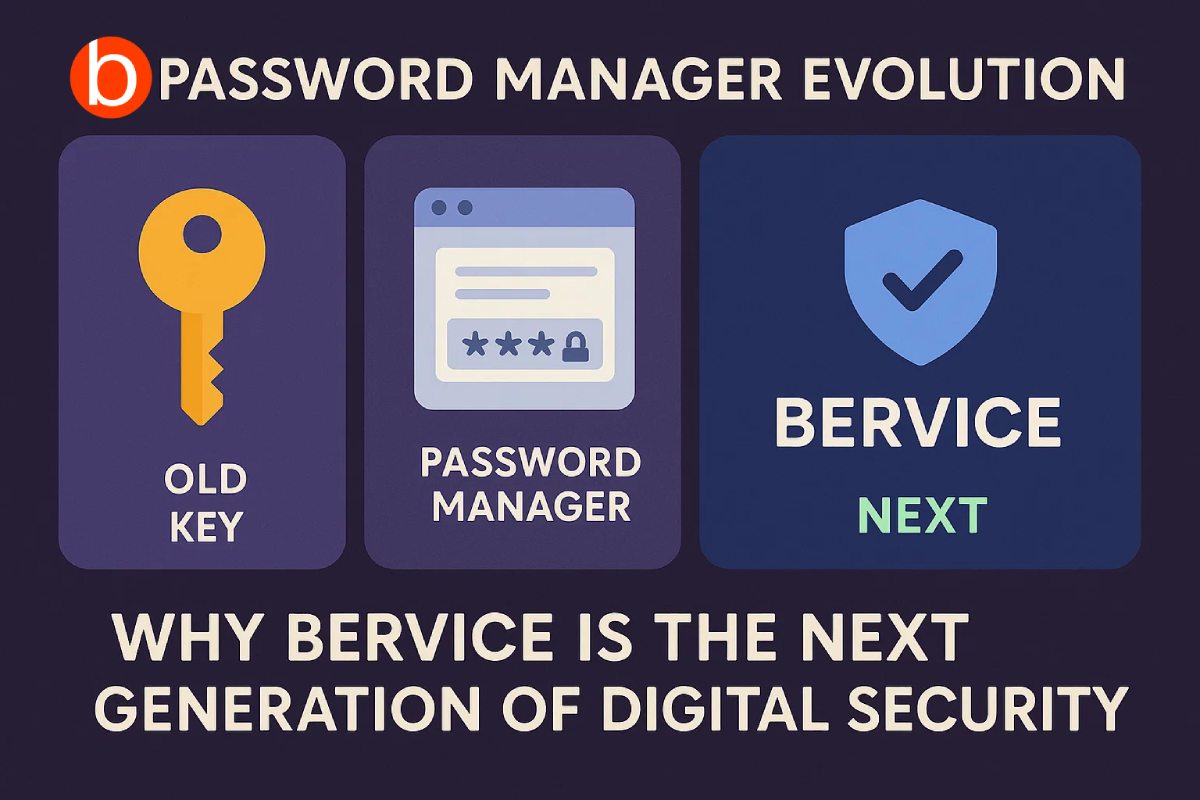
Password Manager Evolution: Why Bervice Is the Next Generation of Digital Security
Rethinking Password Management in a Decentralized World Traditional password managers have long focused on storing credentials in encrypted vaults, often synced through centralized servers. While useful, this model comes with inherent risks: single points of failure, exposure to large-scale breaches, and dependence on external companies. Bervice introduces a paradigm shift by moving beyond the…
-
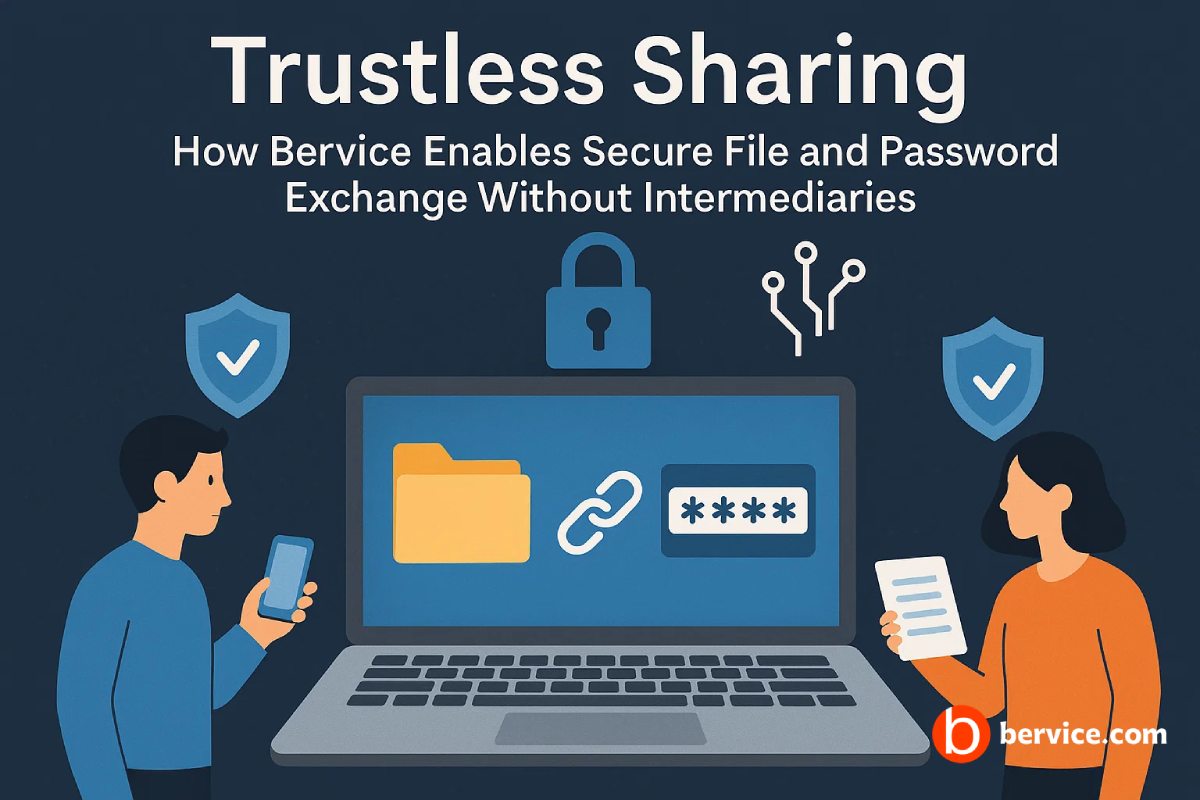
Trustless Sharing: How Bervice Enables Secure File and Password Exchange Without Intermediaries
The Problem with Traditional File Sharing In the conventional digital landscape, sharing files or sensitive information often relies on centralized servers, third-party platforms, or trusted intermediaries. Whether it’s cloud storage providers, messaging applications, or enterprise collaboration tools, the user must extend a level of trust—trust that data won’t be intercepted, altered, or leaked. Unfortunately,…
-
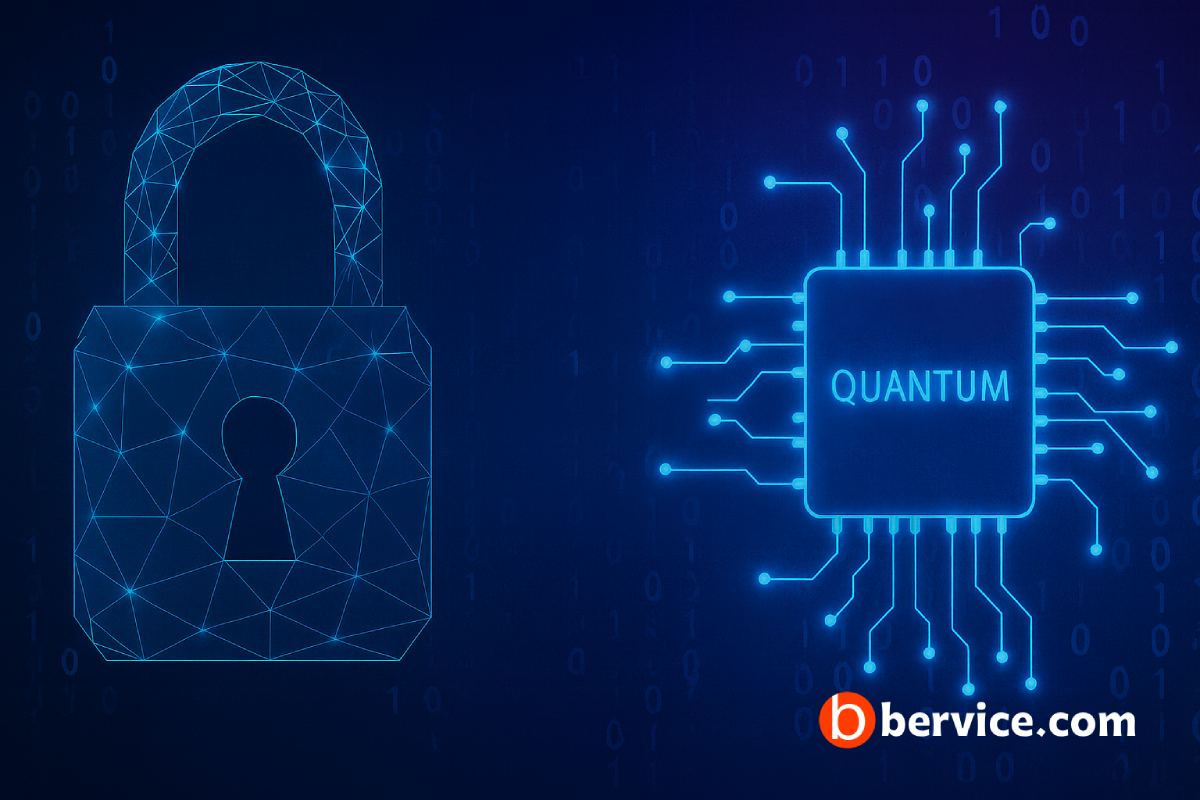
Quantum-Ready Security: The Future Bervice Has Already Prepared For
The Rising Threat of Quantum Computing For decades, digital security has relied on mathematical problems that are practically impossible for classical computers to solve—such as factoring large prime numbers or solving discrete logarithms. However, the rise of quantum computing threatens to upend this foundation. Algorithms like Shor’s algorithm can, in theory, break RSA, ECC,…