-
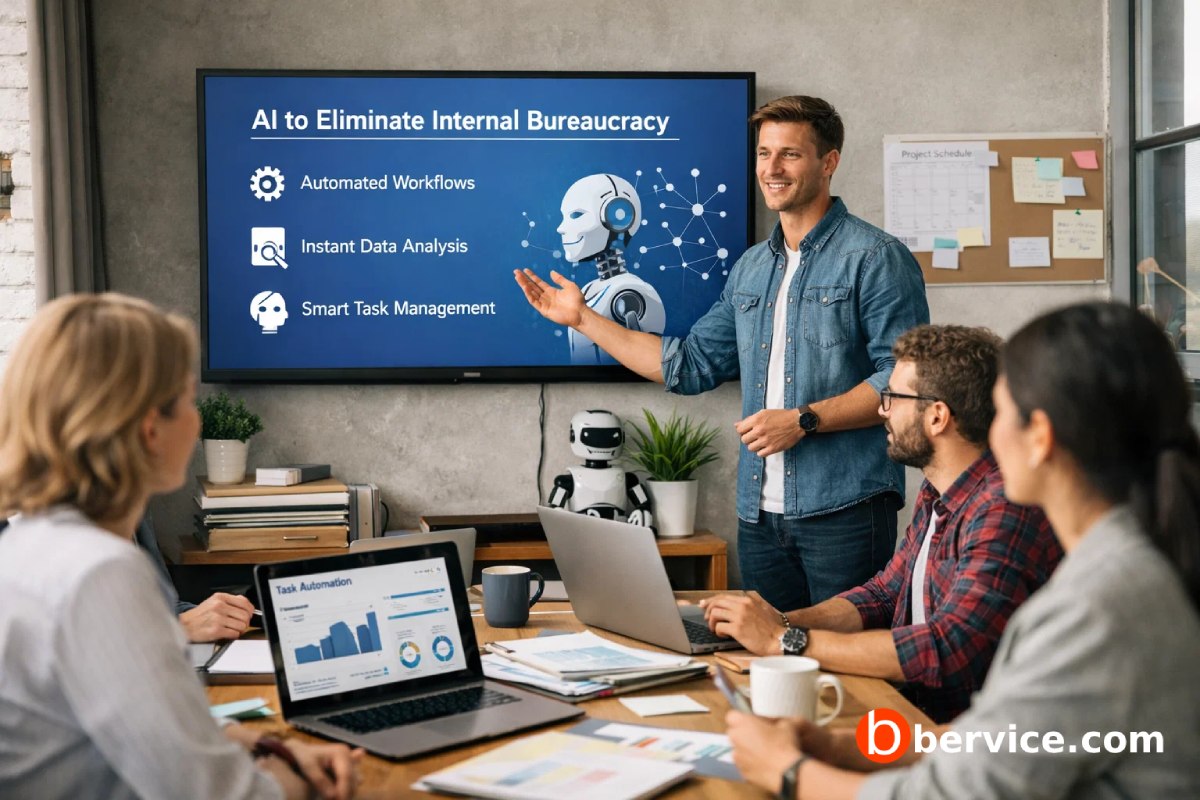
How Artificial Intelligence Can Eliminate Internal Bureaucracy in Startups
Introduction: The Hidden Cost of Startup Bureaucracy Startups are often imagined as agile, innovative environments where decisions move quickly and teams operate with minimal friction. However, as startups grow, internal bureaucracy begins to emerge. Processes that once took minutes suddenly require multiple approvals, documents, spreadsheets, emails, and meetings. These internal administrative tasks gradually consume…
-
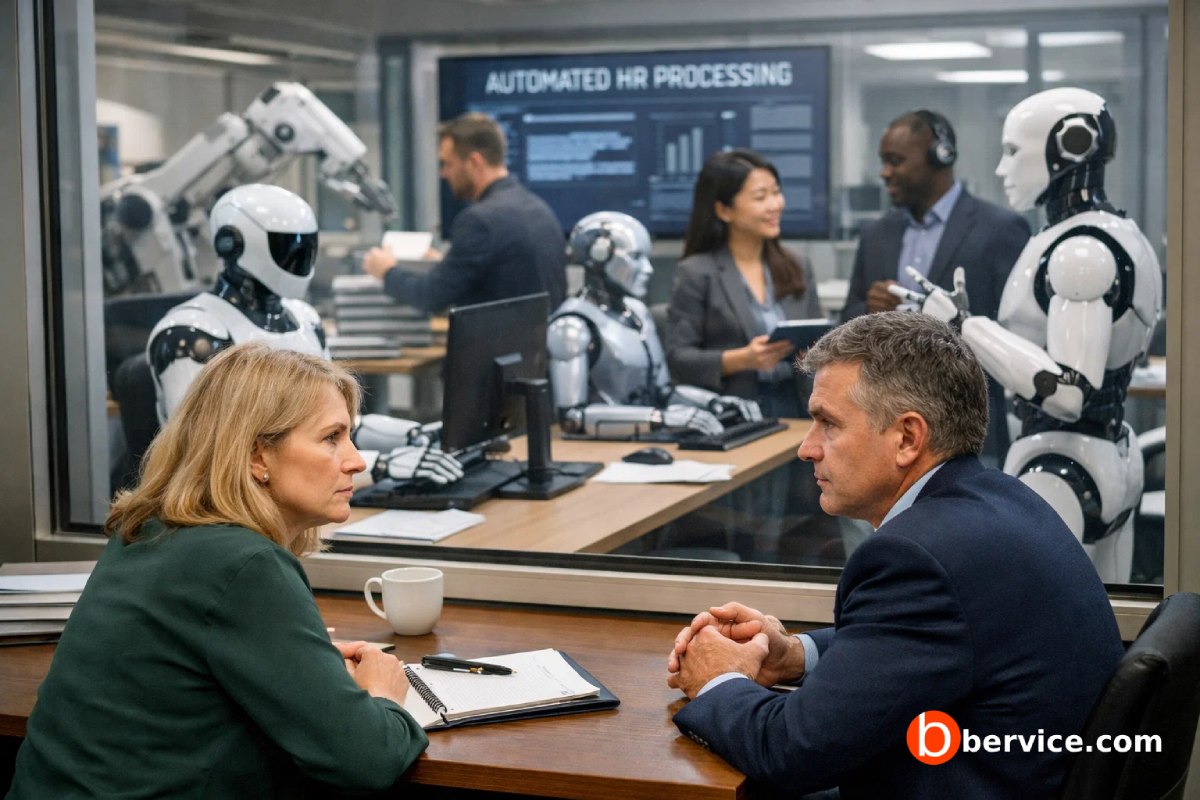
If HR Does Not Lead Automation, It Risks Becoming Irrelevant
1. The Strategic Crossroads for HR Artificial intelligence is no longer a peripheral innovation. It is becoming the structural backbone of modern organizations. From finance to operations, departments are redesigning their processes around automation and intelligent systems. In this context, Human Resources stands at a strategic crossroads. If HR does not take ownership of…
-
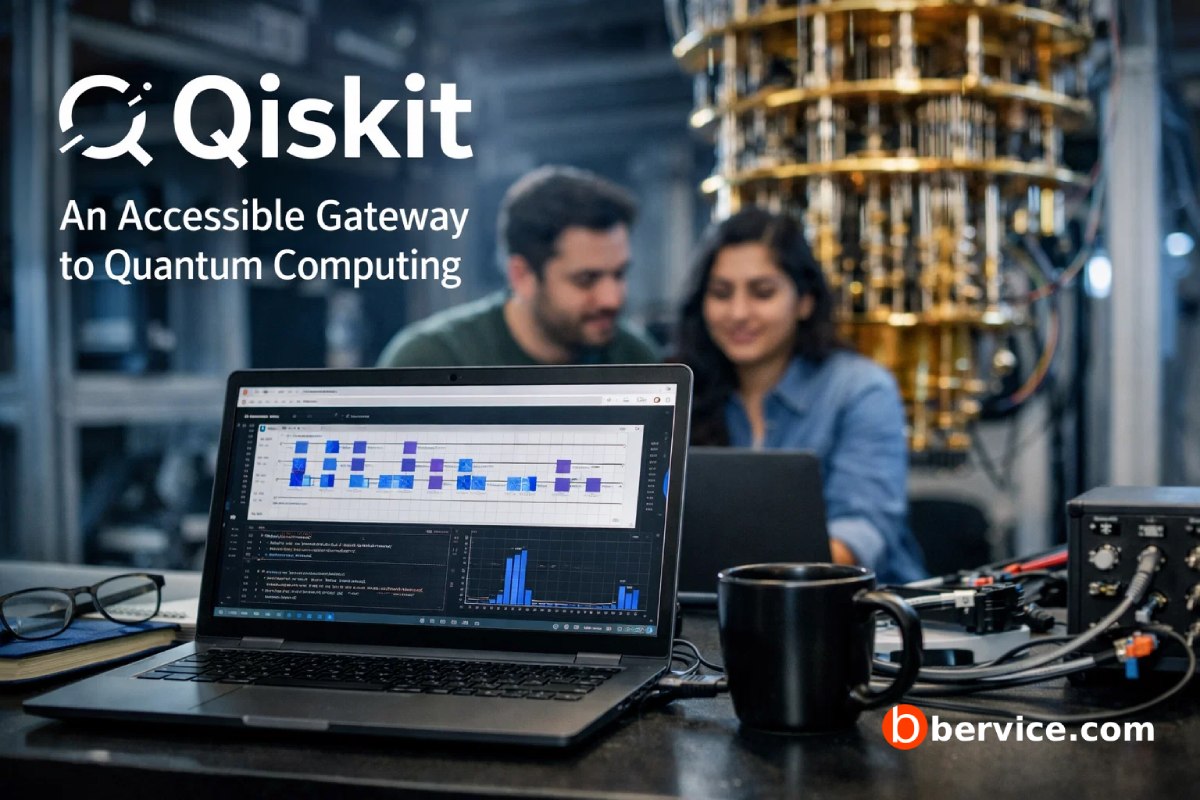
Qiskit An Accessible Gateway to Quantum Computing
Introduction to Qiskit in Simple Terms Quantum computing is often described as complex and difficult to understand. However, tools like Qiskit are designed to make this advanced technology more accessible to everyone. Qiskit is an open source software development kit that helps people learn, design, and run quantum programs in a practical way. It…
-
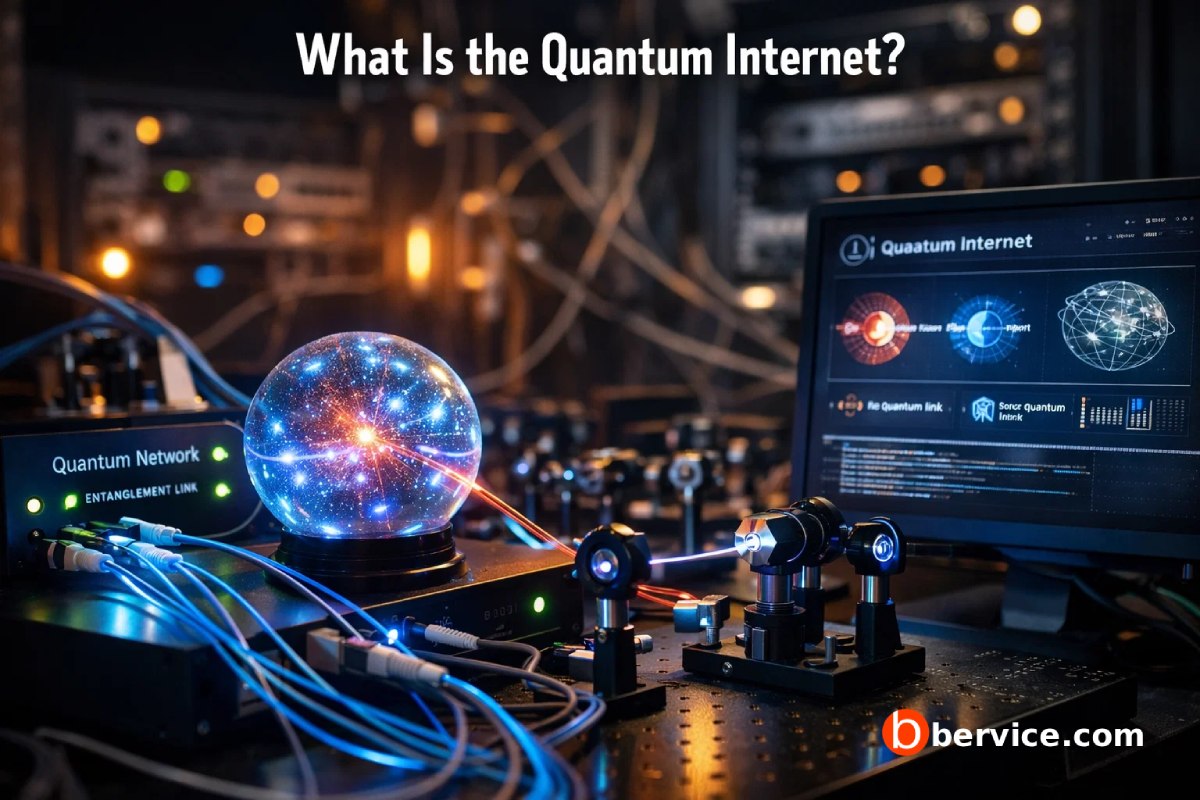
What Is the Quantum Internet?
The Quantum Internet is a next generation communication network that uses the laws of quantum physics to transmit information in fundamentally new ways. Unlike the classical internet, which sends bits as 0s and 1s, the quantum internet relies on quantum bits or qubits, which can exist in superposition and can be linked through quantum…
-
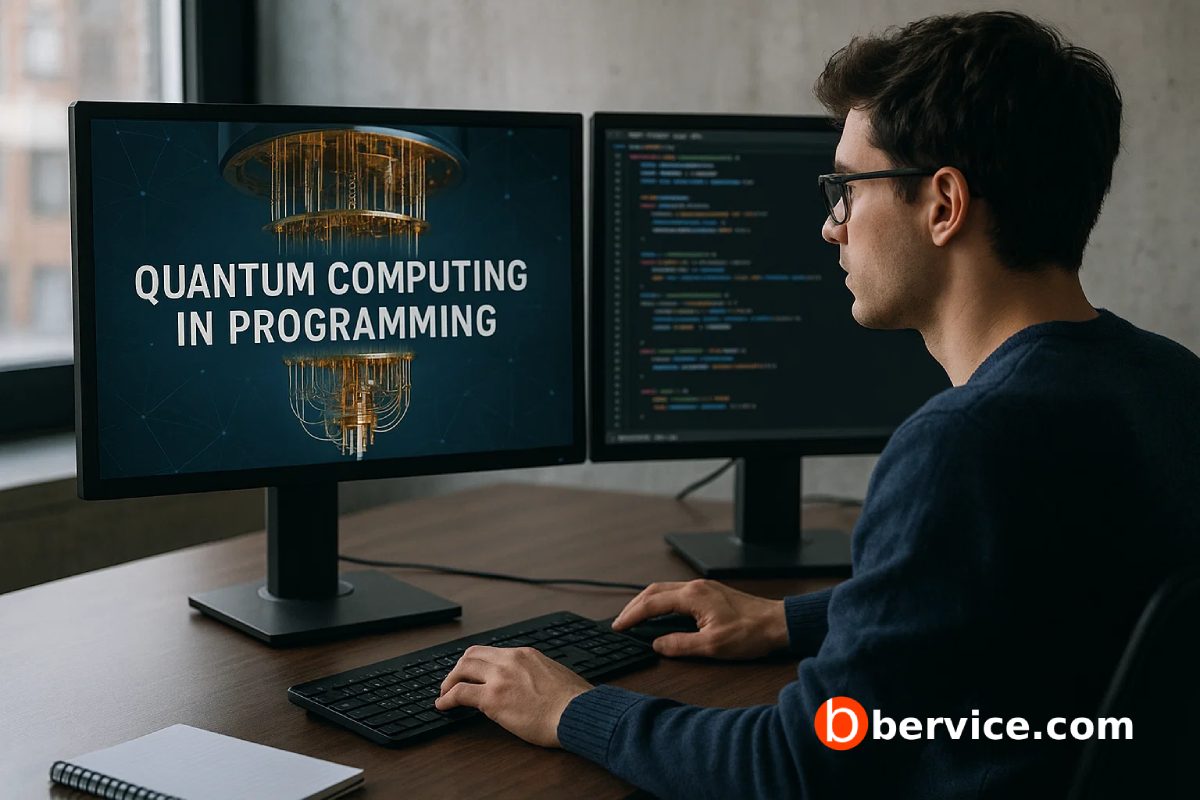
Quantum Computing in Programming: The Shift Toward a New Computational Paradigm
Quantum computing isn’t a “future trend” anymore; it’s a structural shift in how we will write software, design algorithms, and think about computation itself. As quantum hardware slowly crosses the boundary from lab prototypes to early commercial machines, programmers are being pushed toward a new mindset one where uncertainty, superposition, and probabilistic outcomes are…