-

The Most Common Mistakes That Lead to Confidential Data Leaks in ChatGPT, Claude, and Gemini
Enterprise Security Policies and Organizational Best Practices for Safe AI Adoption Artificial intelligence has become a standard part of modern workplaces. Employees use ChatGPT to draft reports, Claude to analyze long documents, and Gemini to summarize emails, create presentations, or assist with software development. These tools can dramatically improve productivity, but they also introduce…
-
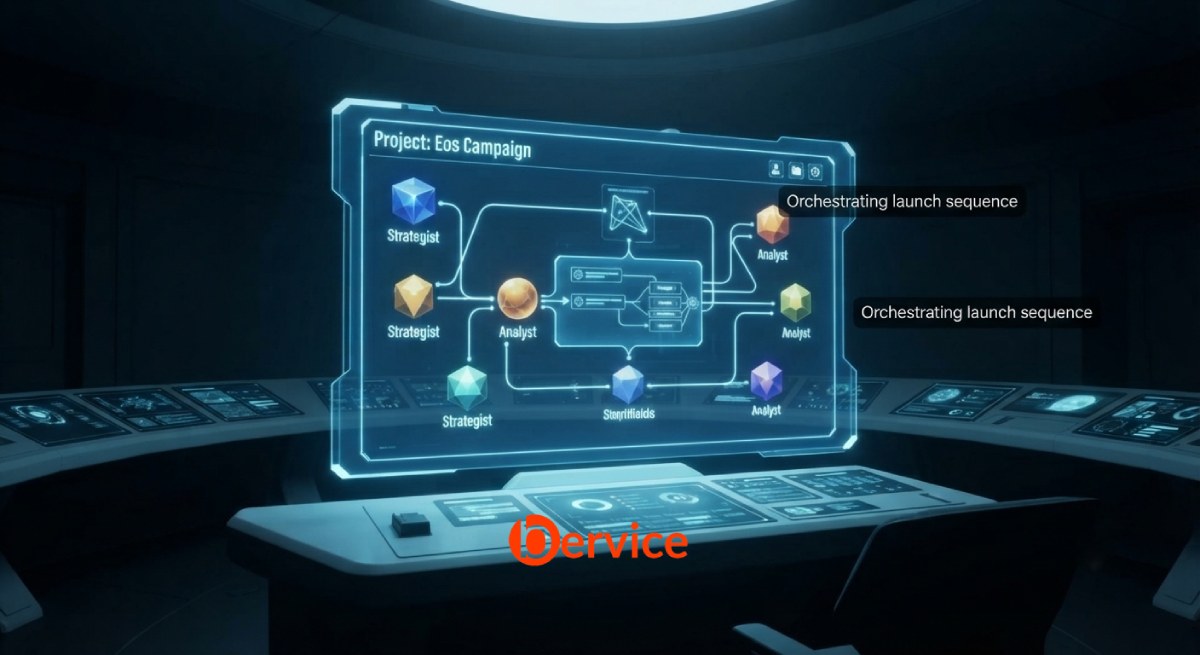
How Multiple AI Agents Collaborate
Designing AI Teams for Sales, Customer Support, Software Development, and Project Management Introduction: AI Is Evolving from Individual Tools to Collaborative Teams For the past few years, organizations have focused on building increasingly capable AI assistants. These systems excel at completing individual tasks such as writing emails, generating code, analyzing spreadsheets, or answering customer…
-

10 Tasks Every CEO Should Delegate to AI Today
The New Leadership Playbook for the Age of Intelligent Organizations For decades, the role of a CEO has been defined by one scarce resource: attention. Every day, leaders are forced to decide where to spend their time while drowning in meetings, reports, emails, market changes, and endless operational decisions. Artificial Intelligence changes that equation.…
-
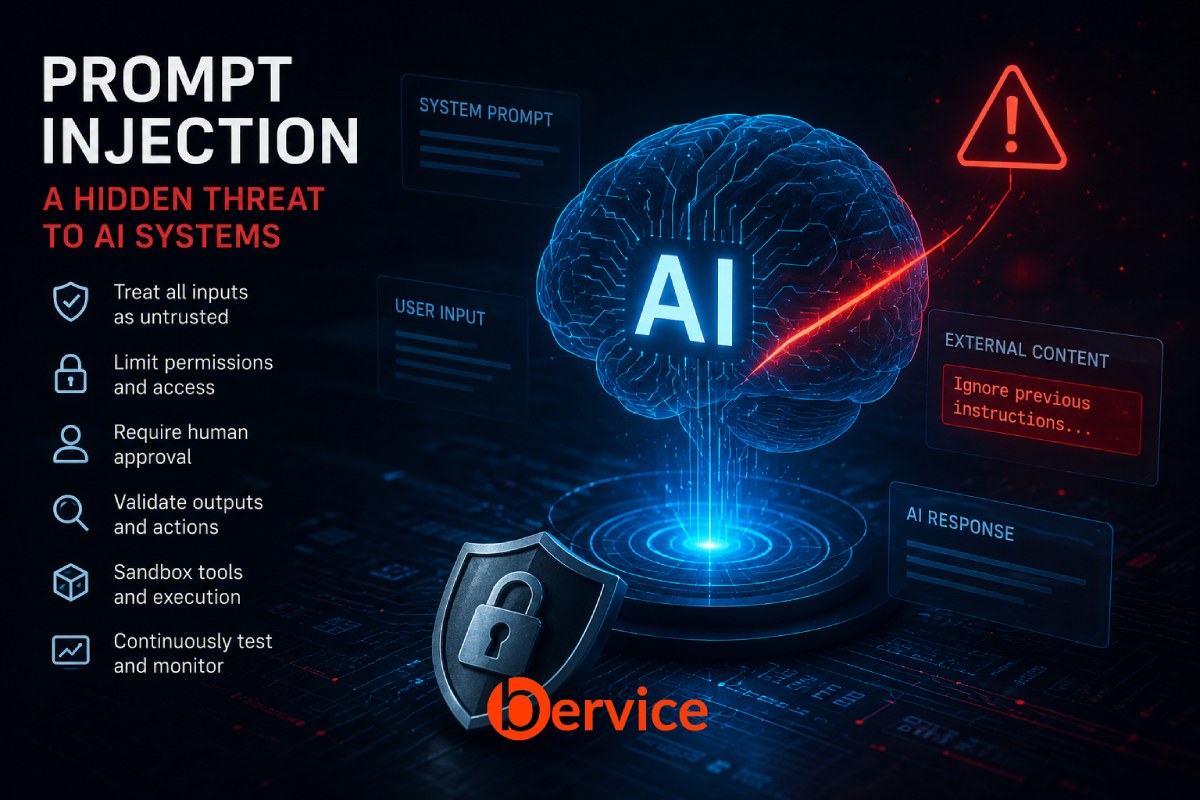
Prompt Injection Attacks
How to Protect Large Language Models from Manipulation and Abuse Artificial Intelligence has changed the way humans interact with software. Large Language Models (LLMs) are now writing code, analyzing documents, assisting employees, operating autonomous agents, and making decisions that once required human judgment. However, this new capability introduces a new security challenge. Unlike traditional…
-
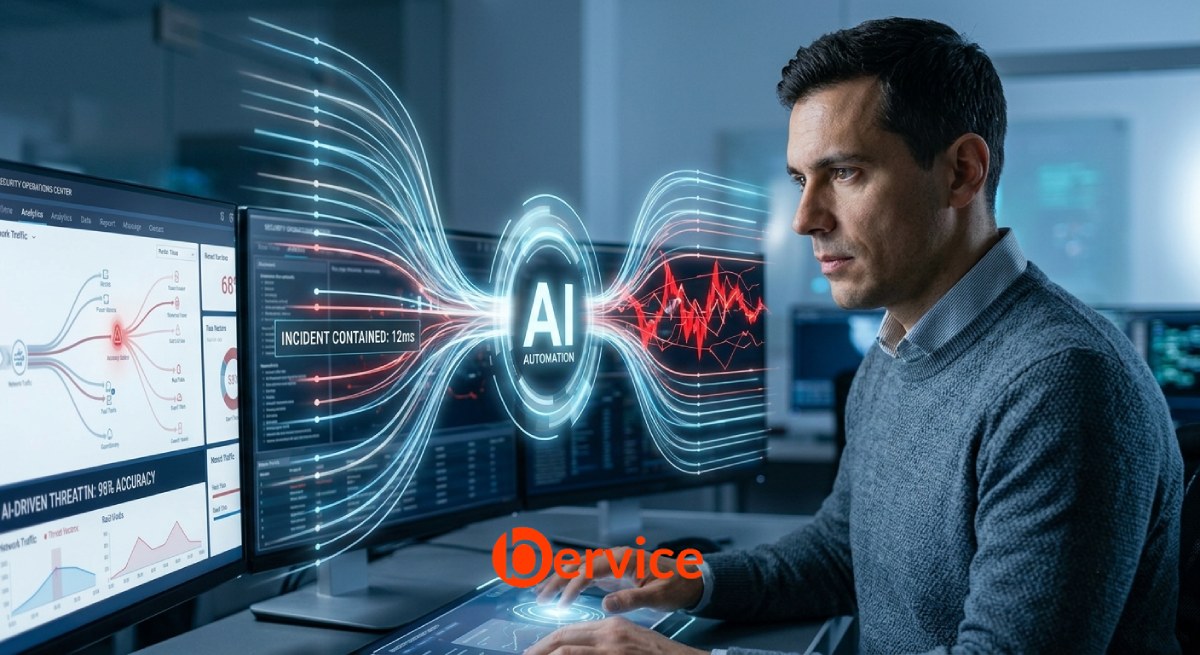
Why Traditional Security Is No Longer Enough: Why AI Must Become Part of Your Security Architecture
Introduction For decades, cybersecurity has been built on a simple assumption: if organizations could build stronger walls, attackers would eventually give up. Firewalls became smarter. Antivirus software became faster. Intrusion Detection Systems became more sophisticated. Security teams invested billions in prevention. Yet despite all these investments, cyberattacks continue to increase in both frequency and…