-
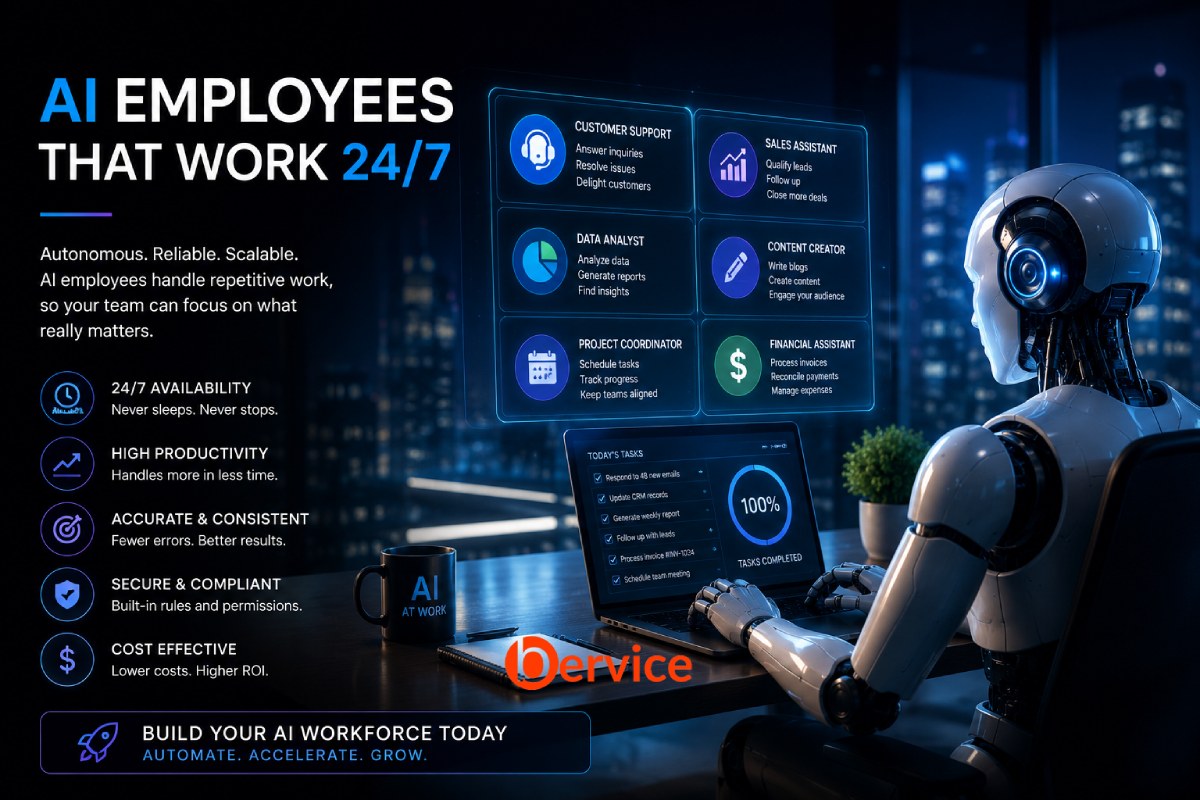
How to Build an AI Employee That Works 24/7?
Artificial Intelligence is no longer just a tool for answering questions or generating content. It is evolving into something much more valuable: a digital employee capable of performing real business tasks around the clock. Unlike traditional software, an AI employee can understand requests, make decisions within defined boundaries, communicate with customers, use business systems,…
-
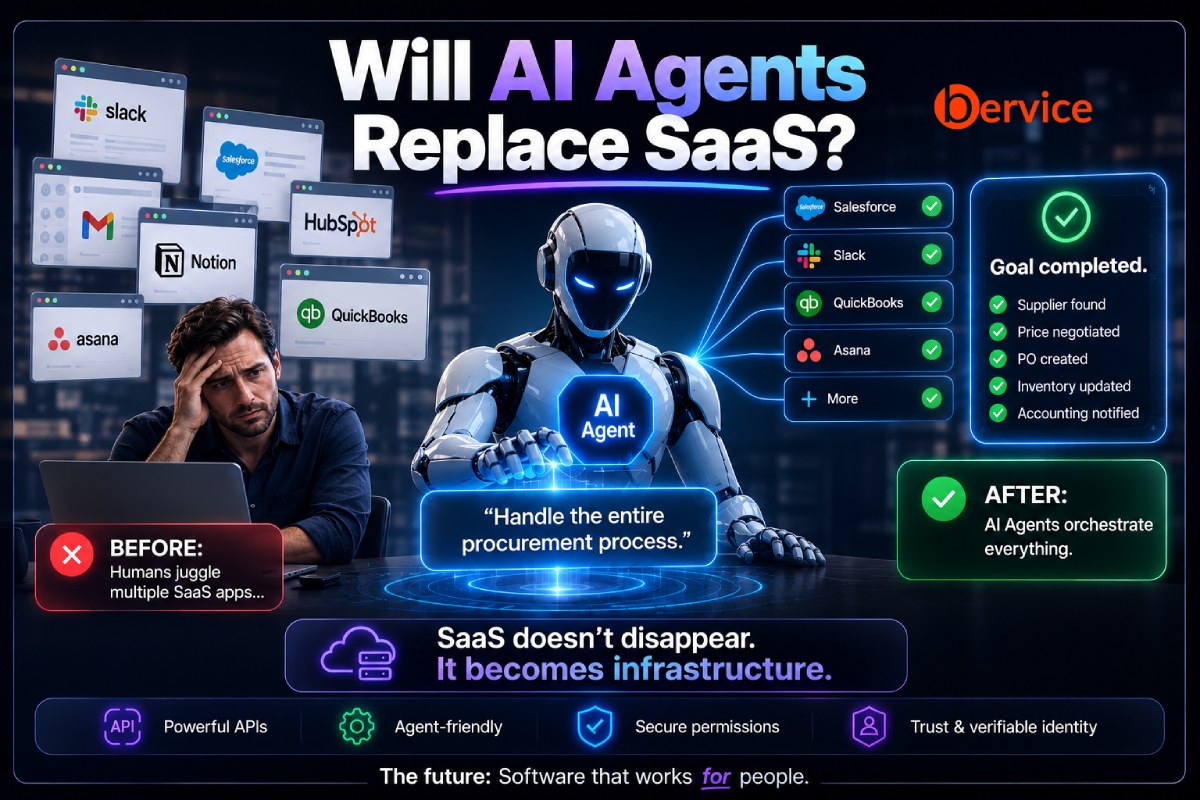
Will AI Agents Replace SaaS? Or Will They Reinvent It?
The Biggest Shift Since Cloud Computing For the past two decades, Software as a Service (SaaS) has dominated the software industry. Every business function became a separate application. CRM.ERP.HR.Accounting.Project Management.Marketing.Customer Support. Whenever a company needed a new capability, it purchased another SaaS subscription. This model created trillion dollar companies and transformed how organizations operate.…
-

Blockchain, Privacy, and Artificial Intelligence: Building Trust Without Sacrificing Anonymity
Introduction Artificial Intelligence is transforming the way people communicate, work, and make decisions. At the same time, blockchain technology is redefining digital trust by enabling transparent, decentralized, and tamper resistant systems. Yet one important challenge remains unresolved: How can AI interact with users while preserving their privacy and anonymity? Today, most AI systems rely…
-
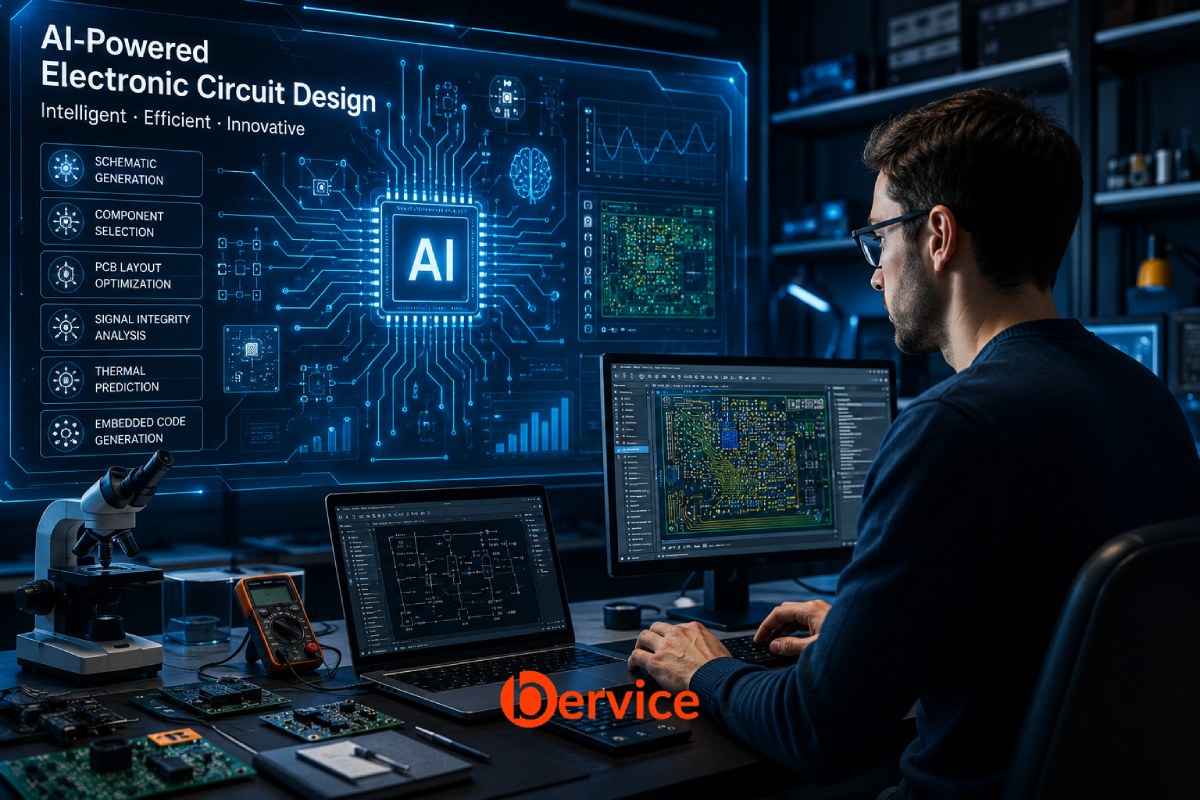
How Artificial Intelligence Is Transforming Electronic Circuit Design
Introduction Artificial Intelligence (AI) is rapidly reshaping the electronics industry. What once required weeks of manual calculations, repeated simulations, and countless hardware prototypes can now be accelerated with intelligent software capable of learning from millions of previous designs. Modern AI tools are no longer limited to automating repetitive tasks. They actively assist engineers by…
-
Artificial Intelligence in Electronics: Benefits, Challenges, and the Industries Leading Adoption
Introduction Artificial Intelligence (AI) has become one of the most transformative technologies in modern electronics. From smartphones and wearable devices to industrial automation and autonomous vehicles, AI is fundamentally changing how electronic systems are designed, manufactured, and operated. Instead of simply executing predefined instructions, modern electronic devices can now analyze data, learn from experience,…