-
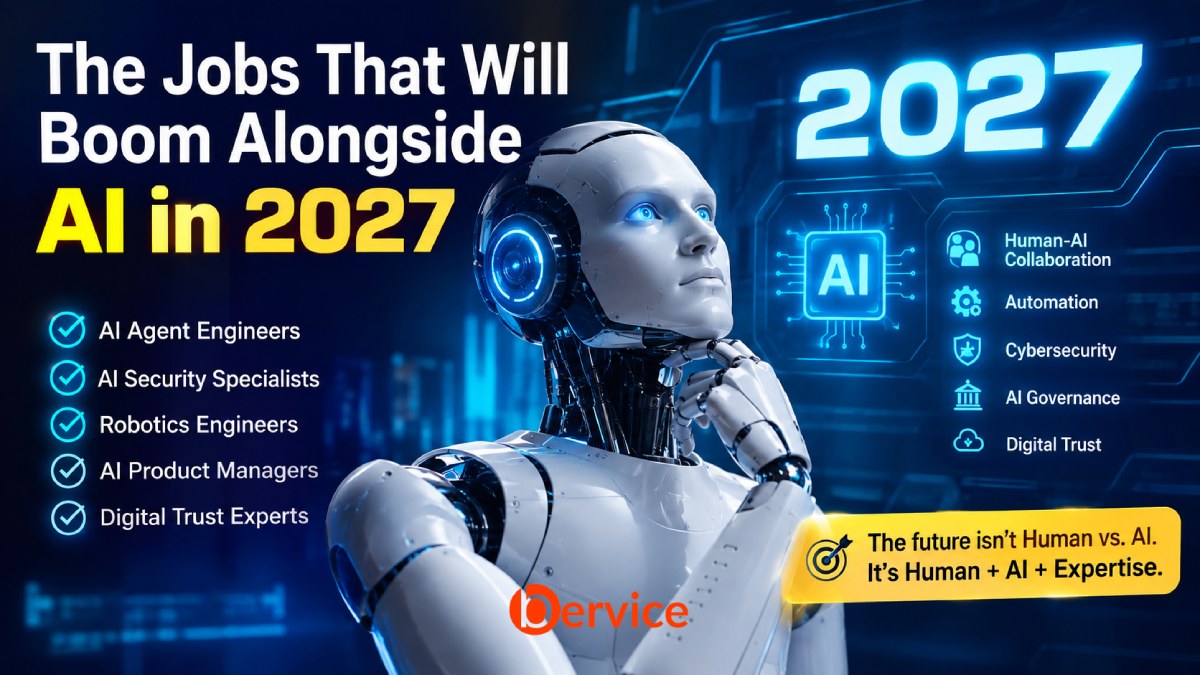
The Jobs That Will Boom Alongside AI in 2027
The Future of Work Is Not Human vs. AI. It Is Human + AI. For years, the conversation around artificial intelligence has been dominated by one question: Which jobs will AI replace? But as we move toward 2027, a more useful question is emerging: Which jobs will become more valuable because AI exists? Artificial…
-
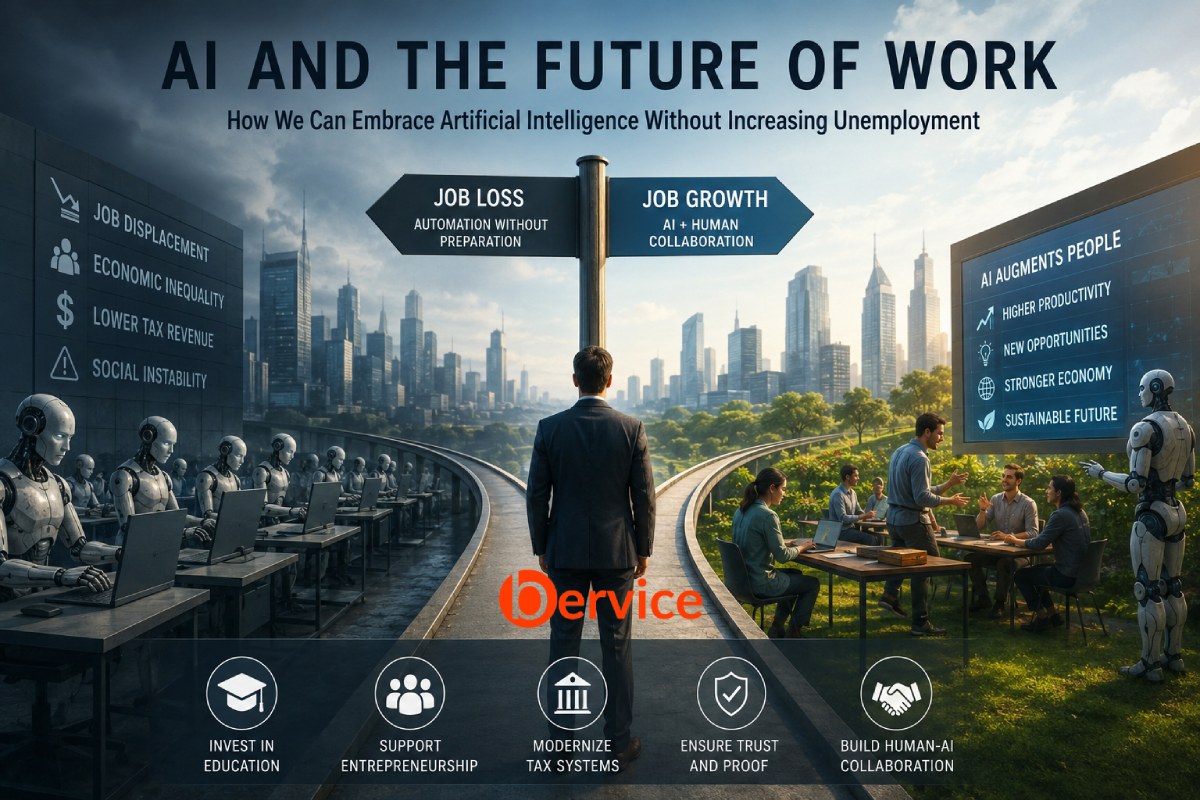
AI, Jobs, and Governments: Can We Build an AI Economy Without Mass Unemployment?
Artificial Intelligence is no longer a future technology. It is rapidly becoming part of everyday business operations, government services, healthcare, education, logistics, software development, manufacturing, and customer support. This transformation promises extraordinary gains in productivity. Yet it also raises one of the biggest economic questions of the century: Can society embrace AI without creating…
-
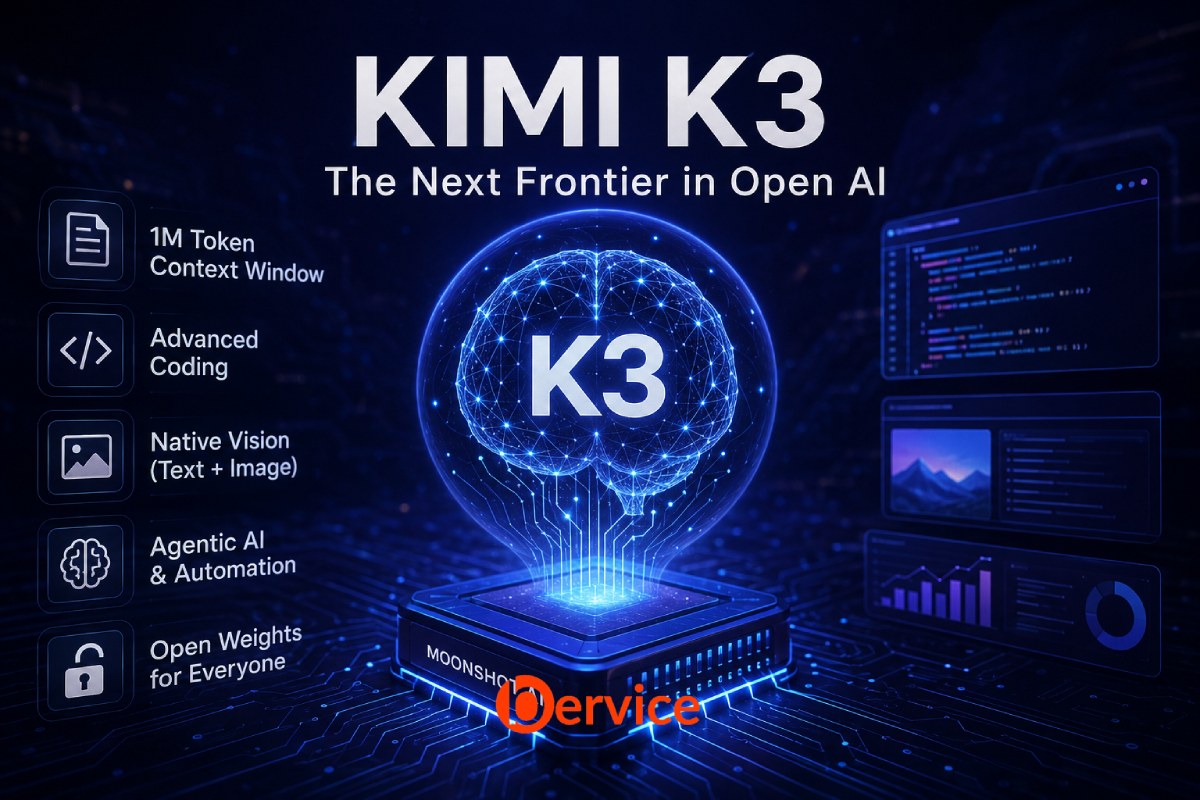
Kimi K3: Moonshot AI’s Open Frontier Model
Features, Advantages, Limitations, and Why It Matters Artificial Intelligence is entering a new era where openness, scalability, and long horizon reasoning are becoming as important as raw benchmark scores. While proprietary models from companies like OpenAI, Anthropic, and Google continue to dominate commercial AI, a new generation of open weight models is rapidly changing…
-
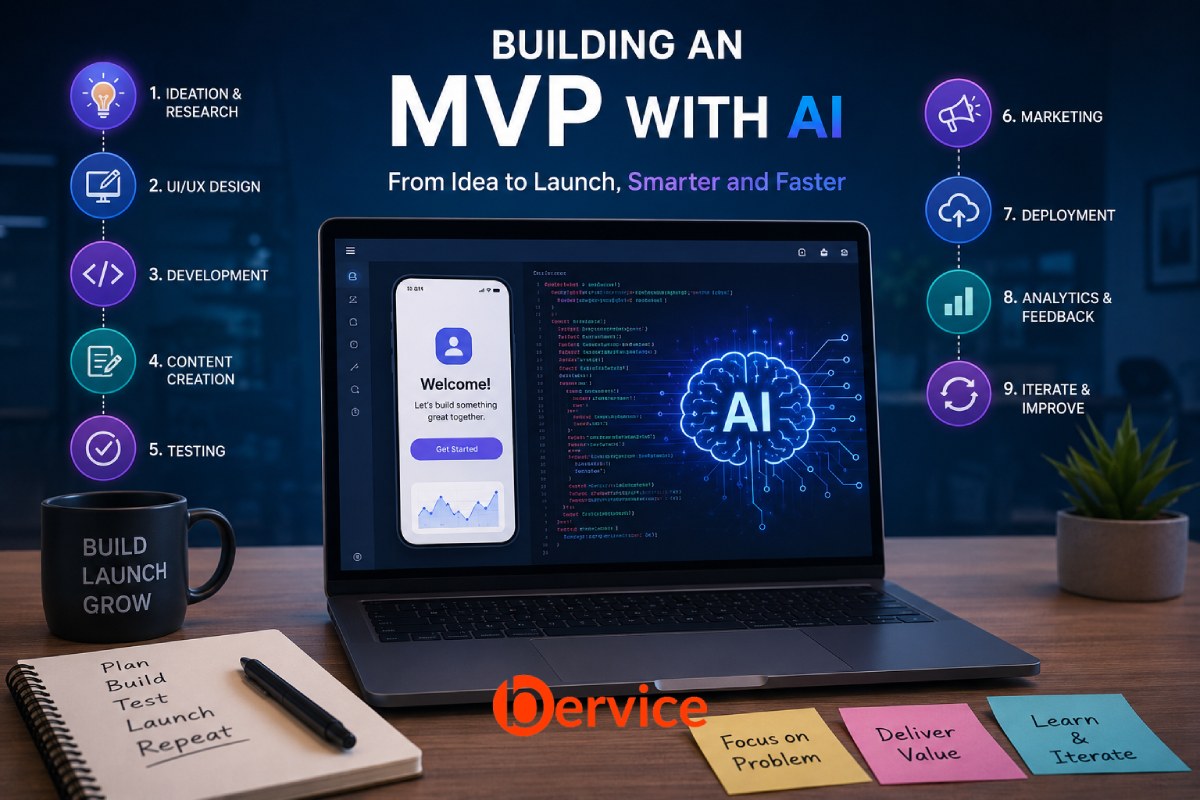
Building an MVP with AI: A Complete Guide from Idea to Launch
In the past, building a Minimum Viable Product (MVP) required a team of designers, frontend developers, backend engineers, marketers, QA specialists, and content creators. Even a simple product could take months to release and require a significant budget before receiving a single piece of customer feedback. That reality is changing. Artificial Intelligence is transforming…
-
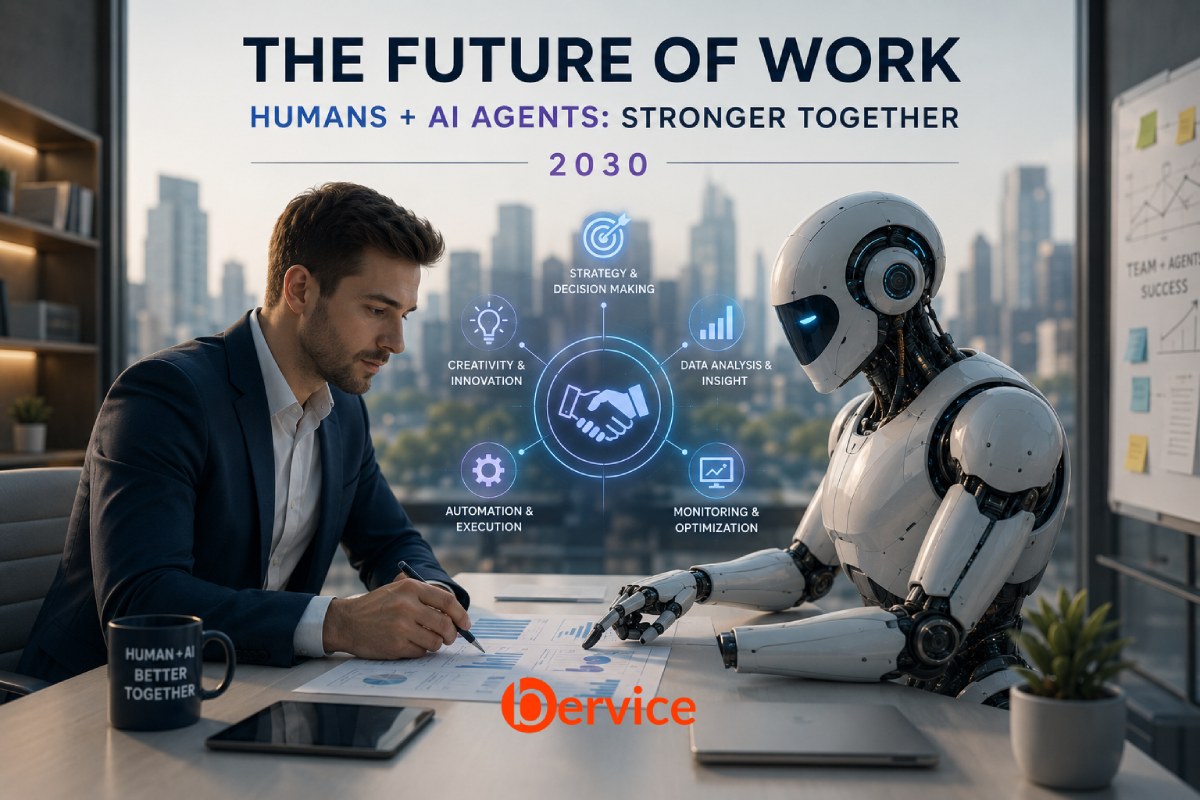
The Future Isn’t Companies Without Employees. It’s Companies Where Humans and AI Agents Work Together
Rethinking the Organization of 2030 For years, headlines have predicted the same future: ” AI will replace workers.” “Companies won’t need employees anymore.” “One founder will build a billion-dollar company with AI.” These predictions generate attention, but they oversimplify what is actually happening. The companies that will dominate the next decade are unlikely to…